Is Destin’s market moving up, down, or just differently for condos and single-family homes? If you are deciding when to buy, sell, or hold a short-term rental, it can feel like there are two markets running on separate clocks. You want clear, local guidance that cuts through noise and seasonality.
In this guide, you’ll learn what drives pricing in Destin and greater Okaloosa County, how condos and single-family homes differ, when seasonality helps or hurts, and which metrics to watch each month. You’ll also get simple timing tips to act with confidence.
Let’s dive in.
Destin market snapshot and drivers
How to read the market now
To get a reliable picture, track a few core metrics side by side:
- Median sale price and price per square foot by property type
- Active inventory and months supply of inventory
- Median days on market
- Share of cash and second-home or investor purchases
- New construction permits and notable project announcements
Use local sources for the most current trends, including the Northwest Florida MLS, Florida Realtors regional reports, the Okaloosa County Property Appraiser, and tourism statistics from the Okaloosa County Tourist Development Council. Pairing housing and visitor data helps explain condo pricing and short-term rental performance.
What drives demand in Destin
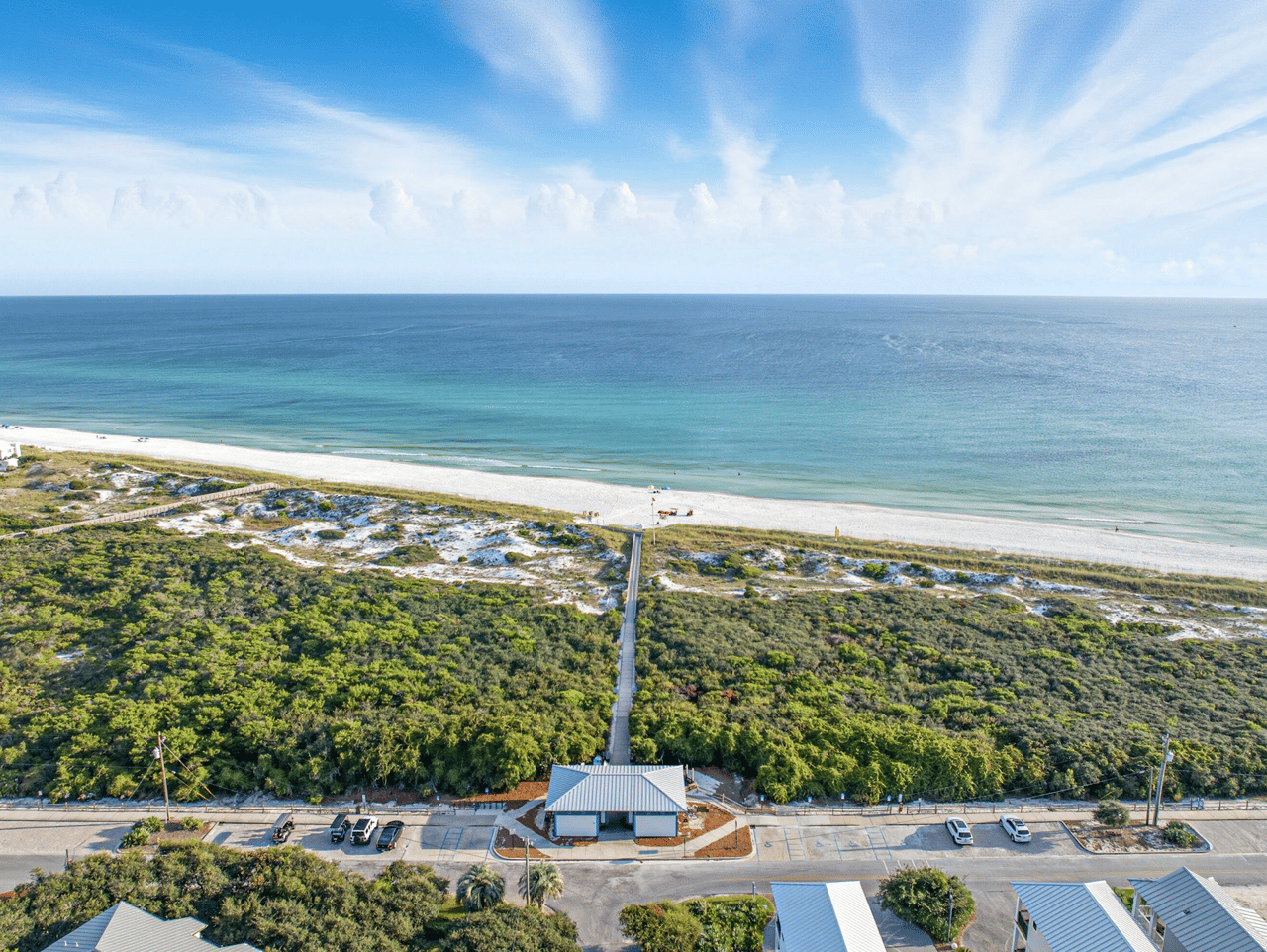
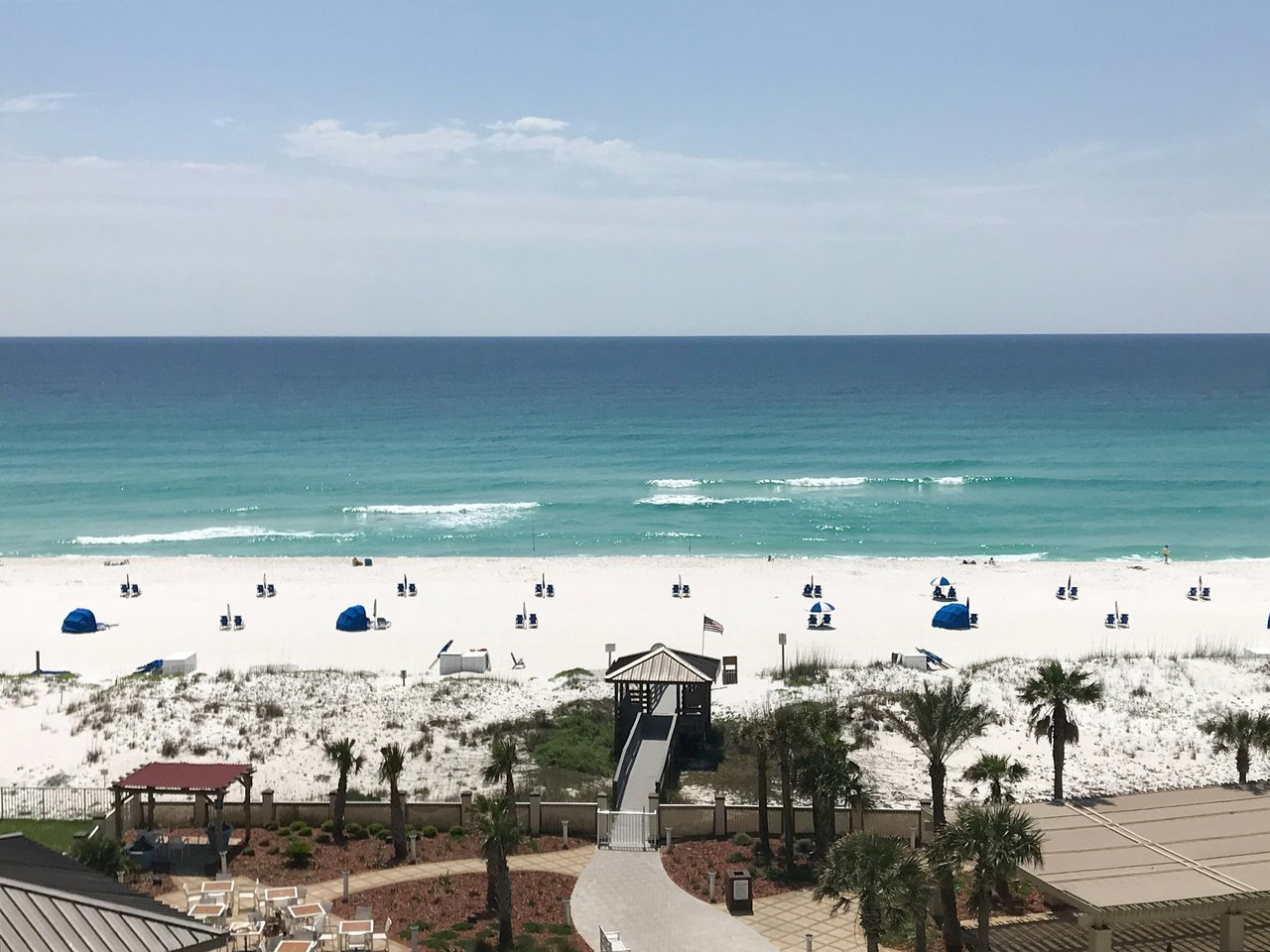
Destin’s Emerald Coast lifestyle, beach access, and resort amenities attract primary residents, second-home buyers, and investors. Since 2020, remote work and Florida’s tax climate have kept out-of-state demand steady. Investor interest tends to concentrate around beachfront and harbor locations where hotel-like amenities and easy access support short-term rentals.
Mortgage rates still set the pace for affordability. When rates rise, budgets compress and activity can cool. When rates stabilize or fall, you often see faster decisions. On the supply side, limited coastline, zoning and permitting complexity, and construction costs constrain new single-family inventory, which can support prices over time.
Destin vs broader Okaloosa County
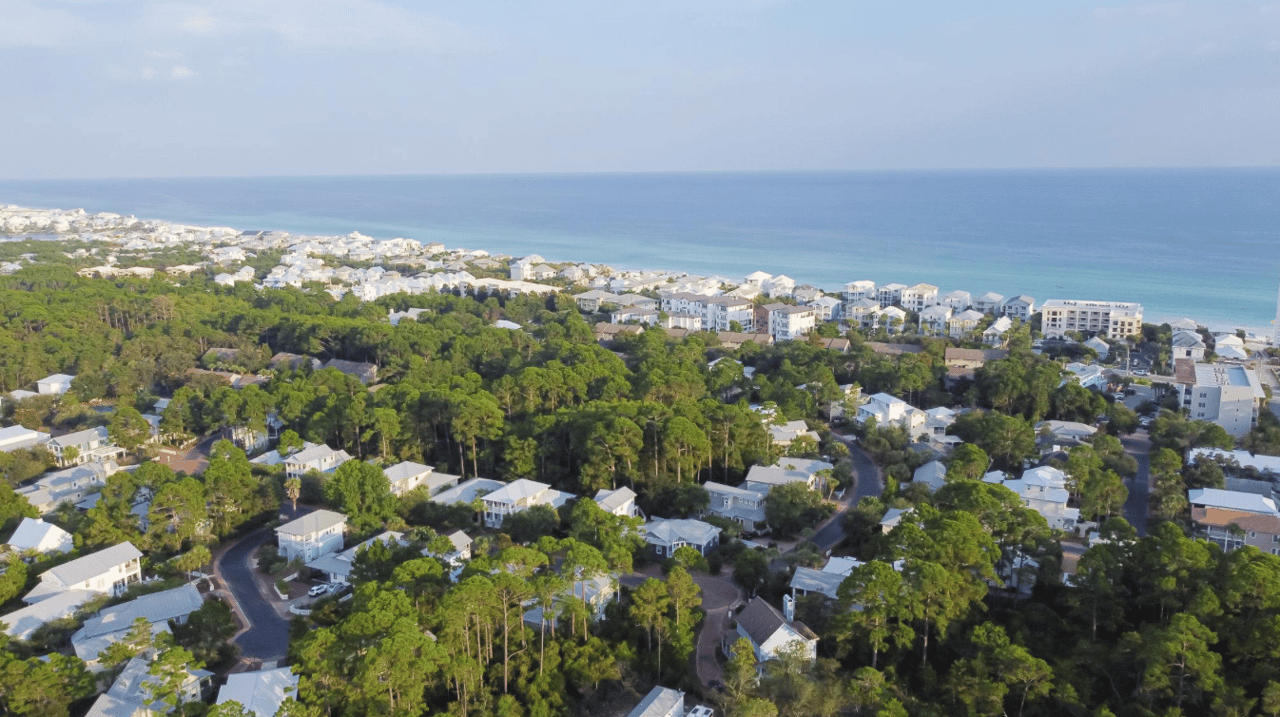
The city of Destin often behaves differently than inland areas such as Niceville and Crestview. Destin has a higher share of vacation properties, so tourism cycles and rental rules can move condo demand more quickly. Inland neighborhoods tend to reflect primary-resident patterns and local job dynamics. When you compare trends, segment data by location and property type before drawing conclusions.
Condos vs single-family explained
Who buys what
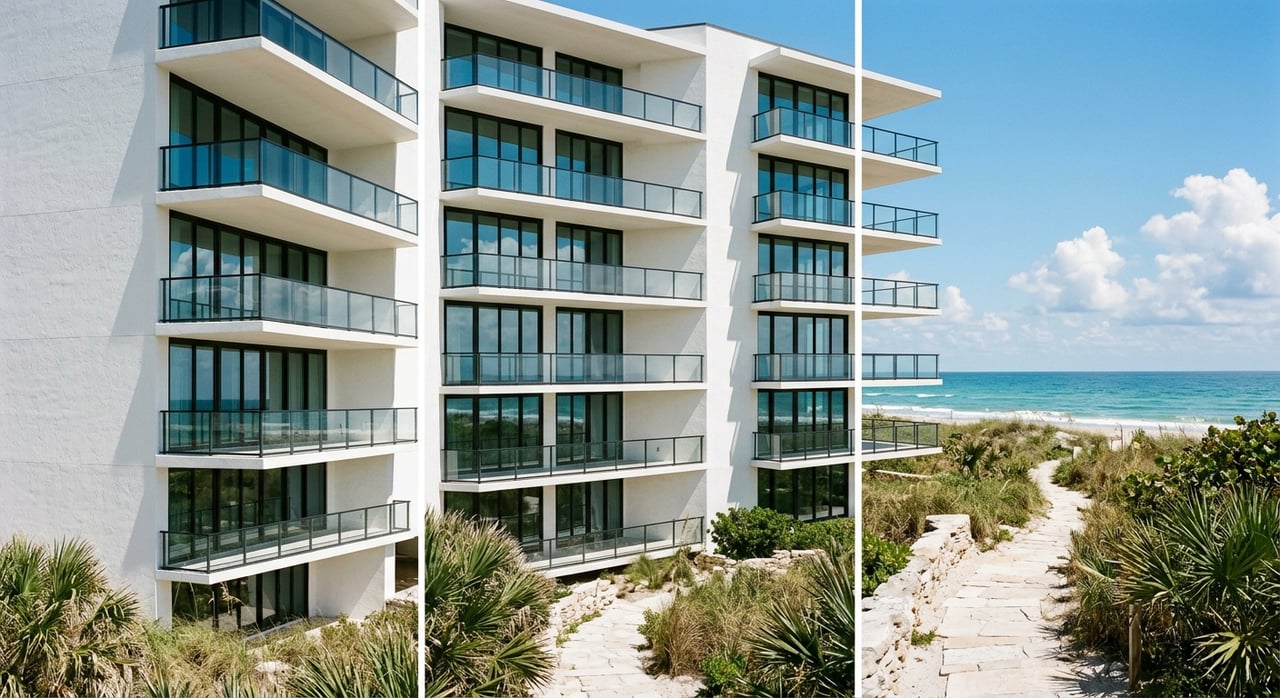
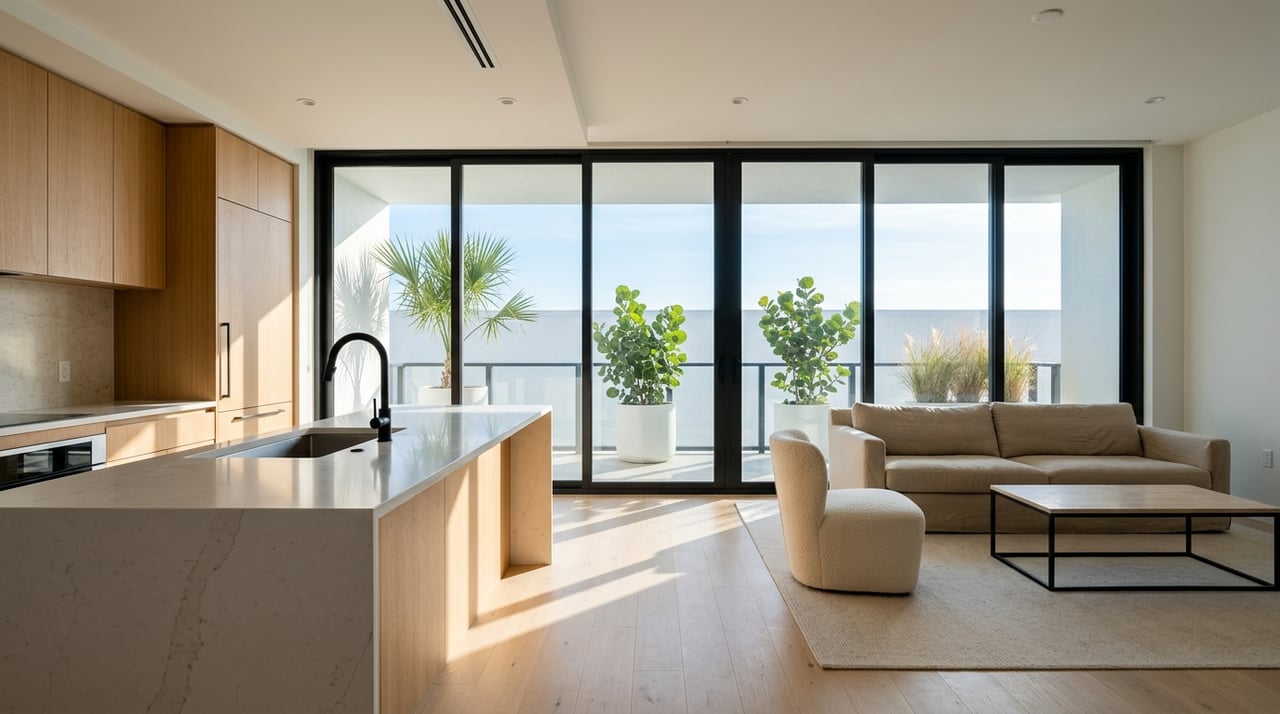
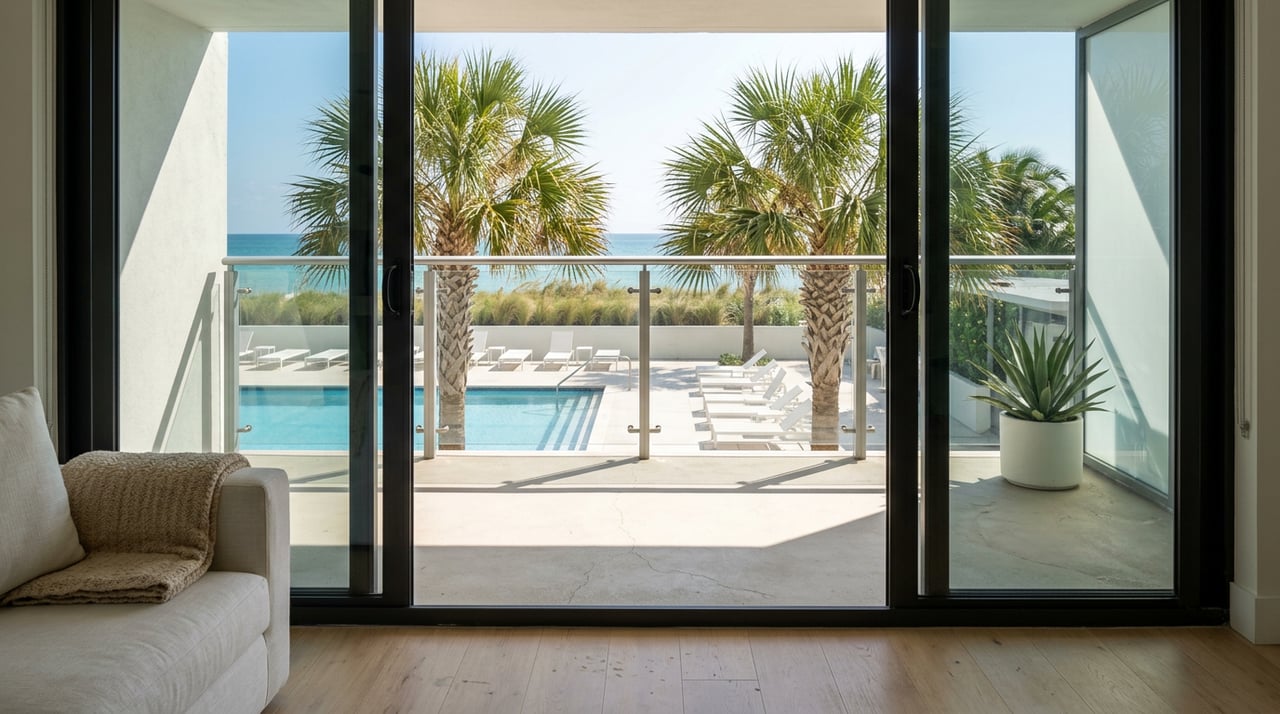
- Condos: You see a mix of investors, second-home buyers, and entry-level purchasers who want turnkey beach access. Walkable and harbor areas draw remote buyers who value amenities and convenience.
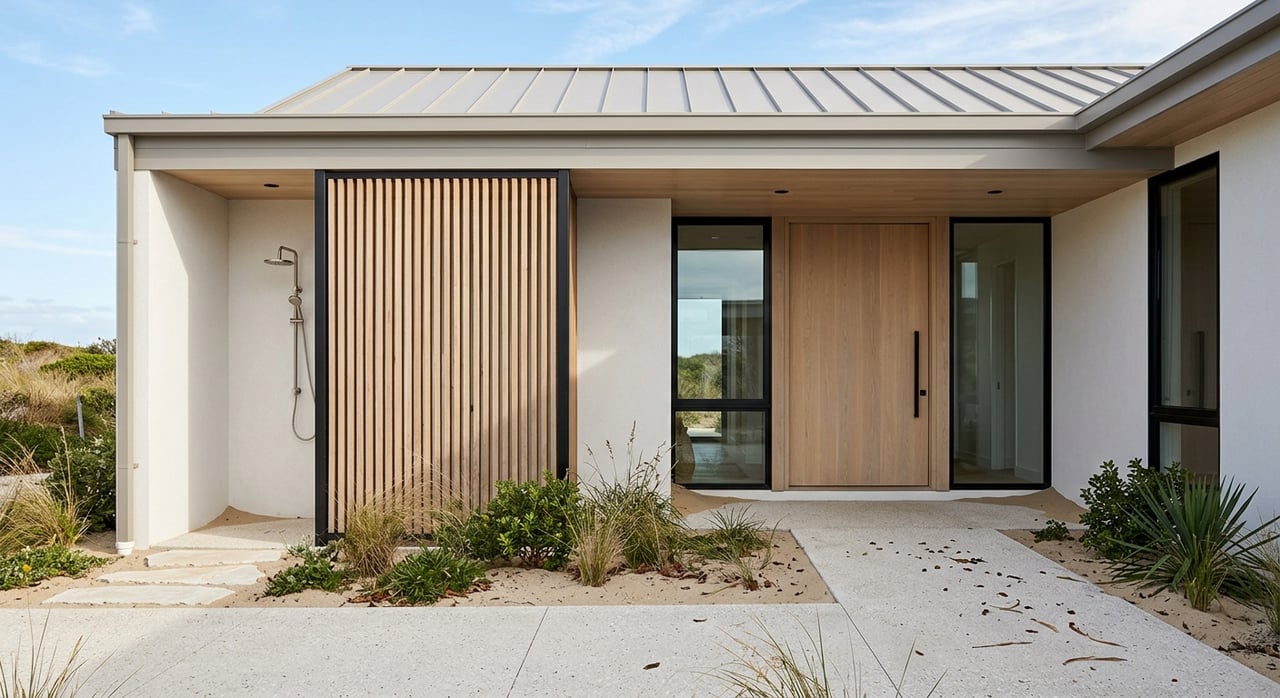
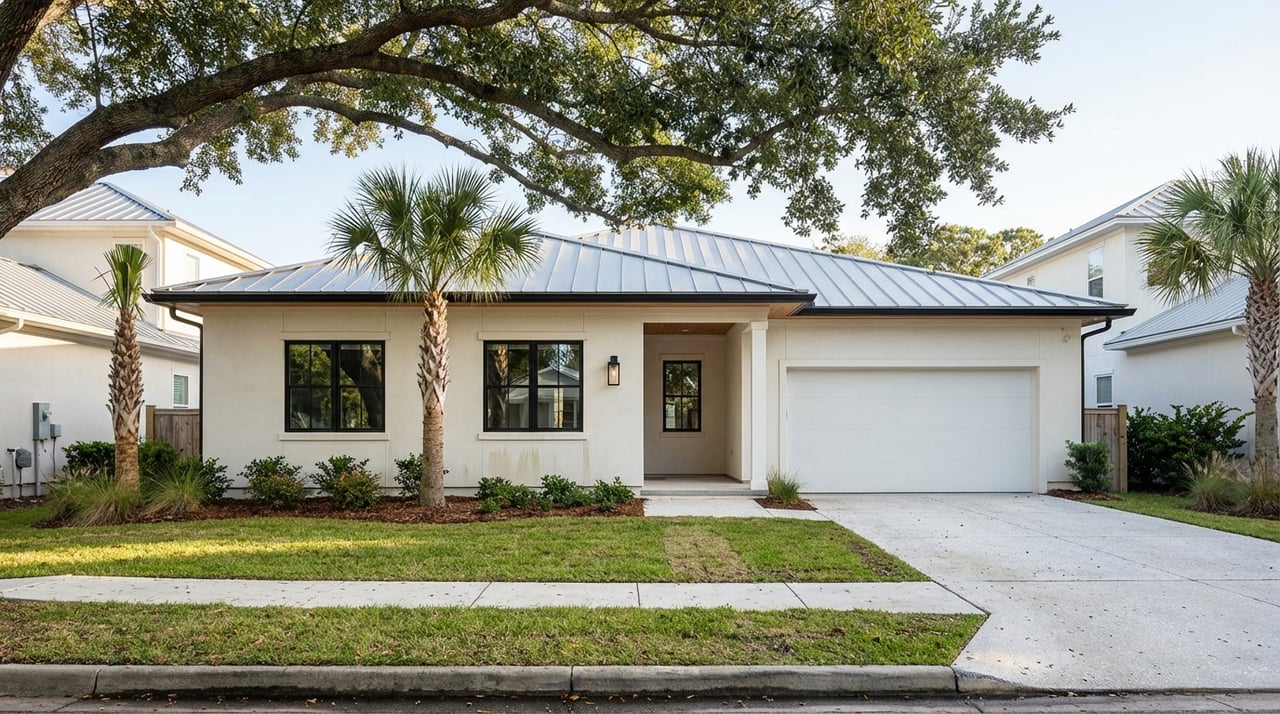
- Single-family homes: Full-time residents and buyers seeking more space or privacy are common, along with higher-end second-home purchasers for waterfront homes.
Pricing patterns
Condo pricing is more sensitive to tourism and investor sentiment. In strong tourism periods, well-located units can outperform. In softer travel cycles, condos may underperform compared with single-family homes. Single-family pricing is tied more to long-term housing needs, local employment, and land value, which can support resilience in slower cycles.
Rental economics
- Condos: Generally simpler to operate for short-term rentals. Peak weeks in spring and summer drive a large share of annual revenue. Net yield depends on occupancy, HOA rules and fees, and management costs.
- Single-family homes: Can deliver higher nightly or weekly rates and attract longer stays. Operating and maintenance costs per unit are higher, and off-season vacancy risk can compress yield.
When modeling returns, use conservative assumptions for shoulder and off-season months and account for fees and management.
Financing and insurance
Condo loans follow project-specific standards, so lender approval can hinge on the building’s financials and compliance. Some projects may have limits for conventional or insured financing. For both condos and single-family homes near the coast, insurability and underwriting often depend on elevation, flood zone, age, and mitigation features. If you are financing, obtain insurance quotes and lender guidance early.
HOAs and total cost
HOA fees in full-service beachfront buildings can be substantial. Always net these fees against projected rental income or your monthly carrying cost. On the sell side, high fees or new restrictions can increase price sensitivity among buyers. Be prepared with updated HOA disclosures and recent financials.
Seasonality and tourism impact
Peak, shoulder, and holiday patterns
- Peak season: March through August is the busiest stretch for visitation and short-term rentals.
- Shoulder seasons: Fall and late winter see lower visitor volumes, and fall can be affected by hurricane season timing.
- Holiday spikes: Spring break, Memorial Day, July 4, and Labor Day often create short windows of higher nightly rates and stronger bookings.
Inventory, showings, and days on market
Sellers often list in late winter or early spring to meet rising buyer traffic. Showings typically climb with peak season as out-of-state buyers combine travel with property tours. Days on market tend to shorten in spring and early summer, then lengthen off-season, especially for higher-priced or vacation-dependent properties.
Buyers shopping off-season may face fewer competing offers and more negotiation leverage. The tradeoff is fewer active listings and, for out-of-state buyers, slower logistics.
Rental seasonality and values
Annual vacation rental income is heavily concentrated in a few peak months. When valuing a condo or rental-ready home, underwrite shoulder and off-season occupancy conservatively and consider a multi-year average for stability. If you plan to list a rental property, decide whether to keep peak weeks open for showings or capture income and accept reduced access.
Local rules, insurance, and risk
Short-term rental rules and taxes
Okaloosa County and the City of Destin collect tourist development taxes and maintain registration or permit processes for short-term rentals. Ordinances and HOA rules can set minimum stays, occupancy limits, and advertising standards. These policies can materially affect investor demand and condo valuations, so confirm current requirements before you buy or list.
Insurance and flood considerations
Florida’s coastal insurance market has seen rising premiums and deductibles for wind and hurricane coverage. Some buyers rely on state-supported options when private markets are limited. Flood insurance is common near the coast and varies by FEMA flood zone, elevation, and mitigation. Map updates can change premiums and requirements. Obtain quotes and review elevation details early in your due diligence.
Storm season and resilience
Hurricane season runs June through November and can influence buyer behavior. Features like elevated construction and impact-rated windows may support value because they can reduce perceived risk. Buyers should consider wind and flood inspections. Sellers can prepare by maintaining systems and documenting mitigation improvements.
Development, infrastructure, and environment
Limited developable beachfront land and permitting complexity constrain supply in prime areas. Infrastructure investments, including road access and airport capacity, help sustain long-term demand. Beach erosion, dune projects, and FEMA map changes are important to watch because they can affect insurance costs and long-term values.
Timing strategies for buyers and sellers
If you plan to sell
- Aim for late winter through early spring to meet the largest buyer pool and shorter days on market.
- Decide whether to block peak rental weeks for showings or keep bookings to maximize income.
- Price with seasonality in mind. Use recent in-season and off-season comps and disclose realistic rental performance.
If you plan to buy
- Shop in fall or winter for less competition and potentially more negotiating room.
- If you are an investor, try to close before a spring or summer window to capture peak weeks. Review the rental calendar and existing bookings.
- Get insurance quotes and lender feedback early, especially for condos and properties in flood zones.
Metrics to track each month
- Median sale price by property type and neighborhood
- Active inventory and months supply
- Median days on market
- Price per square foot trends for condos vs single-family
- Share of condo versus single-family sales and cash purchases
- Short-term rental data: average nightly rate, occupancy by month, and RevPAR
- Insurance premium and availability trends
- New permits and planned developments
Local sources to check include the Northwest Florida MLS, Florida Realtors regional dashboards, the Okaloosa County Property Appraiser, the Okaloosa County Tourist Development Council, the Florida Office of Insurance Regulation, FEMA flood maps, and short-term rental analytics providers.
Simple action plan
- Define your goal: primary home, second home, or investment.
- Segment your search by property type and micro-location. Compare condo buildings and neighborhoods separately.
- Pull recent local data for the metrics above. Note trend direction rather than a single number.
- Model carrying costs with insurance and HOA fees. For rentals, forecast peak and off-peak occupancy.
- Set timing: sellers target February to April, buyers consider fall or winter for leverage.
- Align your plan with a local advisor and insurance broker to confirm feasibility.
When you balance tourism-driven micro-cycles with long-term housing trends, you can choose timing that fits your goals rather than guessing the market.
Ready to make your move with local guidance and a clear plan? Connect with Steve Philpot for data-driven advice and on-the-ground support across Destin and the Emerald Coast.
FAQs
What is the best time to buy in Destin?
- For less competition and more negotiating leverage, many buyers look in fall and winter. If you want to capture peak rental weeks, aim to close before spring.
How do condo and single-family prices behave in Destin?
- Condo prices can move with tourism and investor sentiment, while single-family pricing tends to reflect long-term housing demand and often holds value better in slower cycles.
How does tourism seasonality affect days on market?
- Days on market usually shorten in spring and early summer when buyer traffic is highest and lengthen off-season, especially for vacation-focused properties.
What should investors know about short-term rental income?
- Most annual income concentrates in 3 to 4 peak months. Underwrite shoulder and off-season conservatively and account for HOA fees and management costs.
How do insurance and flood risk impact my budget?
- Premiums and requirements vary by flood zone, elevation, property age, and mitigation features. Get quotes early to confirm monthly affordability and lender requirements.
Should I keep renting my property while it’s listed?
- Renting can preserve income but may limit showings. Many sellers block select peak weeks or accept fewer showings during season based on their timeline and leverage.