Considering a short-term rental in Seacrest Beach but unsure how to gauge true ROI? You are not alone. The 30A coastline is popular and competitive, and the difference between a solid performer and a money pit often comes down to due diligence. In this guide, you will learn the local demand drivers, the property features that matter most, the rules and costs to verify, and a practical underwriting framework you can use to model returns with confidence. Let’s dive in.
Why Seacrest Beach works for STRs
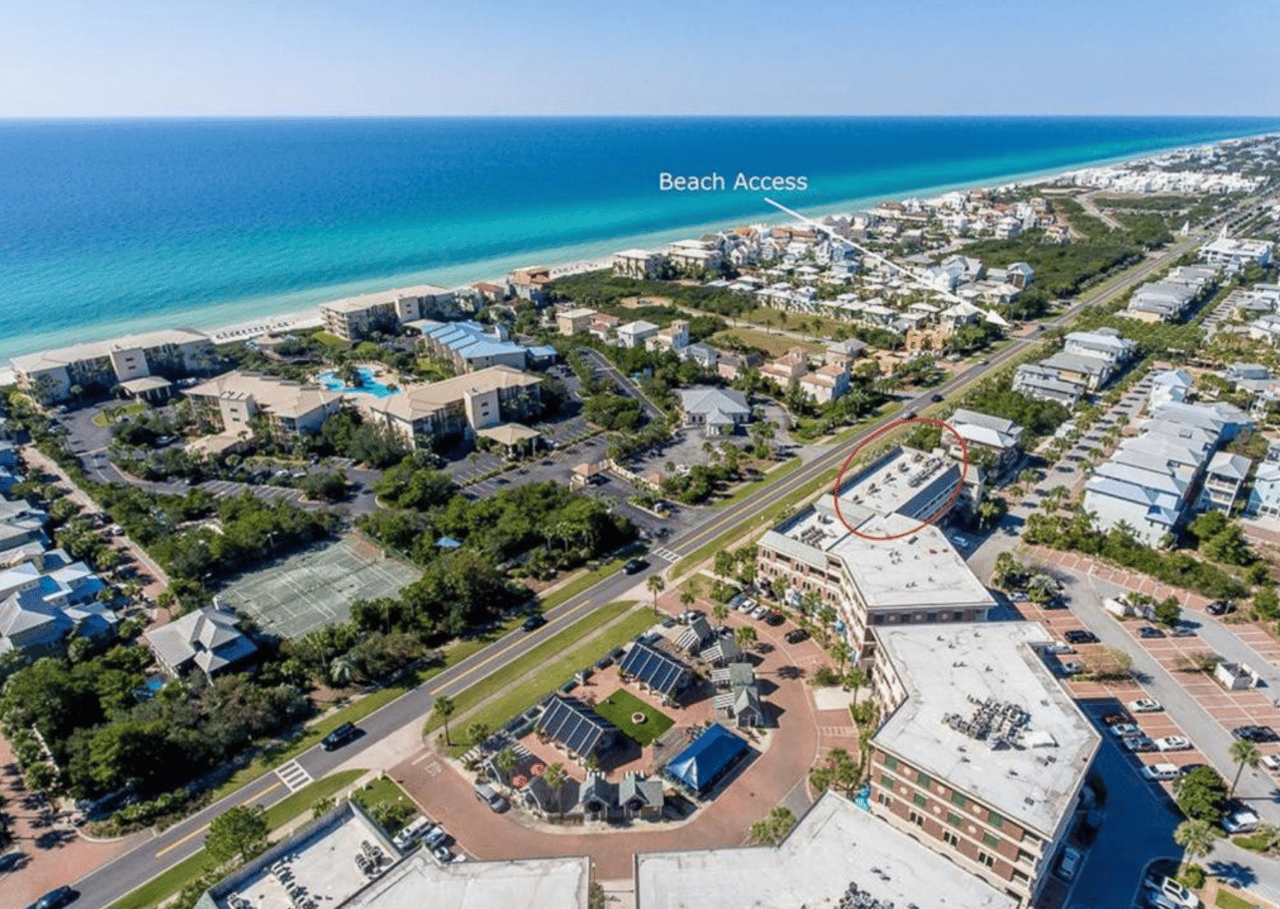
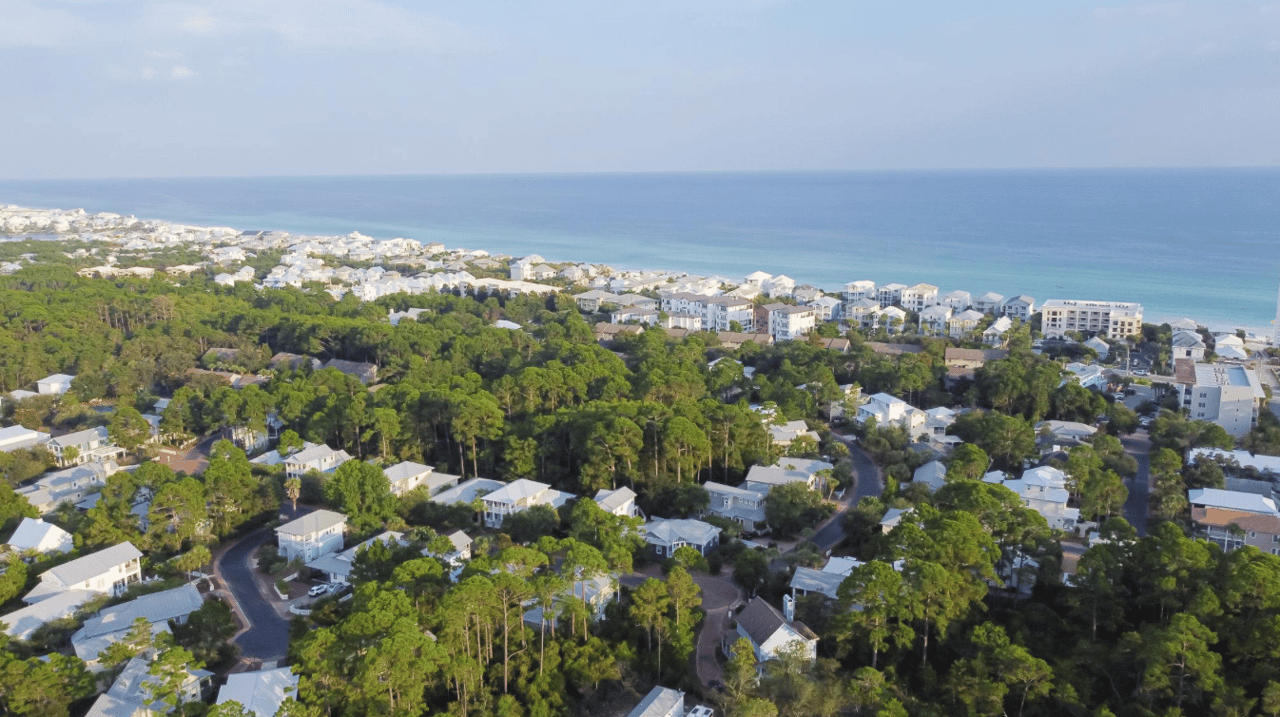
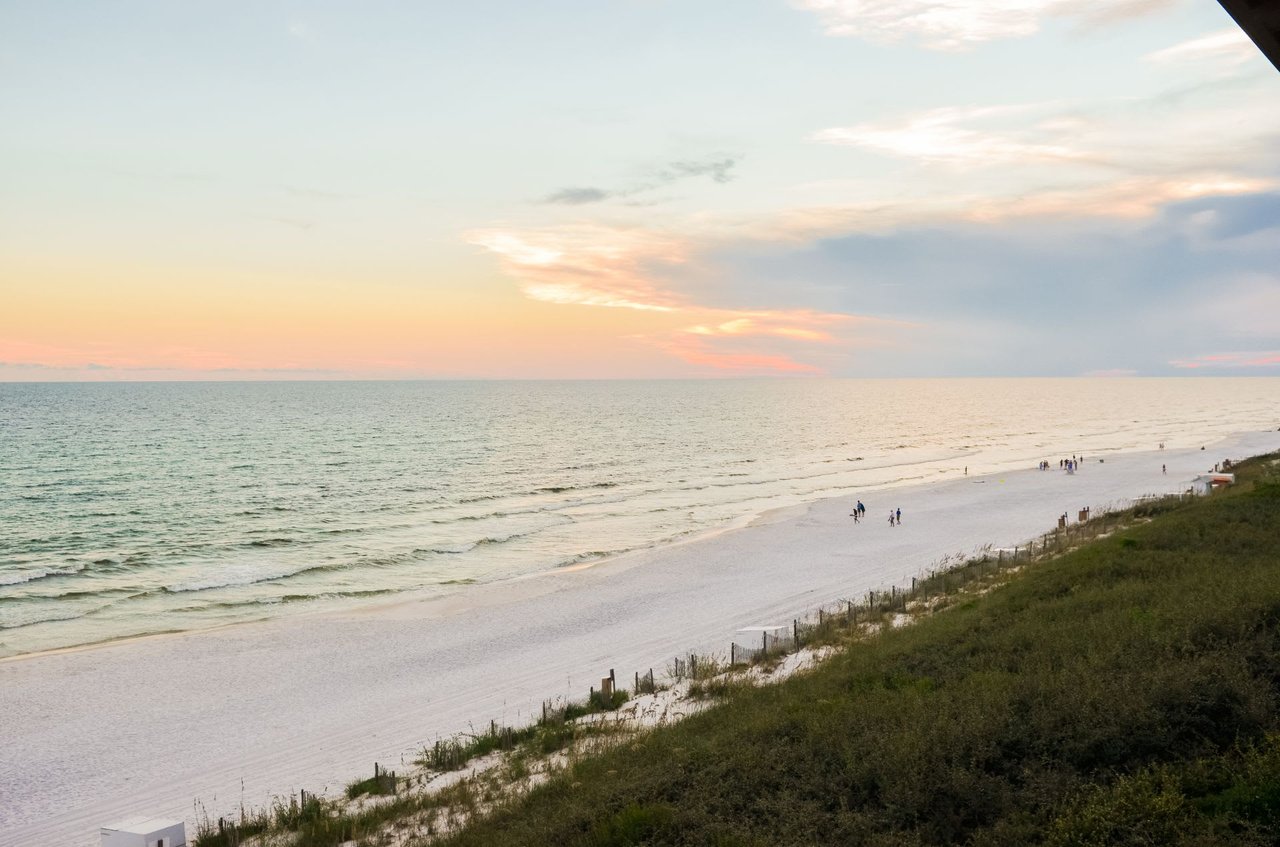
Seacrest Beach sits along Scenic Highway 30A in South Walton County. It shares the same magnetic draw as neighboring Rosemary Beach, WaterColor, and Seaside. People come for the white-sand beaches, outdoor recreation, casual dining, and an easy bike-friendly lifestyle. That steady appeal translates into consistent vacation demand across much of the year.
Visitors are typically families, multi-generational groups, couples, and winter snowbirds. You will see many week-long summer stays with a shift to shorter trips in spring and fall. Properties that are beachfront or very close to beach access, have multiple bedrooms and bathrooms, and offer premium amenities can command higher nightly rates and steadier occupancy.
The main takeaway is simple. In Seacrest Beach, location and livability drive booking decisions. If you pair beach proximity with the right layout and amenities, you put yourself in a stronger position to outperform.
Seasonality you must model
Like most coastal Florida markets, Seacrest Beach peaks from late spring through summer. March and April see strong spring-break demand, while September and October often deliver solid shoulder-season bookings at slightly lower rates. Winter brings reduced occupancy and lower nightly rates, though snowbirds can fill gaps with longer stays.
To forecast accurately, avoid a single annual occupancy number. Model month by month with different rates and occupancy assumptions for peak, shoulder, and off-peak. This keeps your revenue projection grounded in how the market actually books and helps you plan cash flow and pricing strategies across the calendar.
Property features that drive ROI
Beach access and views
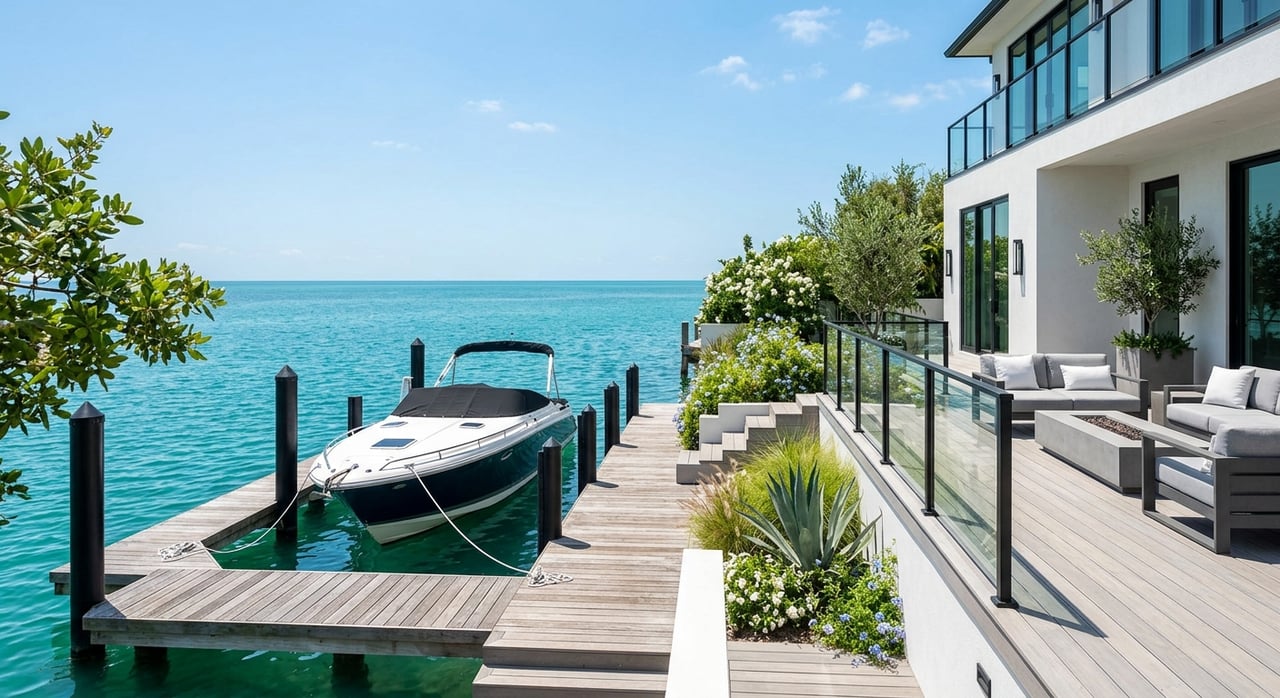
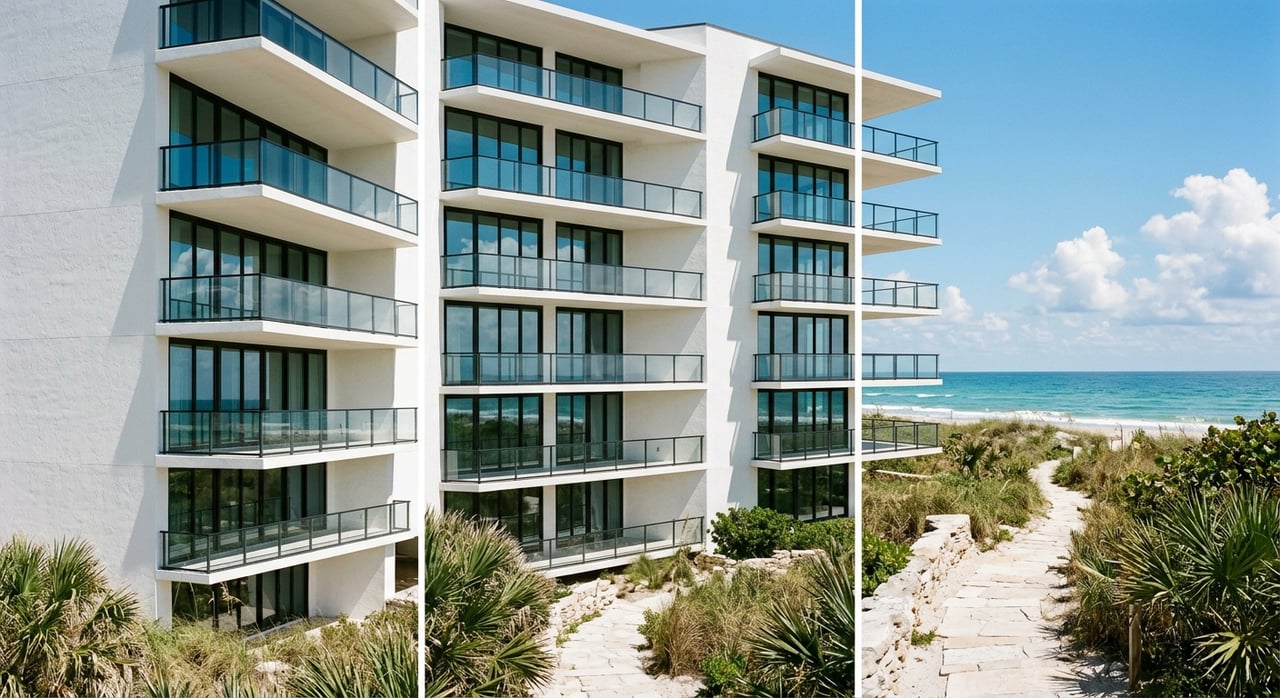
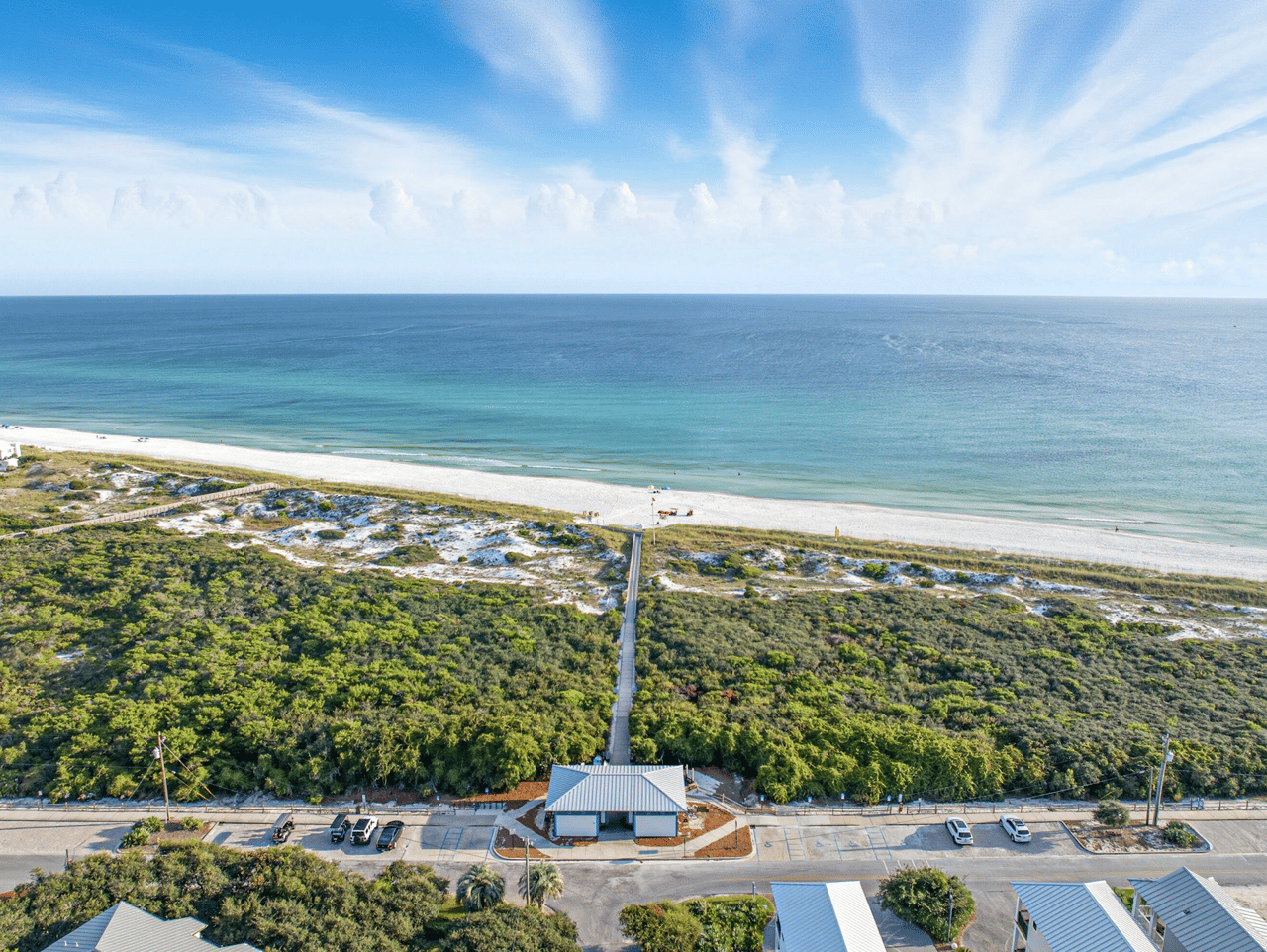
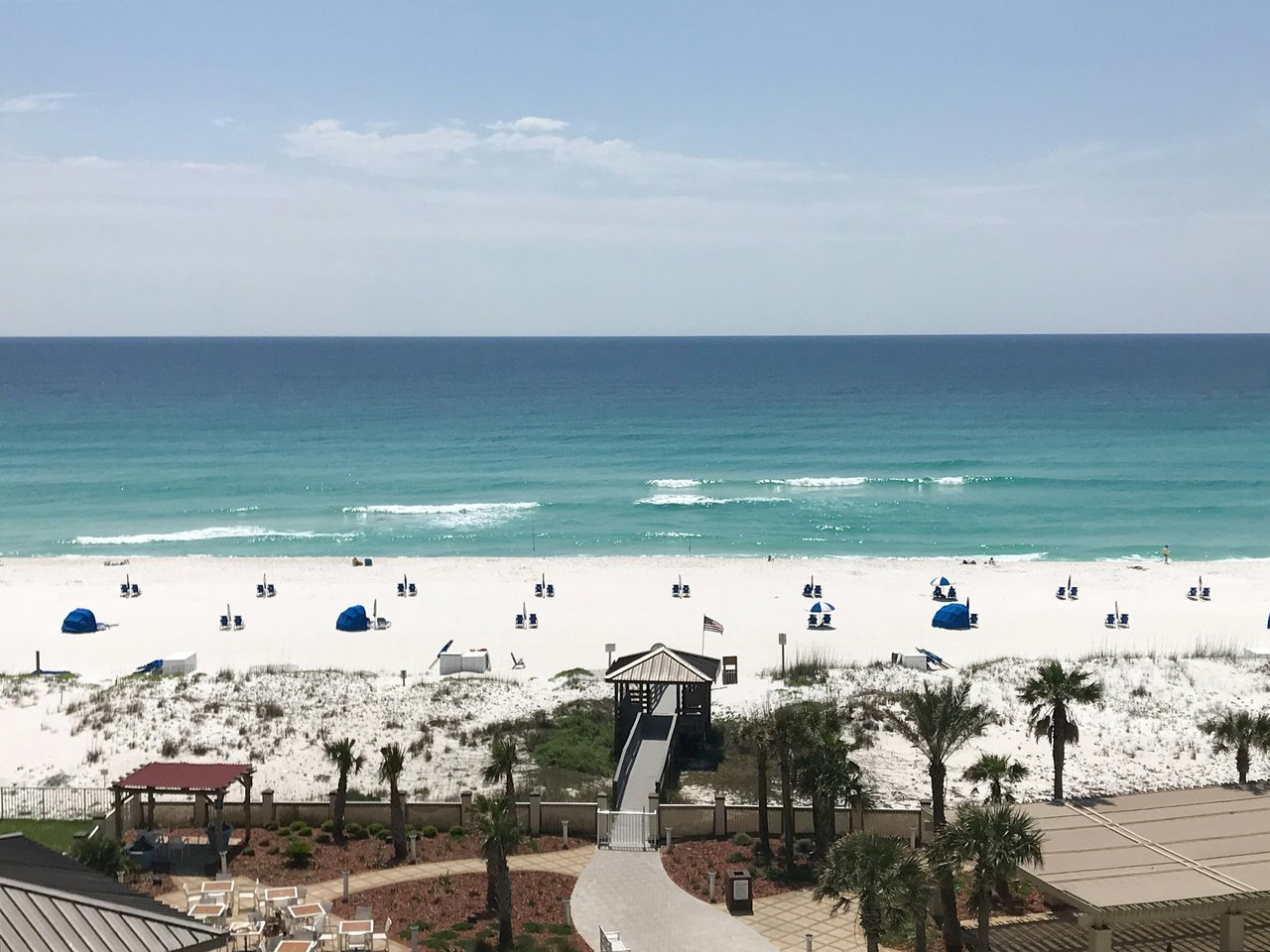
The closer you are to the sand, the more pricing power you tend to have. A general hierarchy applies: direct gulf-front, gulf view or a short walk to private access, a short walk to public access, then inland. Properties with private or gated beach access often earn a meaningful premium because the experience is easier and more exclusive for guests.
Bedrooms, baths, and parking
Multi-bedroom homes and condos attract families and groups, which can produce higher total revenue per booking. Extra full bathrooms, en-suite layouts, and functional common areas improve guest satisfaction and reviews. Do not overlook parking. Clear, adequate parking can make or break a booking during busy weeks.
Amenities guests book for
High-impact amenities in Seacrest Beach include a private or community pool, convenient beach access, elevator access in multi-story buildings, reliable parking, outdoor spaces, and in-unit laundry. High-speed Wi‑Fi is expected. Pet-friendly policies can boost demand, but you should confirm any HOA limits and factor cleaning and insurance implications into your model.
Condition and presentation
Fresh renovations, quality furnishings, professional photography, and a clear amenity list all contribute to higher nightly rates and stronger occupancy. Think about your turnover plan as well. Cleaning logistics, linen storage, and crew parking all affect operating cost and guest readiness.
Stand out from the competition
Professional neighboring listings set the bar. You can differentiate with responsive guest communication, smart dynamic pricing, and consistent quality control. The more you reduce friction for guests, the better your reviews and repeat demand.
Rules, taxes, and insurance to confirm
Seacrest Beach sits in Walton County, and short-term rental rules can change. Before you buy, verify the current vacation rental registration or business tax receipt requirements, and confirm the property’s zoning allows short-term rentals. Some neighborhoods or condo associations restrict or prohibit rentals.
HOA and condo rules often include minimum stay requirements, management approval steps, parking limits, trash protocols, and pet restrictions. Request the association’s Rental Policy letter and any amendments before you make an offer. Noncompliance can halt rentals and create legal exposure.
Short-term rentals are typically subject to state sales tax and local tourist development taxes. Platform collection rules vary by market. Confirm the combined tax rate, who collects which tax, and how often you must file. Build those taxes into your revenue model.
Coastal properties also carry specific insurance needs. Flood risk is common, and many lenders require flood insurance for properties in Special Flood Hazard Areas. Wind and hurricane coverage often comes with higher premiums and separate deductibles. Get property-specific quotes for hazard, wind, flood, and STR liability coverage, and run sensitivity tests because premiums can vary widely based on elevation, construction, and location.
A practical underwriting framework
Data to gather
- Comparable STR performance for similar Seacrest Beach units and locations
- Seasonal calendar with peak weeks, holidays, and local events
- HOA rules, rental caps, and any special assessments
- All recurring utilities and services, plus periodic capital expenses
- Insurance quotes for hazard, wind, flood, and liability
- Property taxes and licensing or registration fees
- Financing terms and reserve requirements
Revenue model
- Set Average Daily Rate by season. Use separate ADRs for peak, shoulder, and off-peak months.
- Model monthly occupancy with realistic seasonality.
- Calculate gross rental revenue from nights available times occupancy times ADR.
- Decide how to treat cleaning fees. If you keep part of the fee, model the net impact. If the fee passes to guests and to your cleaner, exclude it from revenue.
- Account for platform commissions or a professional manager’s booking channels.
Expense model
- Property management. Full-service fees often sit in a wide range, so plug in the rate that matches your plan.
- Cleaning and turnover costs based on unit size and expected stays per month.
- Utilities such as electricity, water, internet, cable, and trash.
- HOA or condo fees and what they cover.
- Insurance, property taxes, advertising, licensing, and any local registration fees.
- Reserves for replacement and maintenance. A percentage of gross revenue or a fixed annual budget can work, but be consistent.
Key metrics
- RevPAR equals ADR times occupancy.
- Gross rental income equals ADR times occupancy times available nights.
- Net Operating Income equals gross rental income minus operating expenses.
- Cash-on-Cash Return equals pre-tax annual cash flow divided by equity invested.
- Cap rate equals NOI divided by purchase price.
- Break-even occupancy and Debt Service Coverage Ratio help you test downside scenarios.
Sensitivity and stress testing
Model at least three cases: conservative with lower ADR and occupancy, a base case that aligns with local comps, and an optimistic case that assumes strong pricing or lower costs. Run separate tests on ADR, occupancy, management fees, insurance, and HOA costs. Add a hurricane scenario with repair costs and downtime to understand your liquidity needs.
Financing notes
Lenders treat STRs differently from primary homes. Some require larger down payments, DSCR tests, or conservative income recognition. If a lender needs rental history, be ready with comparable performance data from similar local units. Confirm terms in writing before you lock in a purchase timeline.
Operations that protect ROI
Your management choice affects both guest experience and net income. Self-management can reduce fees but requires time and systems. A local co-host or a full-service manager can improve responsiveness, scale maintenance, and handle turnovers more smoothly.
Pricing should be dynamic, with rate adjustments for peak weeks, shoulder periods, and gaps. Calendar management matters. Consider a channel mix that balances platform reach with direct bookings and repeat guests.
Document your house rules, occupancy limits, and parking instructions. Smart locks, automated messages, and clear check-in and trash guidance reduce friction and neighborhood complaints. Good operations lower risk and keep reviews strong.
Sample checklist for your next tour
- Confirm the exact distance and access route to the nearest beach entry.
- Request the HOA Rental Policy letter and any amendments in writing.
- Verify parking spaces, guest rules, and trash procedures.
- Identify the flood zone and gather hazard, wind, and flood insurance quotes.
- Note the number of bedrooms and full baths and whether layouts fit group stays.
- Inspect condition, recent updates, and storage for linens and owner items.
- List all amenities and what might be added easily for higher demand.
- Ask for actual or comparable rental performance data from similar units.
- Review utilities, HOA fees, and any pending assessments.
- Map seasonality and build a month-by-month pro forma before negotiating.
Bottom line for Seacrest ROI
Seacrest Beach offers a compelling mix of steady demand and lifestyle appeal. Your top revenue levers are beach proximity, multi-bedroom layouts, premium amenities, and professional presentation. The biggest risks are HOA or zoning restrictions, insurance cost variability, and a seasonal booking curve that requires careful cash flow planning.
If you model revenue and expenses by month, confirm rules and insurance in writing, and test downside scenarios, you will make clearer decisions and negotiate with confidence. When you want local guidance on communities, comps, and investor-friendly listings along 30A, connect with a trusted local advisor.
Ready to explore Seacrest Beach opportunities or pressure-test your pro forma? Reach out to Steve Philpot for local comps, HOA intel, and an investor-focused acquisition plan.
FAQs
What makes Seacrest Beach attractive for STR ROI?
- Consistent vacation demand, beach access, and family-friendly layouts that support higher rates and occupancy when paired with the right amenities.
How should I model seasonality for Seacrest Beach?
- Use monthly ADR and occupancy assumptions for peak, shoulder, and off-peak periods instead of a single annual average.
Which amenities deliver the best ROI in Seacrest Beach?
- Beach access, pool access, multiple bedrooms and baths, dedicated parking, outdoor spaces, and high-speed Wi‑Fi typically have the highest impact.
What are the biggest cost risks for Seacrest Beach STRs?
- Insurance for wind and flood, HOA fees and assessments, management fees, and potential downtime during storms or repairs.
Do I need a permit or registration to rent short term in Walton County?
- You should verify current vacation rental registration, licensing, and tax requirements and ensure zoning and HOA rules permit short-term rentals.
Is flood insurance required for Seacrest Beach rentals?
- Lenders often require flood insurance for properties in Special Flood Hazard Areas, and coastal locations should be evaluated with property-specific quotes.