Thinking about buying your first home in Freeport? You’re not alone. Many buyers look inland from the beaches to find more space, newer homes, and friendlier prices. The key is understanding how Freeport works as a coastal‑adjacent market so you can budget well, avoid surprises, and feel confident in your choice. In this guide, you’ll learn what to expect with commutes, HOAs, inspections, insurance, and local processes so your search moves faster and smarter. Let’s dive in.
Why Freeport works for first-time buyers
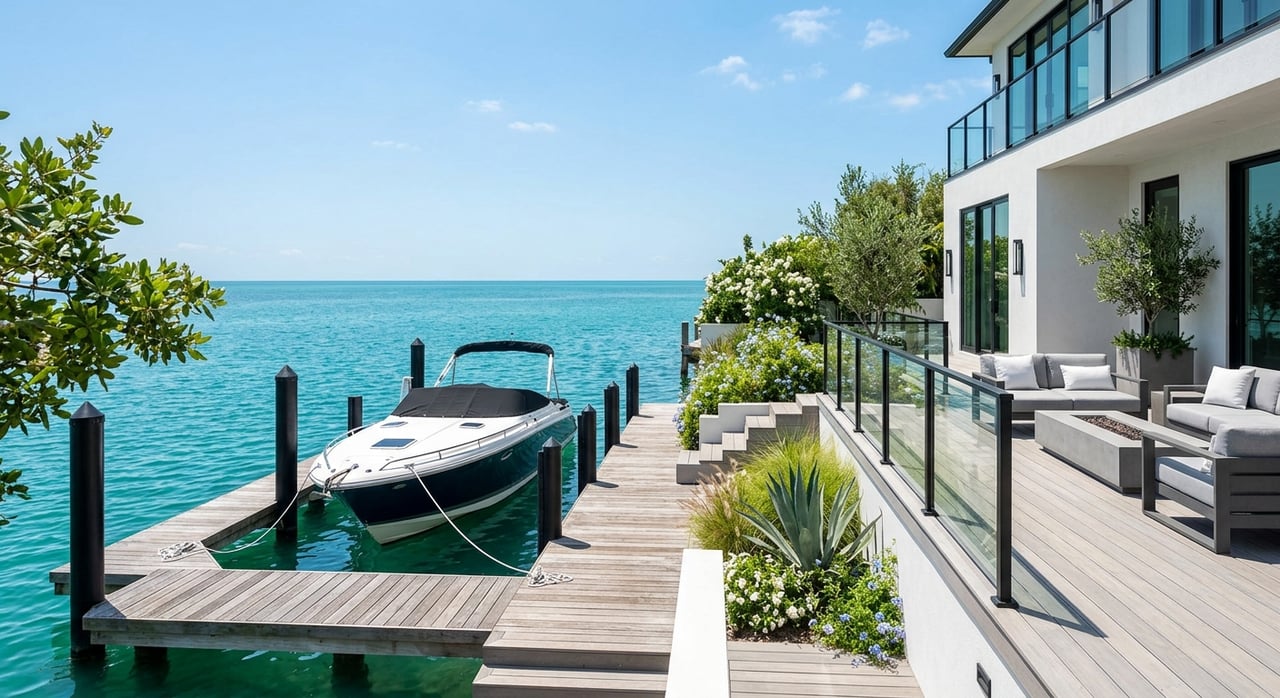
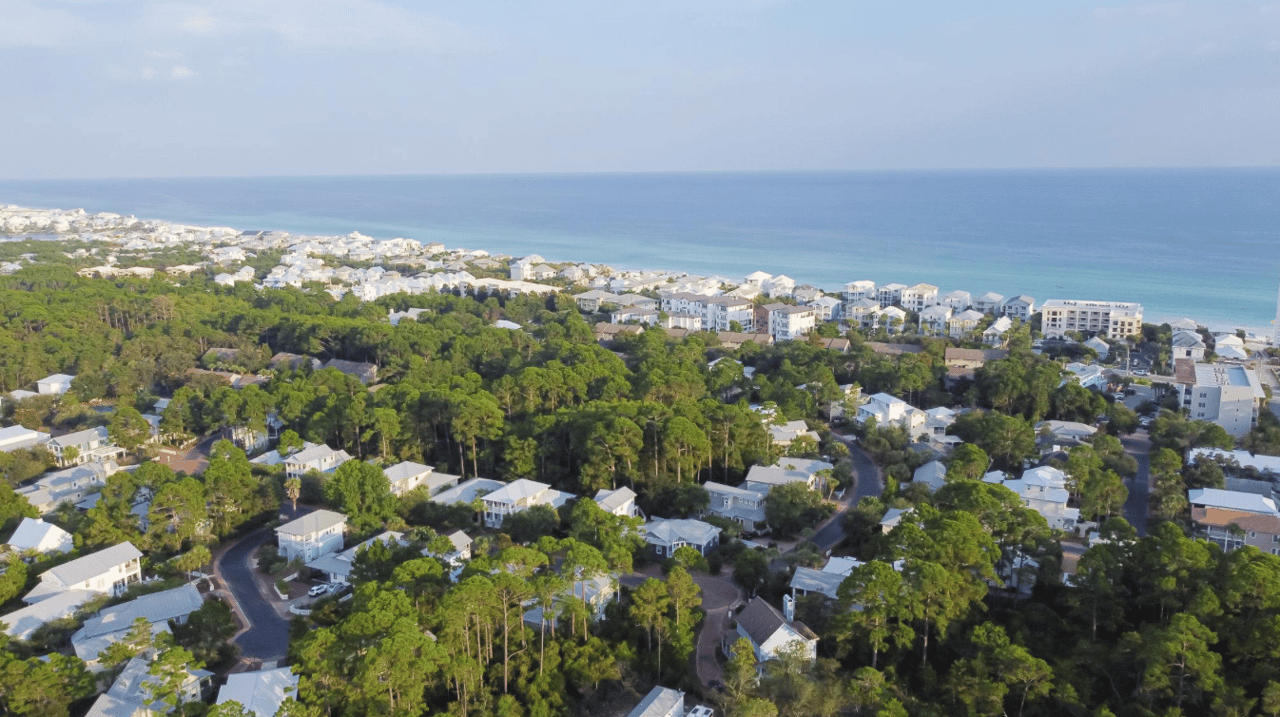
Freeport sits inland from Walton County’s coastal towns, which often means lower purchase prices and larger lots compared to 30A, Miramar Beach, and Destin. You trade shorter beach access for better value and a quieter setting. Many first-time buyers here include relocating families, trade-area employees, and remote workers who want more home for the money.
Affordability is only part of the picture. You should plan for insurance, utility setup, and potential HOA dues when you compare Freeport to the coast. Taking a whole-cost view helps you set a realistic budget and stay comfortable with your monthly payment.
Commutes and daily life
Expect drives to the beach, shopping, and coastal workplaces to be measured in tens of minutes rather than minutes. Seasonal traffic in spring and summer can add time on US‑98 and local beach corridors. The best move is to test your exact route using a maps app at your normal commute time.
If you work from home, confirm internet service and speeds in the neighborhood you’re considering. Availability can vary by street. A quick check with providers before you write an offer can save you headaches later.
New construction and communities
What you’ll see in Freeport
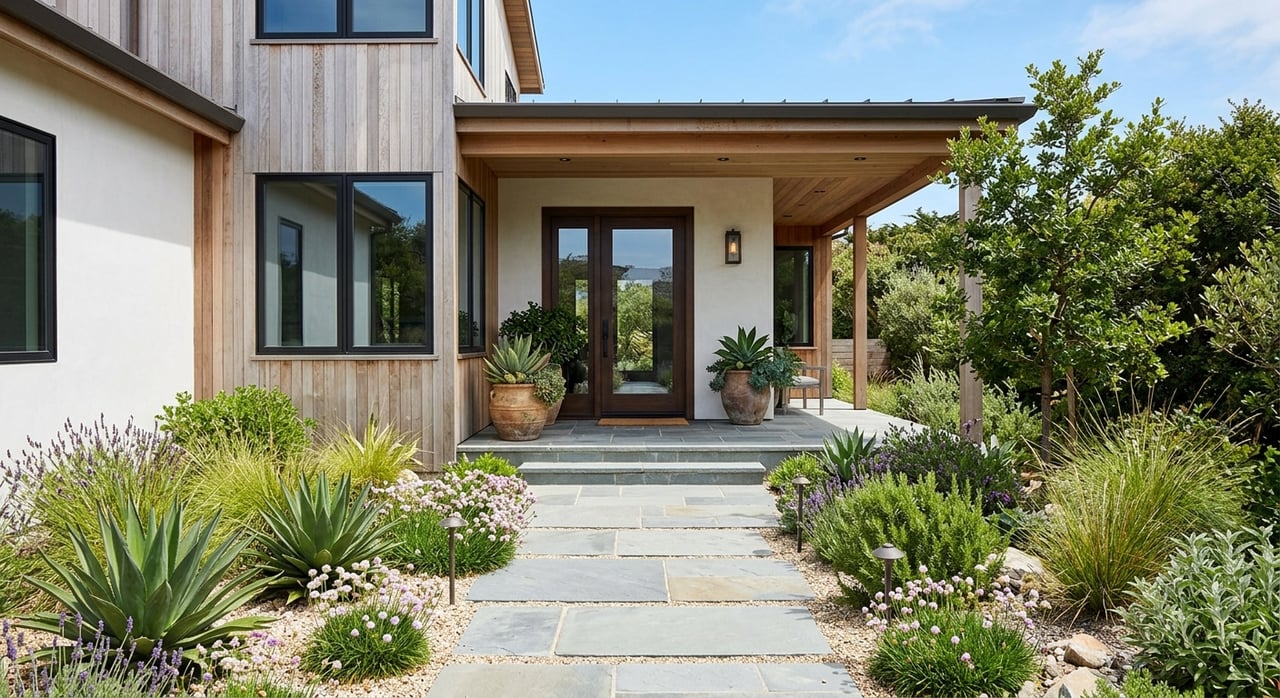
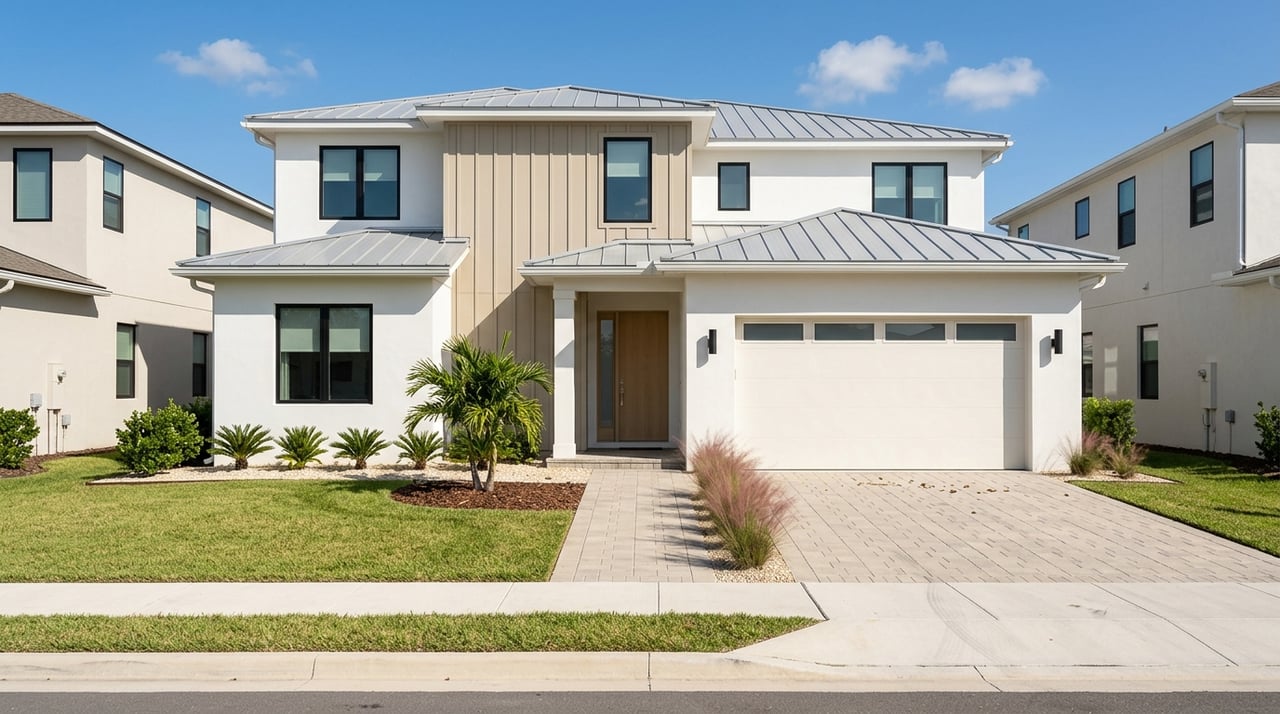
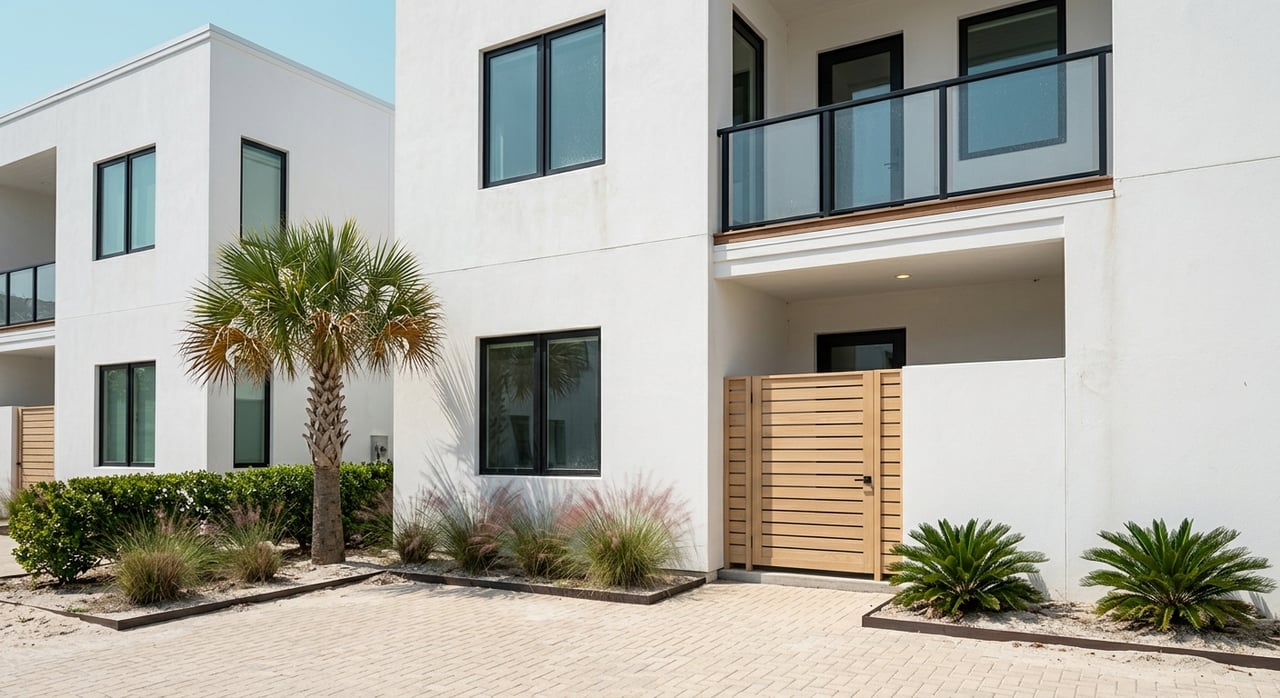
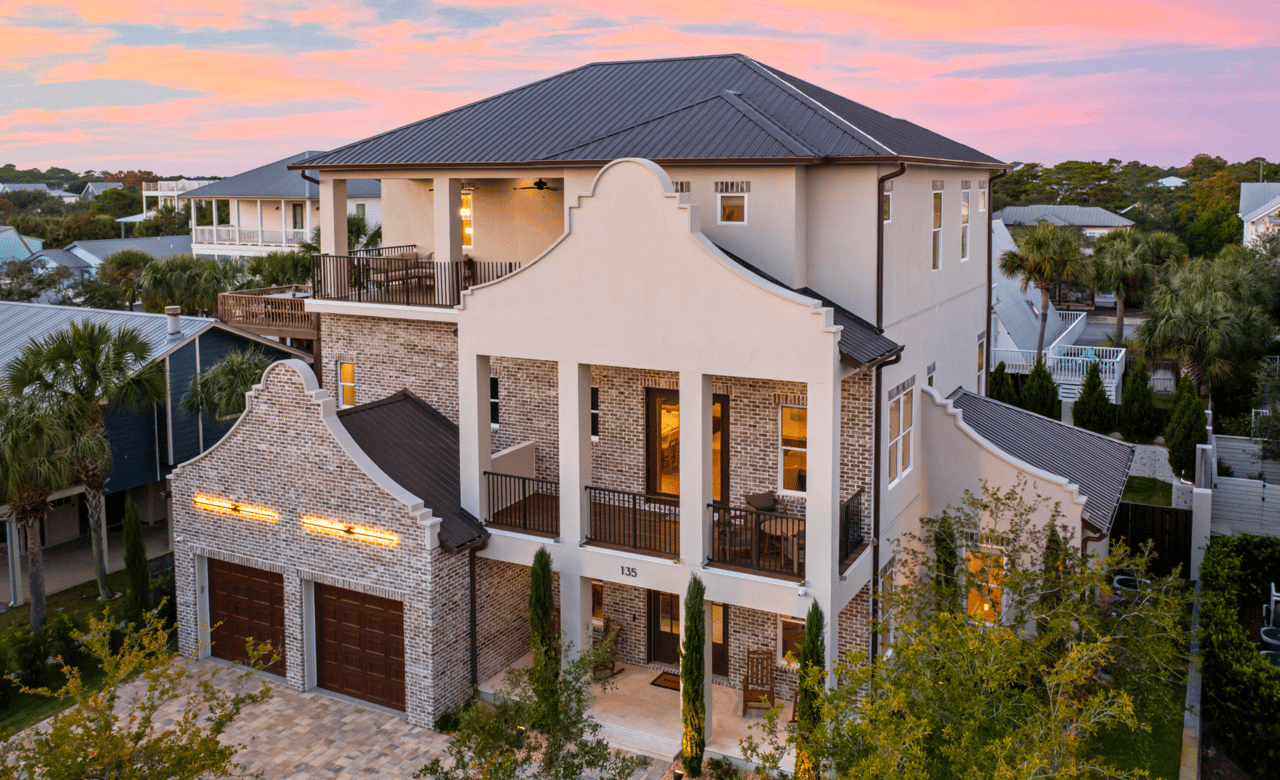
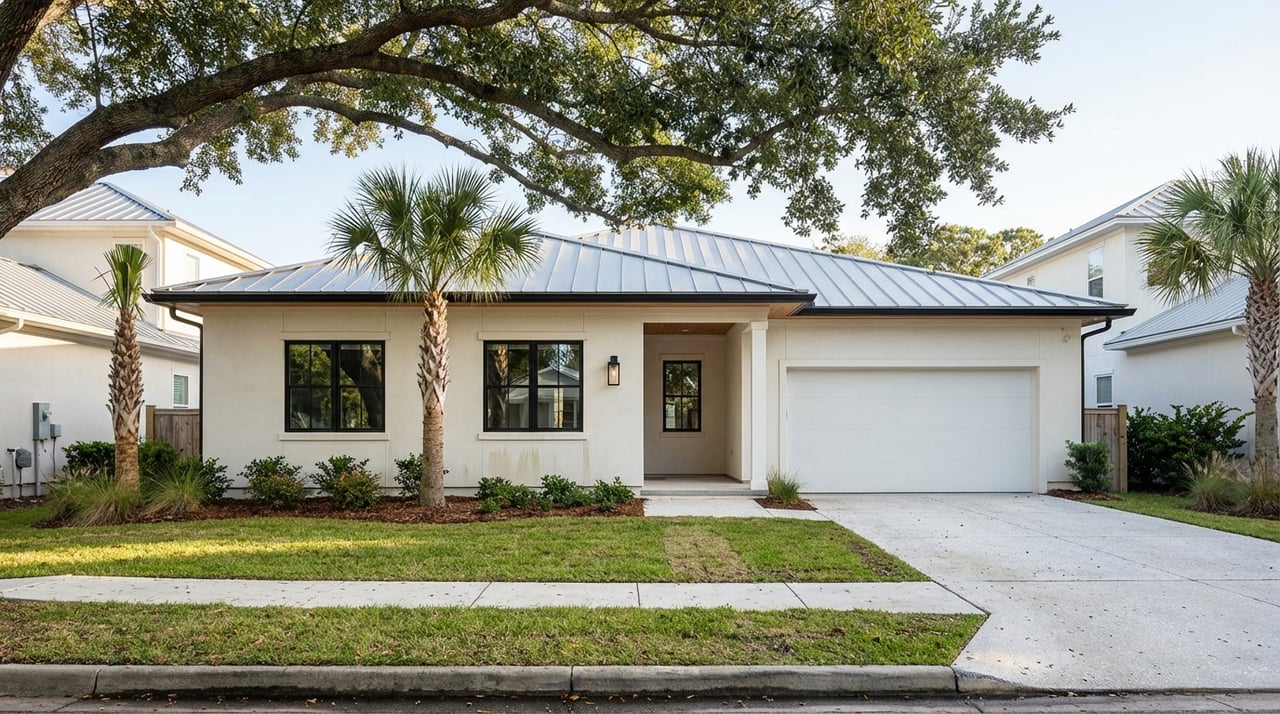
You’ll find single‑family subdivisions geared to first-time buyers and small to medium master‑planned communities with amenities. Some areas still offer rural parcels with more land. Utility setups vary by neighborhood, and rural homes are more likely to have a septic system and private well.
Builder timelines and what’s included
Builders typically offer warranties, often with a one‑year workmanship component and longer structural coverage. Ask for an itemized list of included features, any lot premiums, and a realistic build timeline from groundbreaking to closing. If you need to move soon, focus on speculative homes that are move‑in ready rather than lot‑and‑build packages.
HOA rules and fees to understand
Most planned communities use CC&Rs that guide exterior changes, landscaping, parking, and sometimes short‑term rentals. Amenities like pools and trails add value but also raise monthly or annual dues. Review the budget, reserve studies, and recent meeting minutes to gauge financial health and the risk of special assessments.
Before you commit, request full HOA documents and ask about transfer fees or resale document fees. If rental rules matter to you, verify them in writing.
Inspections and coastal risks
Flood risk and insurance
Even inland, some Freeport properties fall within FEMA‑mapped flood zones or have localized drainage concerns. Lenders require flood insurance for homes in Special Flood Hazard Areas. If a property is outside the SFHA, you can still consider private flood coverage based on your comfort with regional storm risk.
Ask for an Elevation Certificate if one exists, or plan to order one early. It can influence your flood insurance premium. Pull the current FEMA flood map for the property and contact county floodplain staff to discuss site history before you finalize your offer.
Wind, hurricane, and roof features
Homes built or renovated to newer Florida code often include stronger wind‑mitigation features like hurricane straps and improved roof sheathing. A wind mitigation inspection can identify features that may lower your insurance premium. Check roof age, shape, fastening method, and whether the home has impact‑rated windows or opening protections.
Salt air and materials
Coastal climates can accelerate corrosion on metal components, even a moderate distance inland. Look closely at metal flashing, HVAC cabinets, exterior fasteners, and electrical enclosures. Materials like fiber‑cement siding, high‑grade exterior paint, and stainless or coated fasteners tend to perform better.
Pests, mold, and moisture
Termites and other wood‑destroying organisms are common in Florida. Plan for a termite/WDO inspection and ask for any existing treatment or bond information. Also watch for moisture issues related to humidity, crawlspace ventilation, or HVAC condensation.
Specialized inspections worth scheduling
- General home inspection by a licensed inspector with coastal experience
- Wind mitigation inspection
- Termite/WDO inspection
- Elevation certificate or survey if near a flood zone
- Septic inspection and pump‑out records for homes on septic
- Water‑quality testing for private wells
- For newer construction: pre‑closing and 1‑year warranty inspections
Utilities, taxes, and insurance costs
Water, sewer, and waste services
Utility availability varies by neighborhood. Some areas use municipal water and sewer, while others rely on private wells and septic systems. If septic is present, factor in maintenance costs and request records for age and service history. Confirm trash and recycling schedules, and ask about storm debris pickup during hurricane season.
Energy and HVAC
Most homes use electric heat pumps and central air. Review the age, service records, and efficiency of the system during inspections. Good maintenance history can save you significant money in your first years of ownership.
Property taxes and homestead
Walton County property taxes are based on assessed value. As a primary resident, you may qualify for a Florida homestead exemption that can reduce your tax burden. Use the Walton County Property Appraiser’s resources to estimate your annual taxes and to learn about homestead eligibility and timelines.
Insurance landscape in Florida
Homeowners and wind insurance markets have been volatile in recent years. Premiums can be higher in coastal‑adjacent areas, and flood insurance is separate from homeowners coverage. Citizens Property Insurance is an insurer of last resort if private options are limited. Ask for homeowners, wind, and flood quotes early so you can compare total monthly costs across homes.
Financing and budget planning
Your monthly payment includes principal, interest, taxes, and insurance. In HOA communities, add dues to your budget. For new construction, ask the builder or closing agent to outline impact and utility fees so you can capture them in your closing costs.
If you are eligible, explore FHA or USDA financing and down‑payment assistance programs with a local lender who understands Florida insurance requirements. Ask your lender for a full monthly payment estimate on each property you are considering, including HOA dues and any required flood coverage.
Smart search checklist for Freeport
Use this quick list to move faster and avoid surprises:
- Test commute routes at your real drive times, including peak season.
- Pull FEMA flood information and consult county floodplain staff.
- Ask for an Elevation Certificate or plan to order one.
- Verify school boundaries with the Walton County School District.
- Confirm utilities: public sewer or septic, municipal water or private well.
- Request preliminary quotes for homeowners, wind, and flood insurance.
- Review all HOA documents: CC&Rs, bylaws, budgets, reserves, and minutes.
- For new builds: confirm warranty terms, included features, lot premiums, and start‑to‑finish timelines.
- Schedule specialized inspections appropriate for the property.
Negotiation tips for first-time buyers
Inspections can uncover items that create leverage. If a major system like the roof or HVAC needs attention, request seller credits to offset your repair costs. In new construction, builders often prefer to offer incentives such as closing‑cost contributions or appliance upgrades rather than price cuts.
Protect your contingencies. Keep inspection, financing, and appraisal contingencies in place. If the market is competitive, tailor timelines but do not skip essential inspections.
Schools and enrollment basics
The Walton County School District serves the Freeport area. Because school assignments and transportation zones can change, confirm boundaries directly with the district during your escrow period. Distance to schools and bus routes is a common consideration for relocating buyers, so verify those details early in your search.
Who you need on your team
Buying in a coastal‑adjacent market is smoother when you have the right local pros:
- A real estate agent with deep Walton County and Freeport experience
- A local lender who understands insurance requirements and loan programs
- A licensed home inspector with coastal and wind‑mitigation expertise
- A termite/WDO inspector
- A surveyor for boundary checks and elevation certificates when needed
- A real estate attorney or title company for HOA, easement, and closing questions
- An insurance broker who can quote both NFIP and private carriers
Ready to start your Freeport search?
If you want more space and value near the Emerald Coast, Freeport can be a smart first home. With clear steps on commutes, inspections, HOAs, and insurance, you can move from browsing to buying with confidence. When you are ready, connect with a local guide who knows how to navigate this inland‑to‑coast market and protect your budget. Reach out to Steve Philpot to plan your search and see the right homes first.
FAQs
How long are Freeport commutes to the beach or Destin?
- Plan for drives measured in tens of minutes, and expect longer times in spring and summer when tourist traffic builds on US‑98 and beach corridors; test your exact route at your normal drive time.
Do I need flood insurance if the home is not in a mapped flood zone?
- Lenders require flood insurance only in Special Flood Hazard Areas, but many buyers still price a private flood policy for peace of mind given regional storm risk.
What HOA rules should I expect in Freeport communities?
- CC&Rs commonly address exterior changes, landscaping, parking, and rental rules; review dues, reserve studies, meeting minutes, and any transfer fees before you commit.
Is new construction faster or cheaper in Freeport?
- New builds can offer strong value and warranties, but timelines vary and base prices may be offset by lot premiums, upgrades, and impact or utility fees; ask for an itemized inclusion list and realistic schedule.
Which inspections are most important for coastal‑adjacent homes?
- In addition to a general inspection, consider wind mitigation, termite/WDO, flood elevation certificates, and septic or well inspections if applicable.
How do septic systems affect a purchase in Freeport?
- Homes on septic require maintenance and pump‑outs; request system age and service records and schedule a septic inspection during your due diligence.
How can I estimate my Walton County property taxes as a first‑time buyer?
- Use resources from the Walton County Property Appraiser to estimate taxes based on assessed value and explore eligibility for the Florida homestead exemption.
What insurance quotes should I get before making an offer?
- Ask for homeowners, wind, and flood insurance estimates to understand your total monthly cost and compare properties accurately.