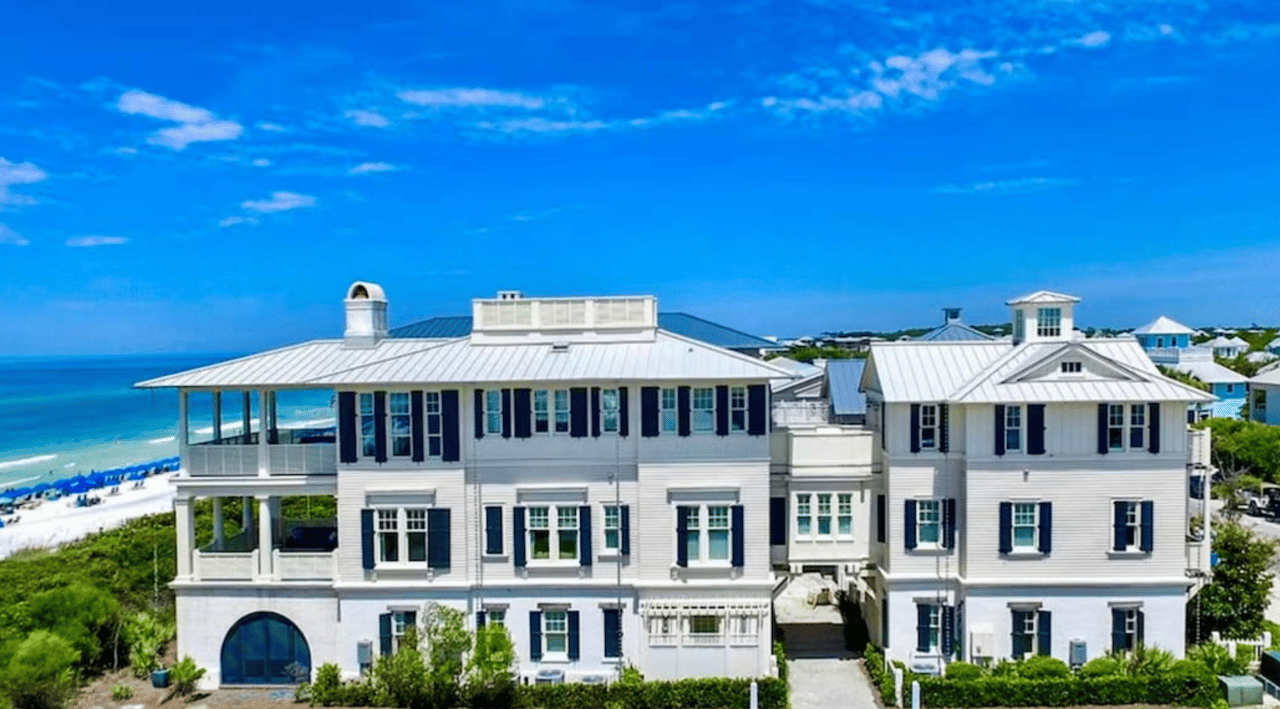
30A Investment Properties: Are Luxury Beach Homes Worth It?
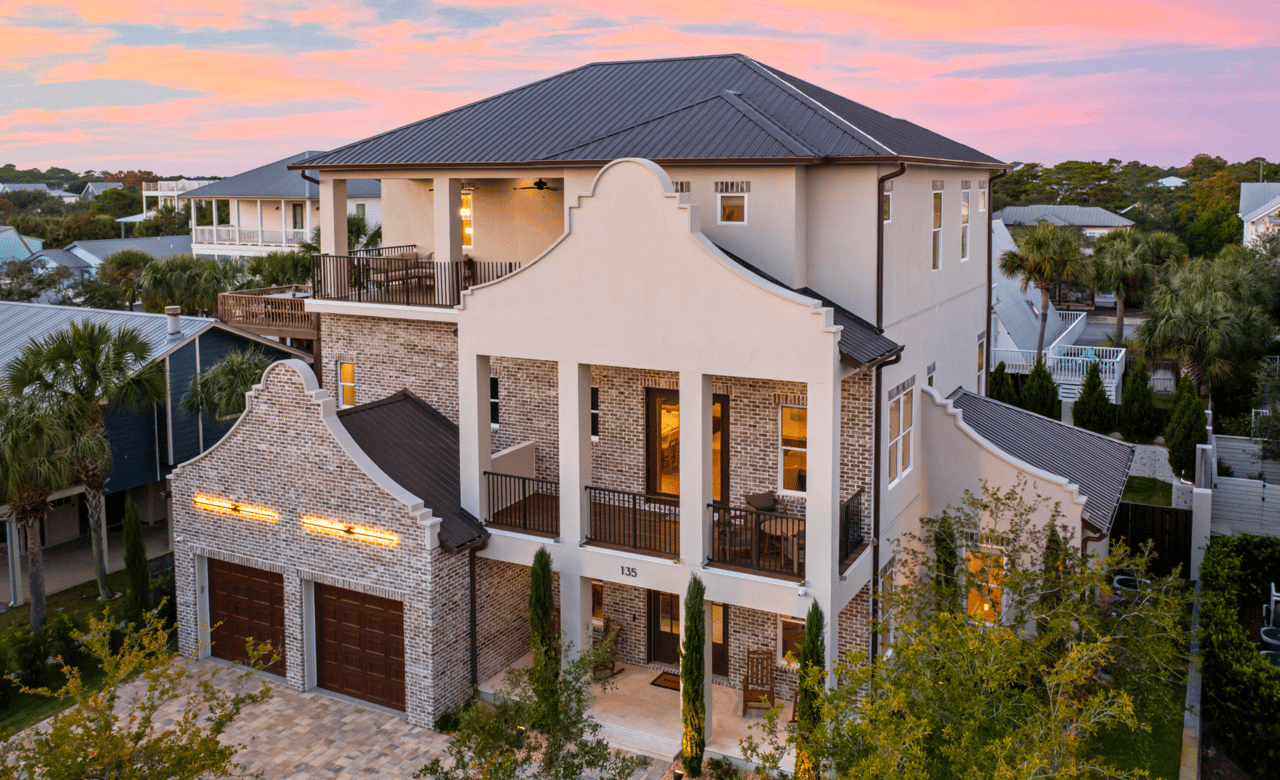
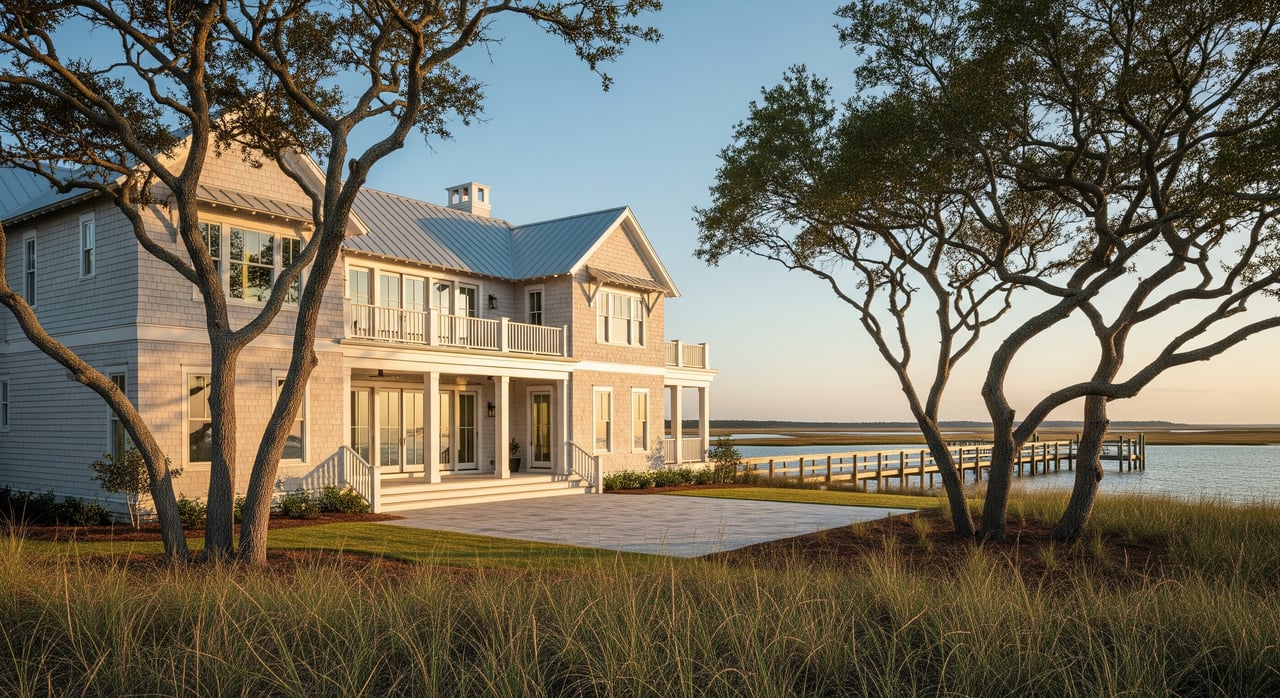
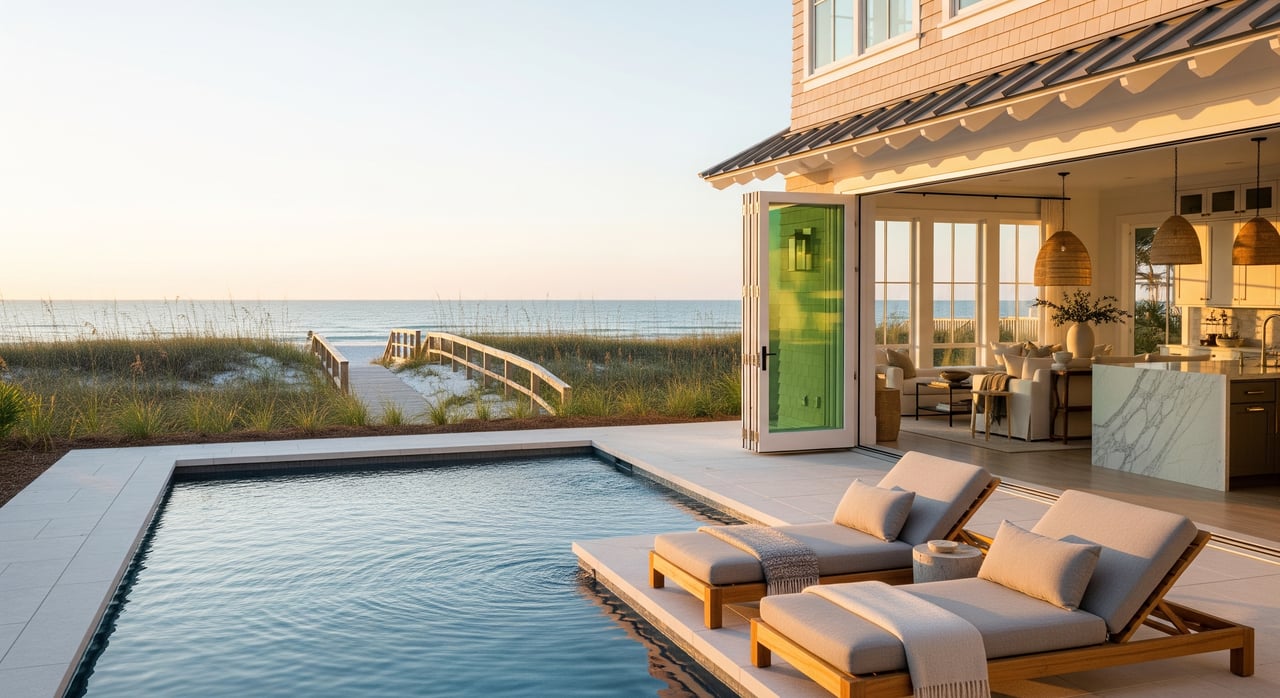
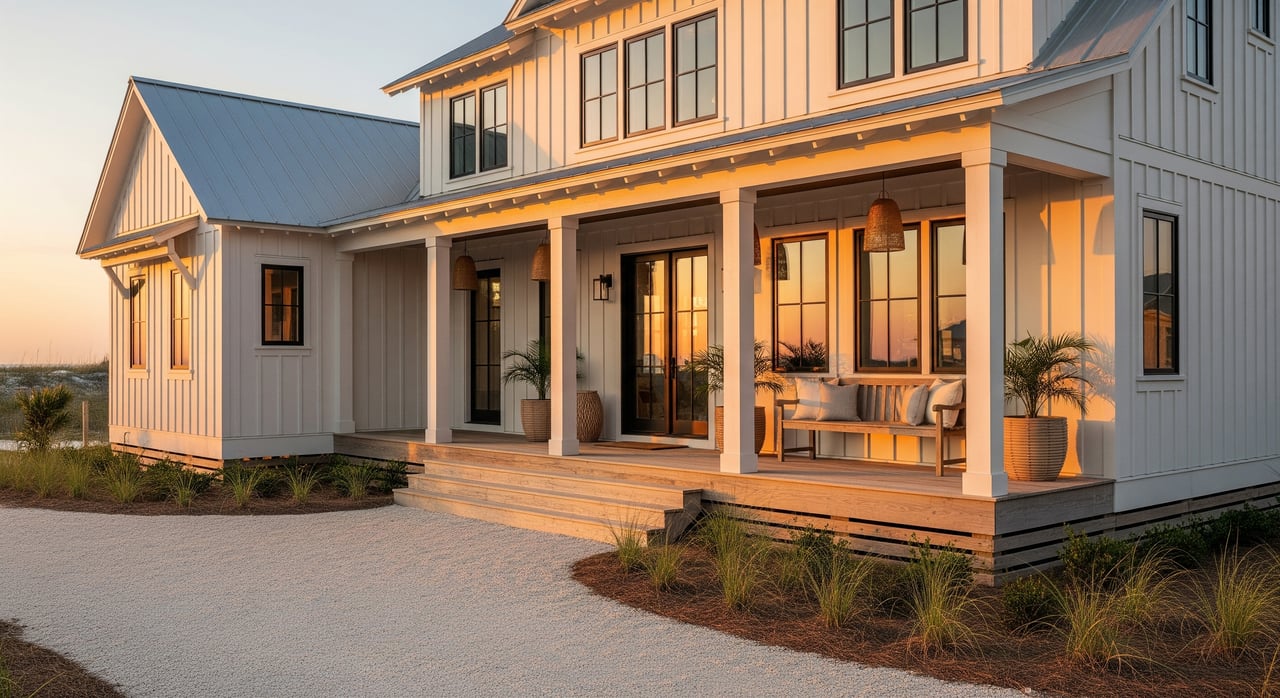
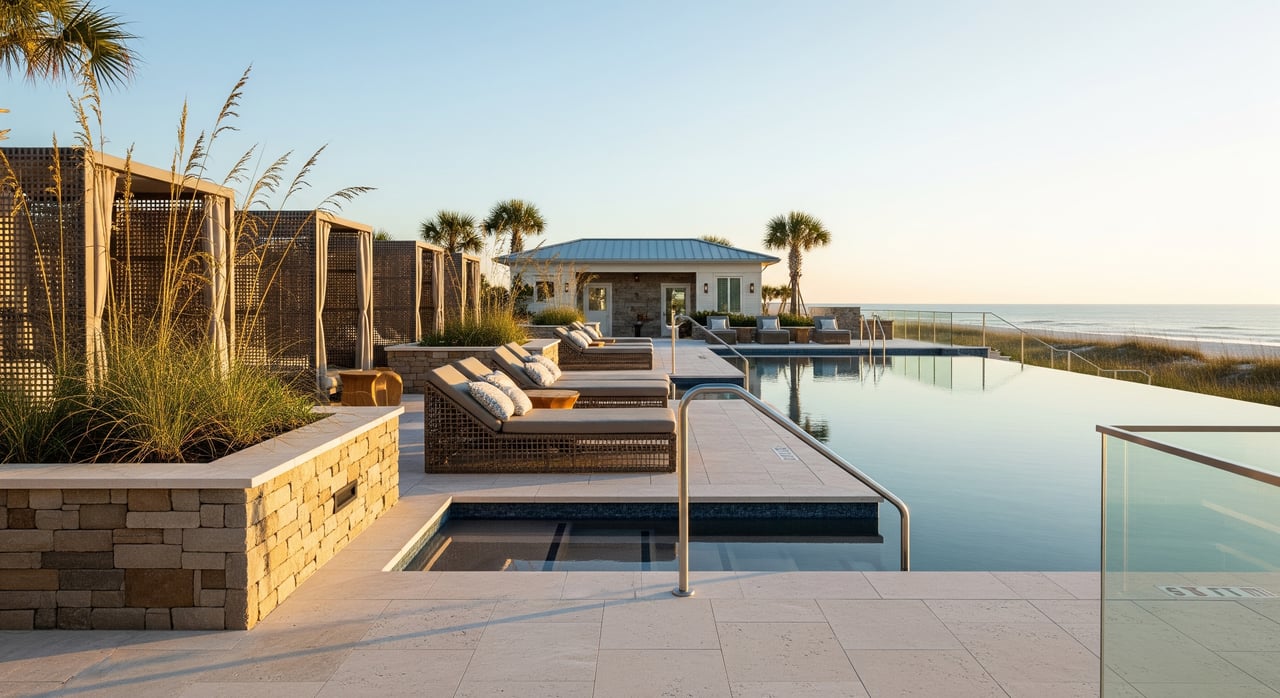
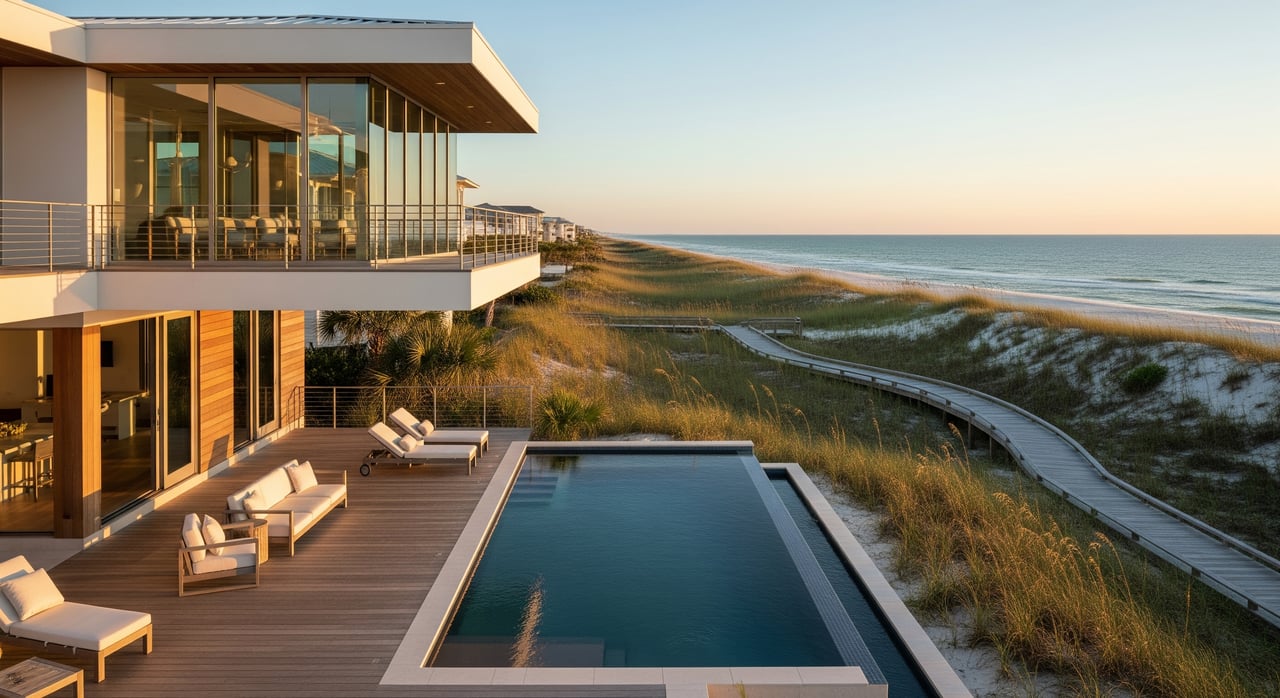
Luxury beach homes along Scenic Highway 30A represent the most prestigious segment of the Santa Rosa Beach real estate market. With prices often ranging from $3 million to over $10 million, these properties attract high-net-worth buyers, second-home owners, and investors seeking both rental income and long-term appreciation.
But for real estate investors building portfolios on Florida’s Emerald Coast, the key question is practical: Do luxury 30A homes actually deliver strong investment returns compared to mid-tier coastal properties?
The answer depends on understanding how luxury coastal assets perform across income, appreciation, risk, and portfolio positioning.
The 30A Luxury Market Defined
Luxury 30A properties typically share several characteristics:
-
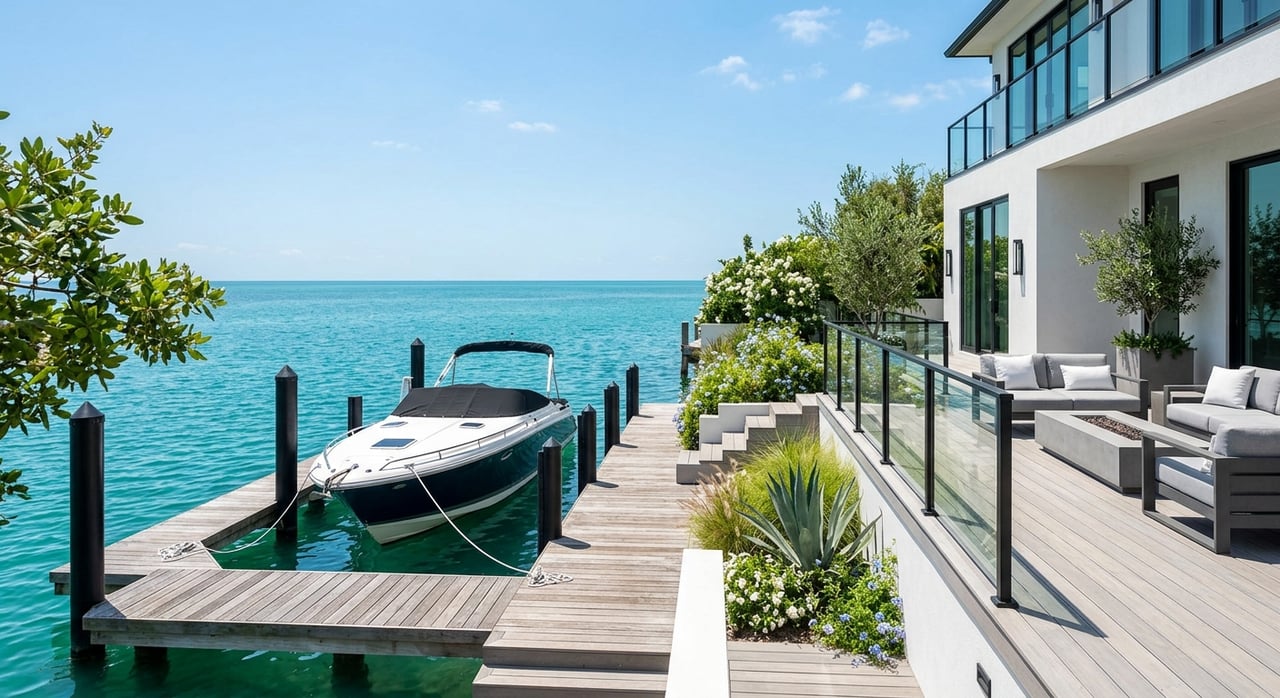
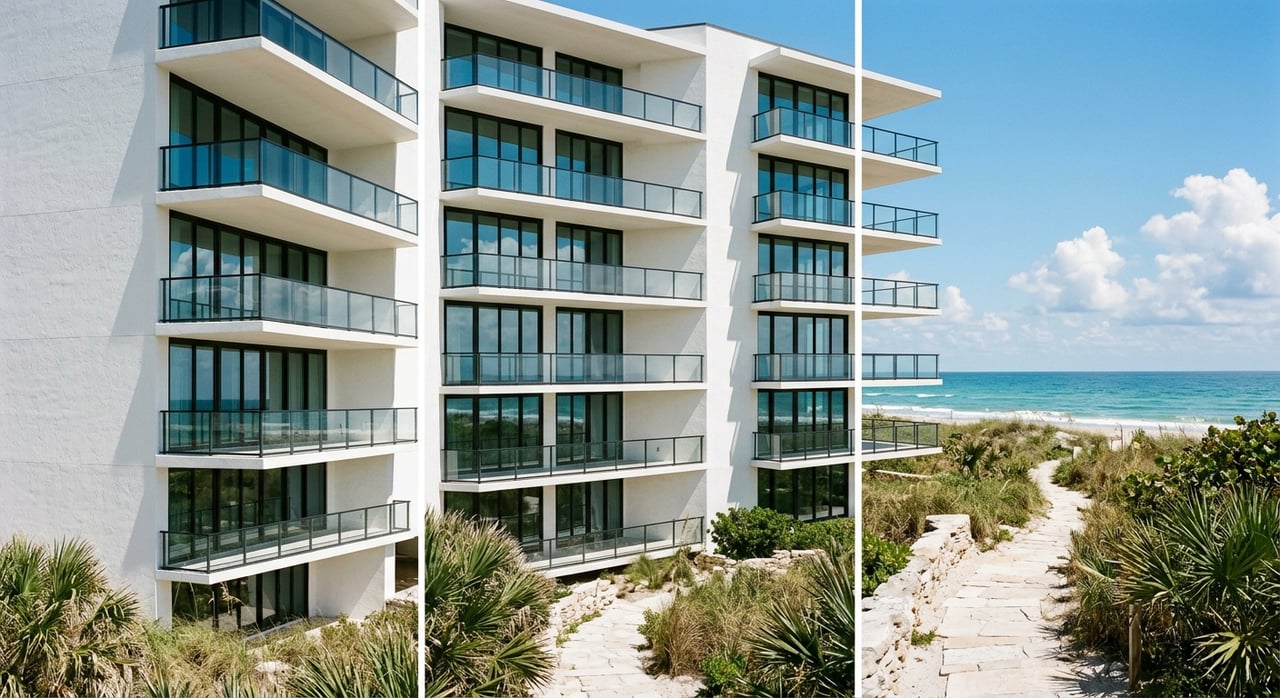
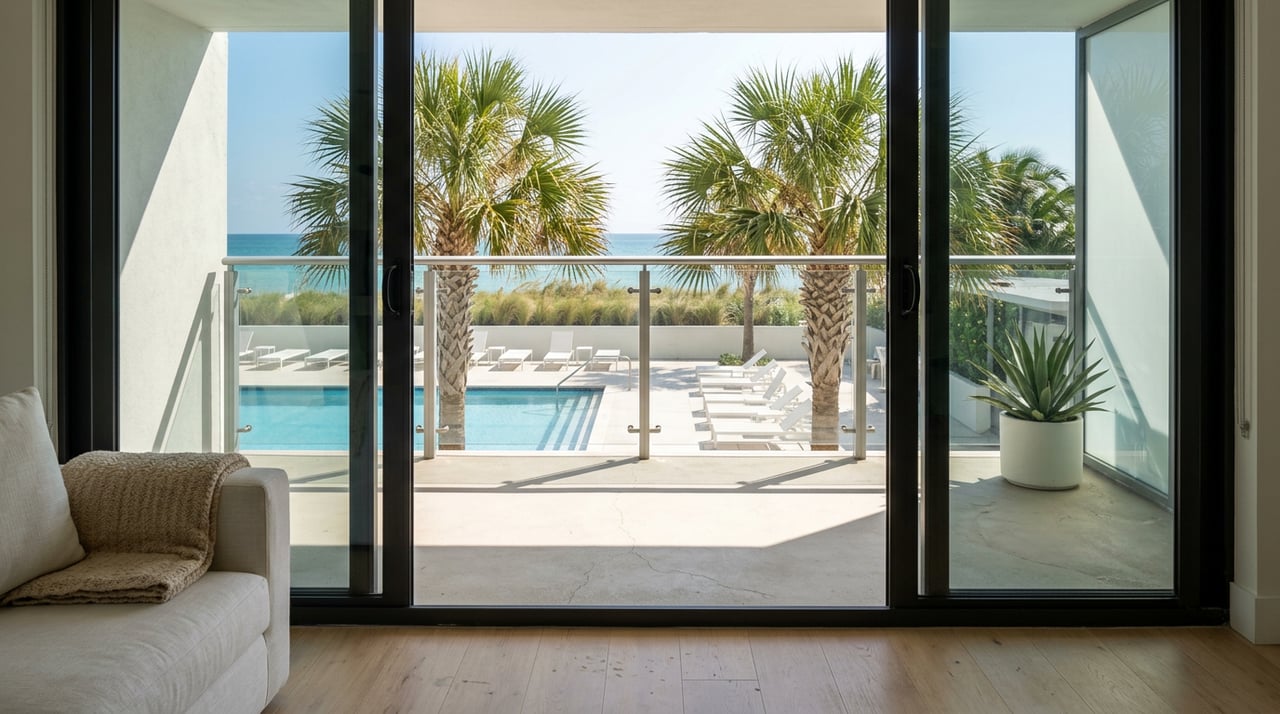
Gulf-front or Gulf-view location
-
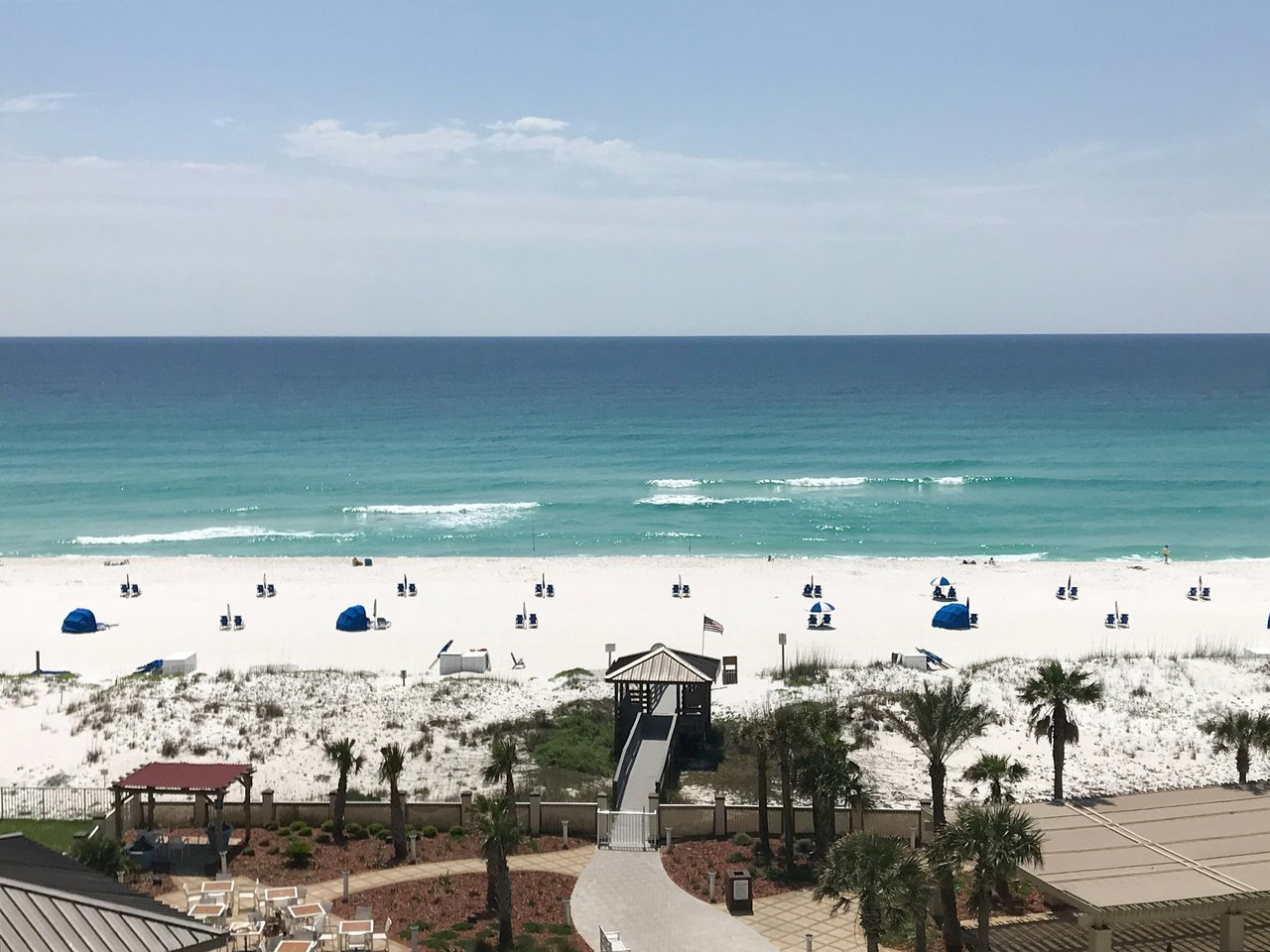
Walkable beach access
-
Architectural distinction
-
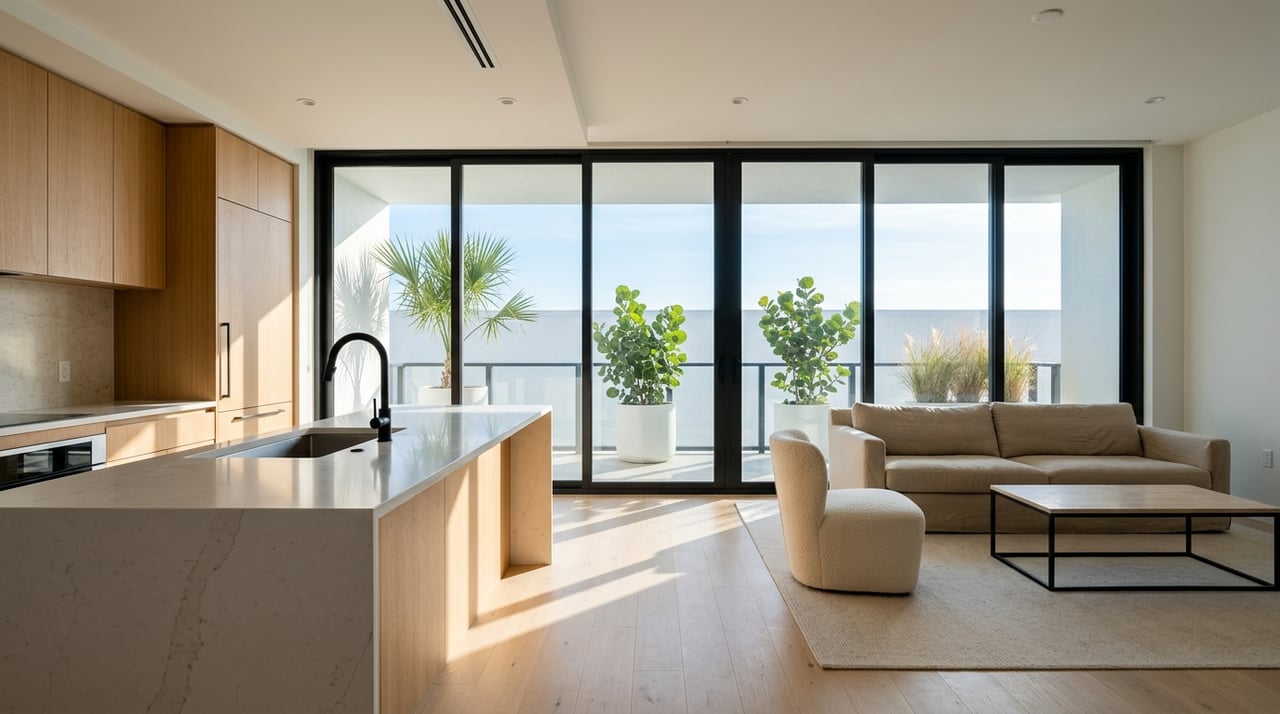
High-end finishes and design
-
4–8+ bedrooms
-
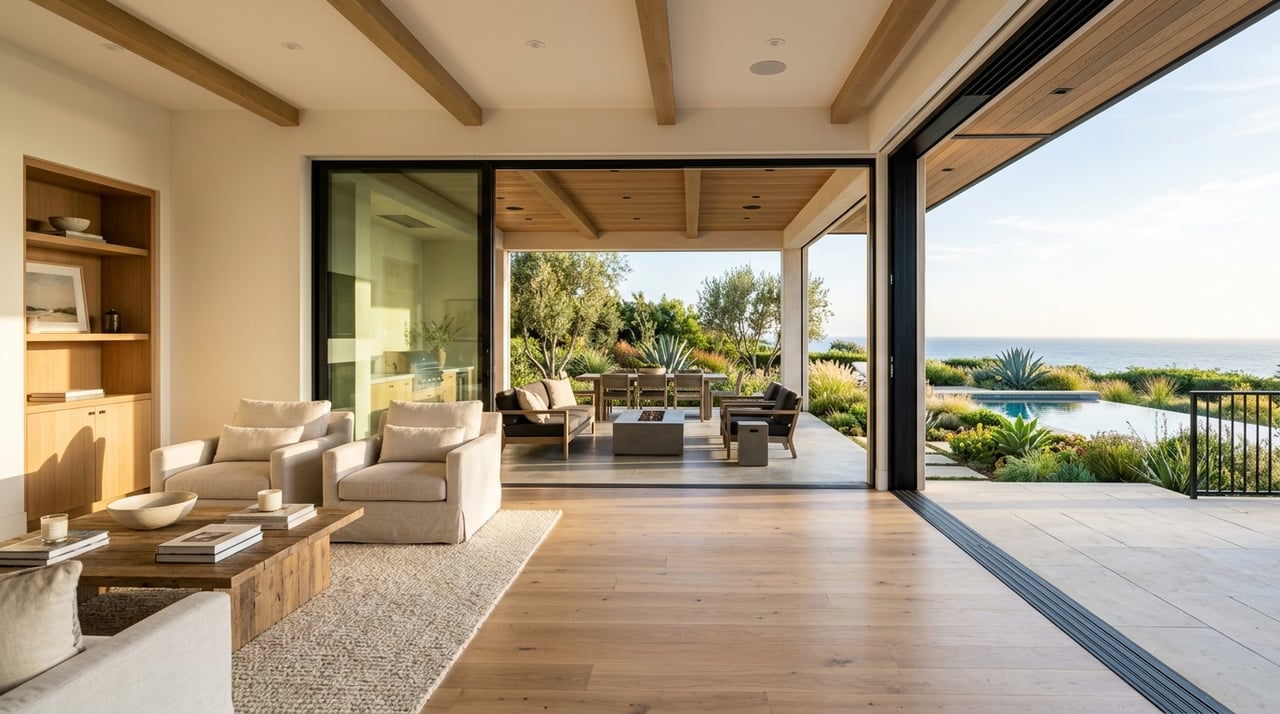
Private pools and outdoor living
-
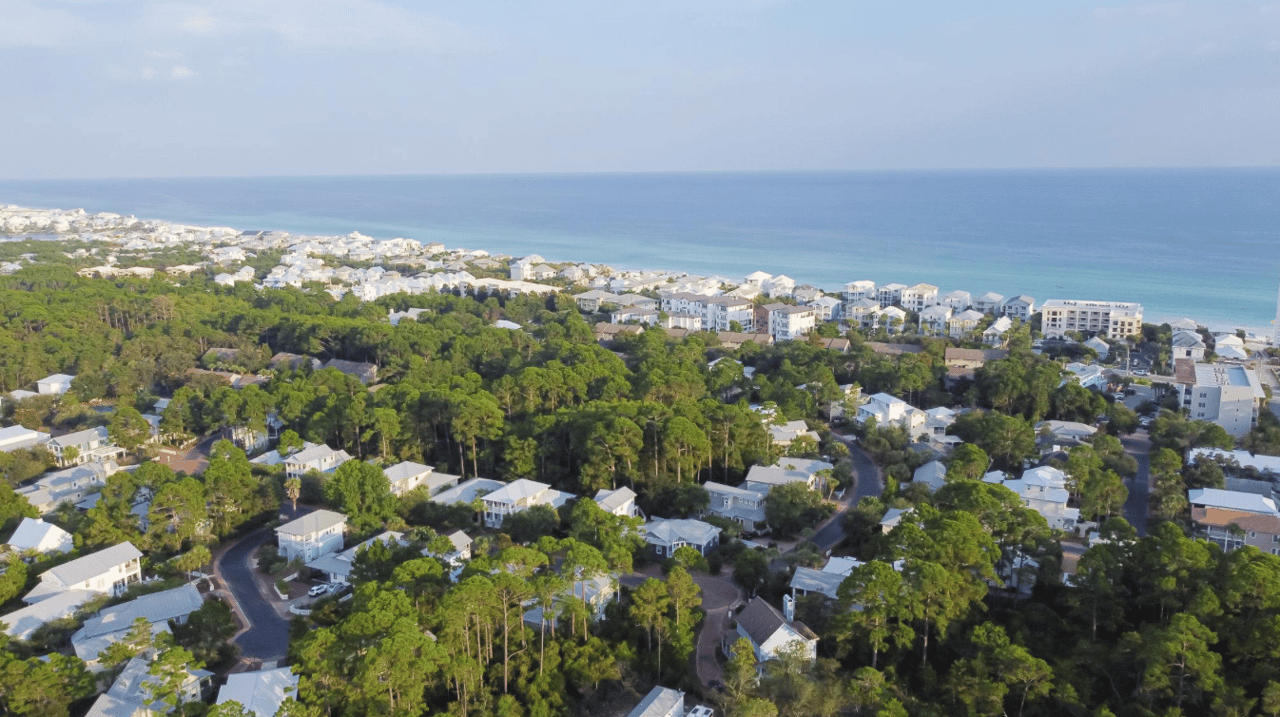
Prime communities (Grayton, Seagrove, Blue Mountain, Seaside-adjacent)
These homes occupy the top tier of Santa Rosa Beach inventory and appeal to both affluent vacation renters and luxury buyers.
Luxury STR Income Potential on 30A
High-end 30A homes can generate substantial short-term rental revenue due to premium nightly rates and large guest capacity.
Typical 2026 luxury STR ranges:
-
4–5 bed near beach: $180K–$300K
-
Gulf-view luxury: $250K–$400K
-
Gulf-front estate: $350K–$600K+
Weekly summer rents often exceed $15K–$25K for premier homes.
Large family groups and multi-generational travelers drive demand for high-bedroom-count coastal homes.
Why Luxury Cap Rates Are Lower
Despite strong gross revenue, luxury 30A homes usually produce lower cap rates than mid-tier properties.
Example:
$5M luxury 30A home
Gross STR: $350K
Expenses: $150K
Net: $200K
Cap rate: 4%
Meanwhile:
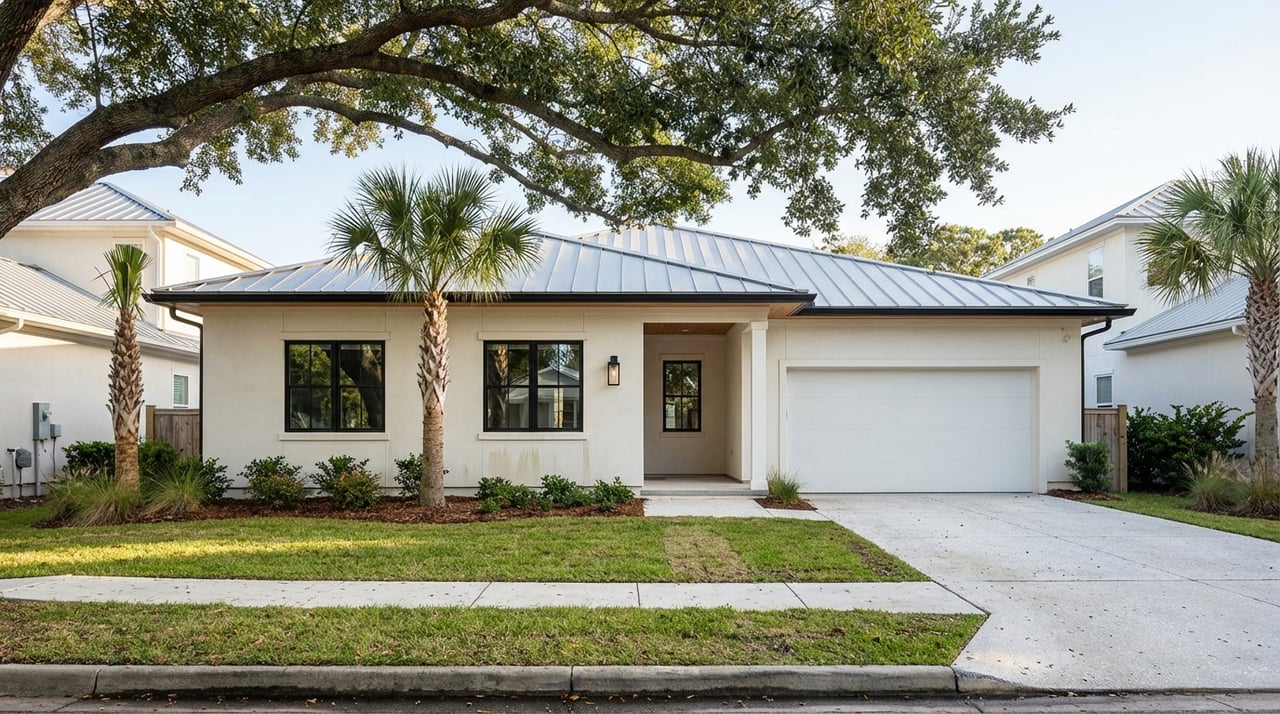
$1.4M 30A home
Net: $70K
Cap rate: 5%
Several factors explain this compression:
-
Higher purchase price multiples
-
Elevated maintenance costs
-
Luxury furnishing requirements
-
Insurance premiums
-
Amenity upkeep
Investors therefore rely more heavily on appreciation in this segment.
Appreciation Strength of Luxury 30A Homes
Luxury coastal real estate tends to appreciate strongly in scarcity markets like 30A due to:
Irreplaceable locations
True Gulf-front parcels are extremely limited.
High-net-worth buyer demand
Affluent buyers compete for trophy properties.
Architectural prestige communities
Areas like Seaside-adjacent and Alys Beach elevate values.
Barrier to entry
Few new luxury coastal sites remain.
Lifestyle branding
30A functions as a national luxury destination.
Over long horizons, prime coastal luxury markets often outperform broader housing markets.
Luxury vs Mid-Tier 30A Investment Comparison
Investors deciding between luxury and mid-tier properties should compare return profiles.
Luxury 30A home ($4M–$6M)
Cap rate: 3–4%
Appreciation: Very high
Tenant base: Luxury vacationers
Liquidity: Strong but niche
Risk: Market cycle sensitivity
Mid-tier 30A home ($1M–$2M)
Cap rate: 4–6%
Appreciation: Strong
Tenant base: Broad vacation market
Liquidity: Very strong
Risk: Moderate
Most portfolio investors hold more mid-tier properties, but luxury assets serve specific strategic roles.
When Luxury 30A Homes Make Sense for Investors
Luxury coastal properties are most appropriate when investors prioritize:
Long-term appreciation
Prime coastal parcels historically outperform.
Portfolio prestige positioning
Trophy assets elevate portfolio value.
High absolute income
Even lower cap rates produce large dollar income.
Legacy ownership
Multi-generational wealth assets.
Lifestyle + investment hybrid
Personal use combined with STR income.
These investors often have substantial capital and longer time horizons.
Risks Unique to Luxury Coastal Investing
Luxury 30A properties carry distinct considerations.
Higher capital exposure
Large equity tied to single asset.
Market sensitivity
Luxury demand fluctuates more in downturns.
Operating complexity
High-end guest expectations and upkeep.
Insurance volatility
Coastal luxury premiums significant.
Liquidity niche
Buyer pool smaller than mid-tier homes.
Diversification remains important even for luxury investors.
Portfolio Role of Luxury 30A Properties
Sophisticated Emerald Coast investors often integrate luxury homes strategically rather than exclusively.
Typical portfolio mix:
-
1 luxury 30A asset
-
2–4 mid-tier STR homes
-
1–2 inland LTR properties
This structure provides:
-
Income diversification
-
Appreciation upside
-
Risk balance
-
Market cycle resilience
Luxury becomes the appreciation anchor while other properties provide yield stability.
Luxury STR Demand Drivers on 30A
Several trends support continued demand for luxury rentals.
Multi-family vacationing
Large groups prefer single high-end homes.
Destination celebrations
Weddings, reunions, retreats.
Affluent traveler growth
High-income households expanding.
Privacy preference
Private homes vs resorts.
Experiential travel
Unique architectural properties attract guests.
These factors sustain premium rental rates.
Financing Luxury 30A Investments
Financing differs from mid-tier properties.
Common approaches:
-
Cash purchases
-
Jumbo second-home loans
-
Portfolio lender products
-
Equity redeployment
-
1031 exchanges
Luxury investors often prioritize low leverage to reduce risk.
Are Luxury 30A Homes “Worth It” for Investors?
From a purely cap-rate perspective, mid-tier 30A homes outperform luxury properties.
However, luxury homes excel in:
-
Appreciation potential
-
Absolute income
-
Portfolio prestige
-
Scarcity value
-
Long-term wealth storage
For investors focused on total return and generational assets, luxury coastal real estate remains compelling.
Strategic Guidance for Emerald Coast Investors
Luxury 30A investing works best when:
-
Portfolio already diversified
-
Long-term horizon planned
-
Capital reserves strong
-
Location prime
-
STR performance proven
First-time coastal investors typically start mid-tier before entering luxury segments.
Working With a Luxury 30A Investment Specialist
Luxury coastal investing requires expertise in:
-
Micro-location prestige hierarchy
-
Rental performance at high price tiers
-
Construction quality assessment
-
Insurance and cost modeling
-
Buyer demand patterns
-
Long-term appreciation drivers
Steve Philpot helps investors evaluate whether luxury 30A properties align with their Santa Rosa Beach portfolio strategy and long-term investment goals.
Frequently Asked Questions About Luxury 30A Investments
Do luxury 30A homes produce good rental income?
Yes. Premium homes can generate $250K–$600K+ annual gross STR revenue depending on size and location.
Why are luxury cap rates lower than mid-tier homes?
Higher purchase prices and operating costs compress yield despite strong rental income.
Do luxury coastal homes appreciate faster?
Prime Gulf-front and prestigious 30A properties often appreciate strongly due to scarcity and high-end buyer demand.
Should investors start with luxury 30A properties?
Most investors begin with mid-tier STR homes before adding luxury assets to portfolios.
Are luxury 30A homes risky investments?
They carry higher capital exposure and market sensitivity but also strong appreciation potential.
About Steve Philpot
Steve Philpot is an Emerald Coast real estate advisor specializing in Santa Rosa Beach and 30A luxury and investment properties. He helps investors acquire high-performing coastal assets and build diversified Florida Gulf Coast real estate portfolios for income and long-term appreciation.