Short-Term vs Long-Term Rentals on Florida’s Emerald Coast: Which Performs Better?
For real estate investors targeting Florida’s Emerald Coast — particularly Santa Rosa Beach and the 30A corridor — one of the most important strategic decisions is whether to operate a property as a short-term rental (STR) or long-term rental (LTR).
Both approaches can produce strong returns, but they differ significantly in income potential, risk profile, management intensity, and long-term portfolio impact. Understanding how each strategy performs in the Santa Rosa Beach market is essential for investors building scalable coastal real estate portfolios.
This guide breaks down STR vs LTR performance across the Emerald Coast using 2026 market dynamics.
The Emerald Coast Rental Landscape
The Emerald Coast rental market is uniquely suited to both STR and LTR strategies due to its hybrid economy:
-
Tourism-driven coastal corridor (30A, Destin, Panama City Beach)
-
Permanent residential workforce inland
-
Seasonal second-home demand
-
Migration-driven housing demand
This creates two distinct but overlapping rental ecosystems:
Short-term rental zones:
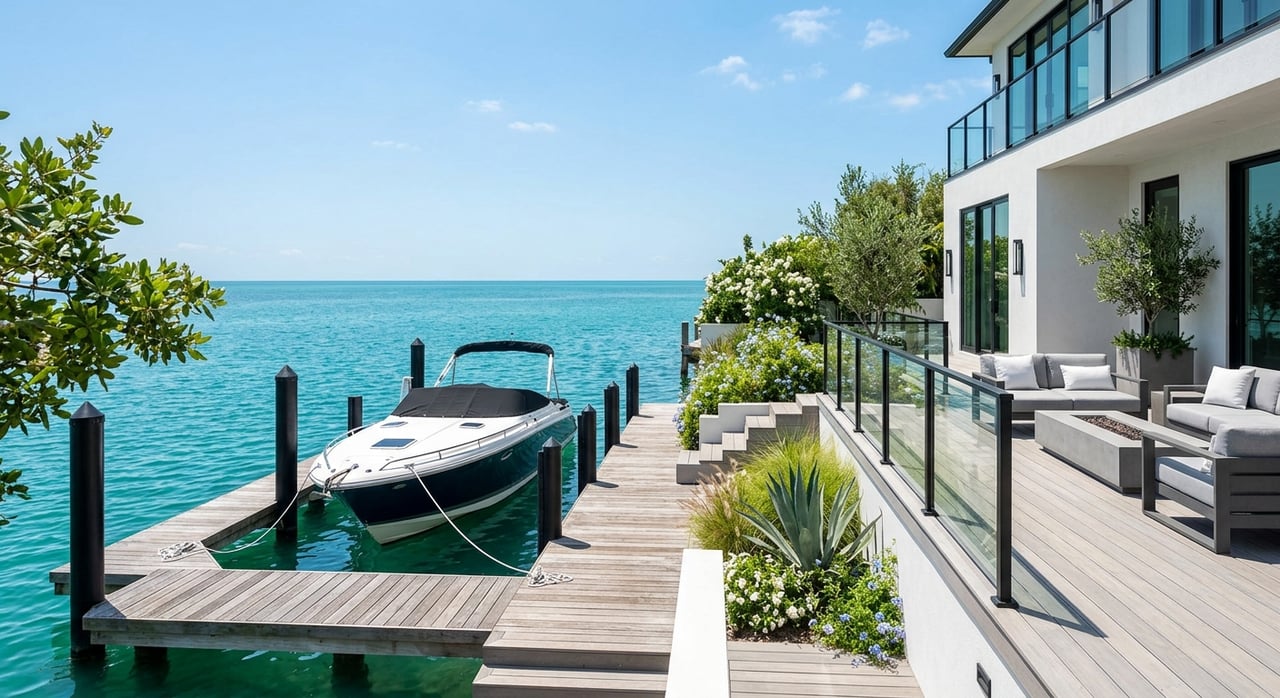
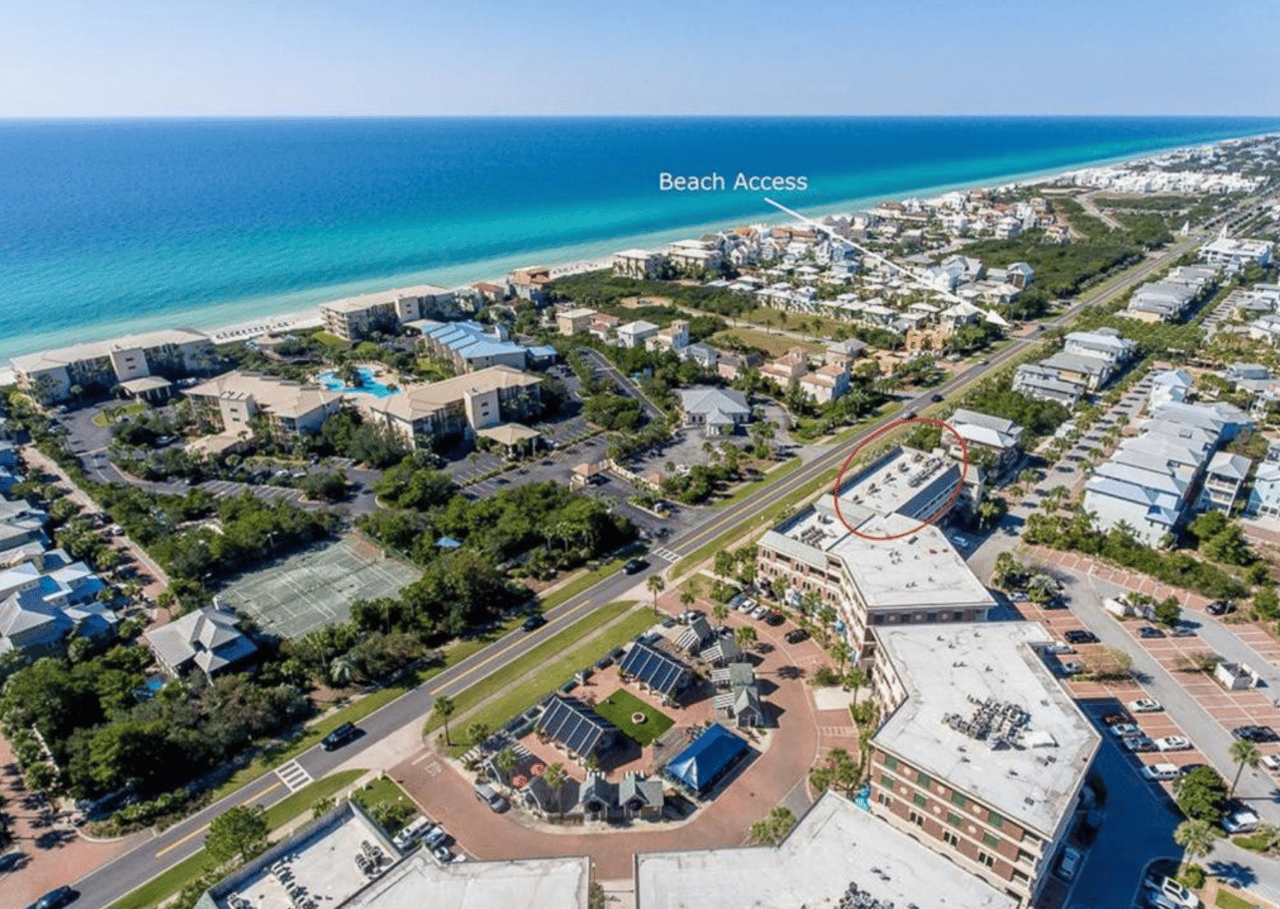
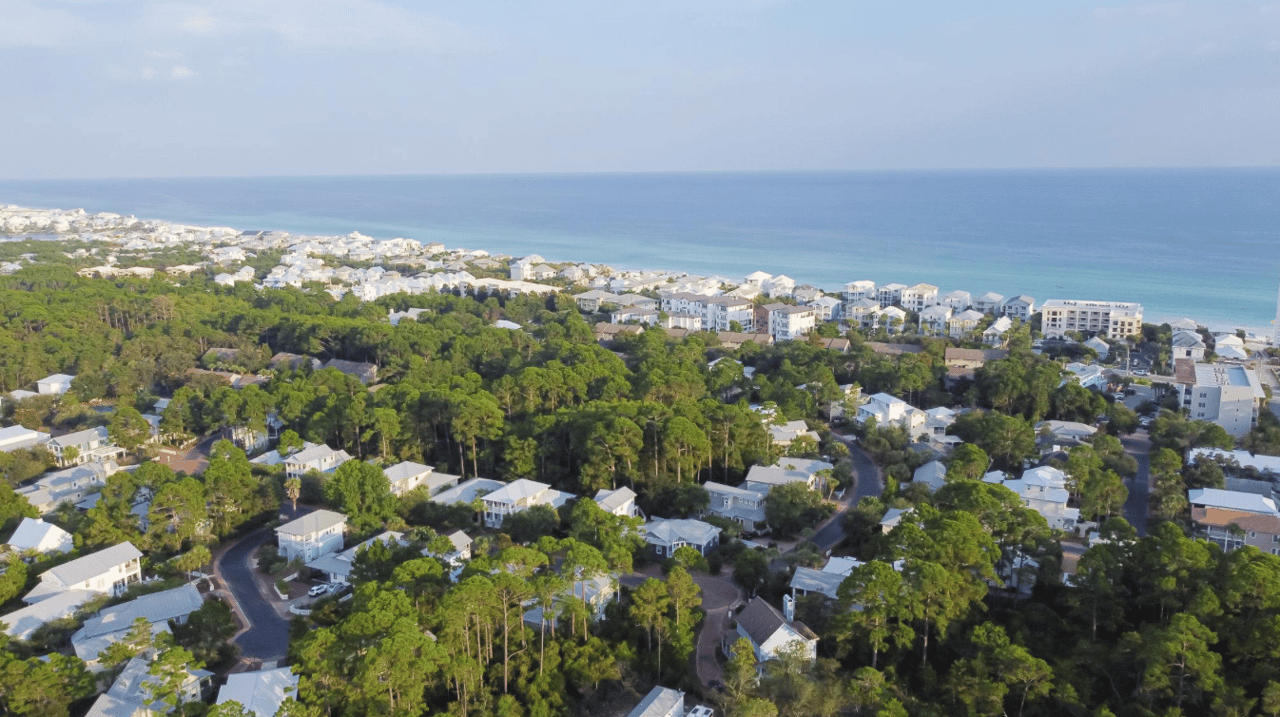
30A, beachfront, near beach access, resort communities
Long-term rental zones:
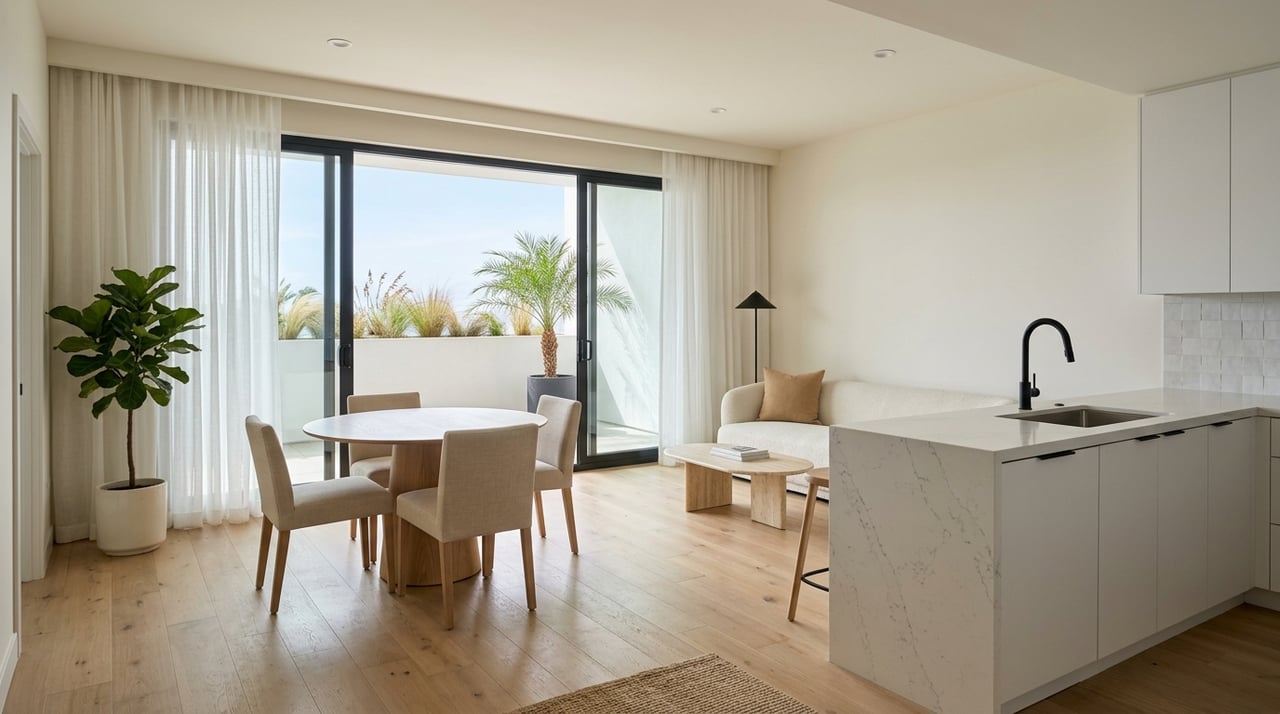
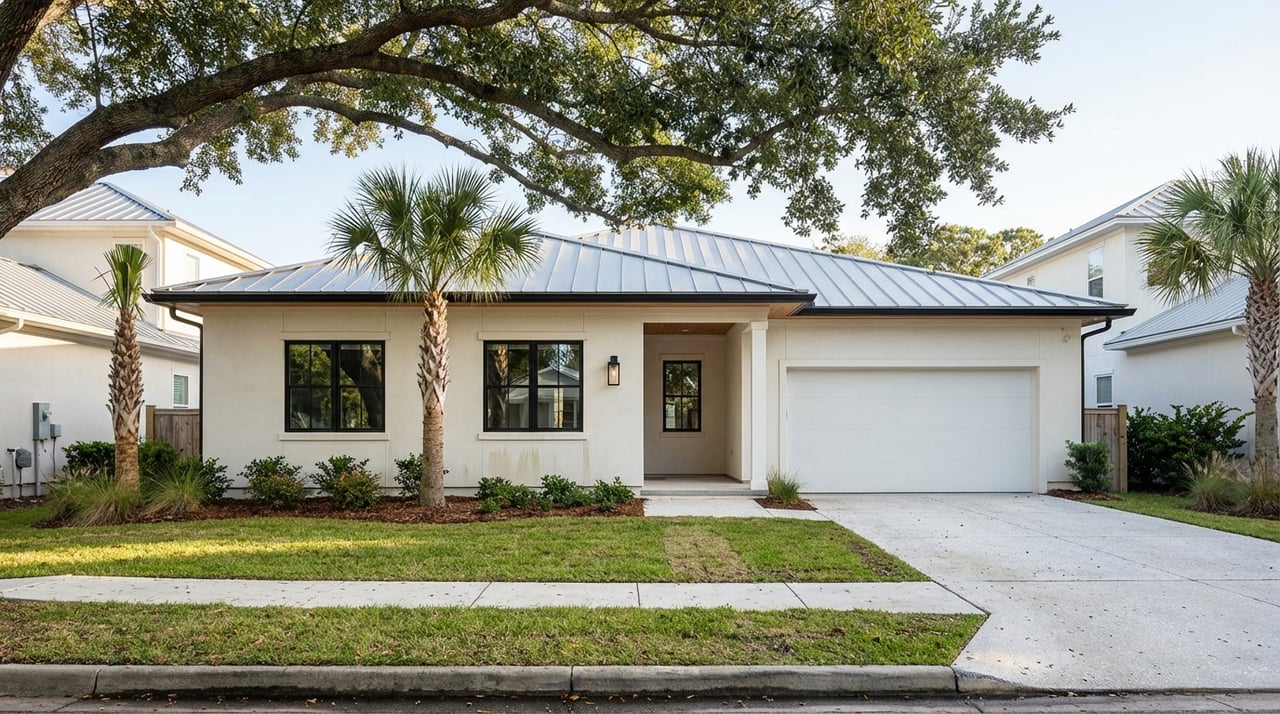
Inland Santa Rosa Beach, Niceville, Freeport, Panama City suburbs
Many successful investors deploy both within a diversified portfolio.
Short-Term Rentals on the Emerald Coast
Short-term rentals dominate the 30A and Santa Rosa Beach investment conversation because of their income potential.
STR Income Potential
Typical annual gross revenue ranges in Santa Rosa Beach:
-
Condo near beach: $45K–$75K
-
3-bed home: $80K–$140K
-
4–5 bed 30A home: $120K–$250K
-
Luxury gulf-front: $300K+
Occupancy peaks from March through October, with summer producing the highest weekly rents.
STR Advantages
Higher revenue ceiling
STR income can exceed LTR by 2–3× in prime locations.
Personal use flexibility
Owners can reserve weeks for personal stays.
Appreciation synergy
Vacation homes in desirable 30A neighborhoods appreciate strongly.
Dynamic pricing power
Nightly rates adjust with demand, events, and seasonality.
STR Risks
Seasonality
Revenue concentrated in peak months.
Management complexity
Cleaning, bookings, guest communication, marketing.
Operating costs
35–50% expense ratios including management.
Regulatory risk
Local STR zoning and licensing requirements.
Despite these factors, STR remains the dominant investment model in Santa Rosa Beach due to strong tourism demand.
Long-Term Rentals on the Emerald Coast
Long-term rentals provide stable, predictable income driven by permanent residents rather than tourists.
Typical tenant bases include:
-
Local professionals
-
Hospitality workers
-
Military families
-
Remote workers
-
Service workforce
Demand is strongest inland where housing is more attainable than coastal 30A.
LTR Income Potential
Typical Santa Rosa Beach LTR ranges:
-
3-bed inland home: $2,400–$3,200/mo
-
4-bed inland home: $2,800–$3,800/mo
-
Townhome: $2,000–$2,800/mo
Annual gross: $28K–$45K
Expenses are typically lower than STR, often 20–30%.
LTR Advantages
Stable year-round income
No seasonal swings.
Lower management burden
One tenant vs many guests.
Lower operating costs
Minimal turnover expenses.
Financing simplicity
LTR properties easier for traditional lending.
Market resilience
Housing demand persists even during tourism slowdowns.
LTR Risks
Lower revenue ceiling
Cannot match STR income in beach markets.
Limited rate flexibility
Rent increases constrained by lease cycles.
Tenant risk
Nonpayment or damage.
Less personal use
Owner occupancy limited.
STR vs LTR: ROI Comparison in Santa Rosa Beach
For investors comparing identical property values, the performance gap can be substantial.
Example: $1.2M 3-bed near 30A
STR scenario:
Gross: $110K
Expenses: $45K
Net: ~$65K
LTR scenario:
Rent: $3,200/mo
Gross: $38K
Expenses: $9K
Net: ~$29K
STR produces over 2× net income.
However, risk and effort are also higher.
Which Strategy Performs Better?
The answer depends on property location and investor goals.
STR performs best when:
-
Walkable to beach
-
In 30A corridor
-
Tourist-oriented community
-
3+ bedrooms
-
Amenities (pool, parking)
LTR performs best when:
-
Inland Santa Rosa Beach
-
Workforce housing zones
-
Suburban neighborhoods
-
HOA STR restrictions
-
Lower price tiers
Using the wrong strategy for a location often reduces ROI dramatically.
Hybrid Strategy: The Emerging Investor Approach
Many Emerald Coast investors now deploy hybrid portfolios:
-
STR properties on 30A
-
LTR homes inland
-
Appreciation-focused holdings
This balances:
-
Cash flow stability
-
Income upside
-
Risk diversification
-
Financing flexibility
Portfolio builders often start with one STR, then add LTR units for stability.
Regulatory Considerations on the Emerald Coast
Walton County (Santa Rosa Beach) remains relatively STR-friendly compared to many U.S. coastal markets, but rules vary by zoning and HOA.
Key considerations:
-
STR registration requirements
-
Local taxes
-
Noise/parking ordinances
-
HOA rental restrictions
-
Density regulations
Investors must evaluate property-specific STR eligibility before purchase.
Appreciation Impact: STR vs LTR Locations
One overlooked factor: appreciation differs by rental type geography.
STR zones (30A):
-
Limited supply
-
Lifestyle demand
-
Higher price growth
-
Luxury buyer pool
LTR zones (inland):
-
Migration driven
-
Workforce demand
-
Steady growth
-
Lower volatility
Both appreciate, but coastal STR areas historically outperform.
Choosing the Right Strategy for Your Portfolio
Investors should align rental model with objectives.
Maximize income:
STR in 30A or beach-proximate Santa Rosa Beach
Stable cash flow:
LTR inland Santa Rosa Beach
Balanced portfolio:
Mix of STR + LTR
Appreciation focus:
Premium 30A STR properties
Lower entry:
LTR suburban homes or condos
Why Strategy Alignment Matters in Coastal Investing
Unlike homogeneous suburban markets, Emerald Coast returns depend heavily on aligning rental strategy with micro-location demand.
A beach-proximate property used as LTR sacrifices revenue.
An inland property used as STR struggles with occupancy.
Strategic alignment is what differentiates high-performing portfolios from average ones.
Working With a Santa Rosa Beach Investment Specialist
Evaluating STR vs LTR potential requires local expertise in:
-
Rental zoning
-
Occupancy patterns
-
Micro-location demand
-
Operating costs
-
Insurance impacts
-
Buyer liquidity
Steve Philpot helps investors determine the optimal rental strategy for each Santa Rosa Beach acquisition to maximize long-term portfolio performance.
Frequently Asked Questions About STR vs LTR on the Emerald Coast
Are short-term rentals more profitable than long-term rentals in Santa Rosa Beach?
Yes. In beach-proximate locations, STR properties often generate two to three times the net income of comparable long-term rentals.
Is long-term renting safer for investors?
LTR provides more stable income and lower management complexity, making it lower risk but also lower return in coastal markets.
Can investors switch between STR and LTR?
Often yes, depending on zoning and HOA rules. Many investors convert properties based on market conditions.
Where do long-term rentals perform best in Santa Rosa Beach?
Inland neighborhoods such as Mack Bayou and North Santa Rosa Beach with year-round resident demand.
What is the best strategy for new Emerald Coast investors?
Many begin with one STR for income, then add LTR properties inland to stabilize cash flow and scale portfolios.
About Steve Philpot
Steve Philpot is an Emerald Coast real estate advisor specializing in Santa Rosa Beach and 30A investment properties. He helps investors evaluate rental strategies, analyze income potential, and build scalable Florida Gulf Coast real estate portfolios.