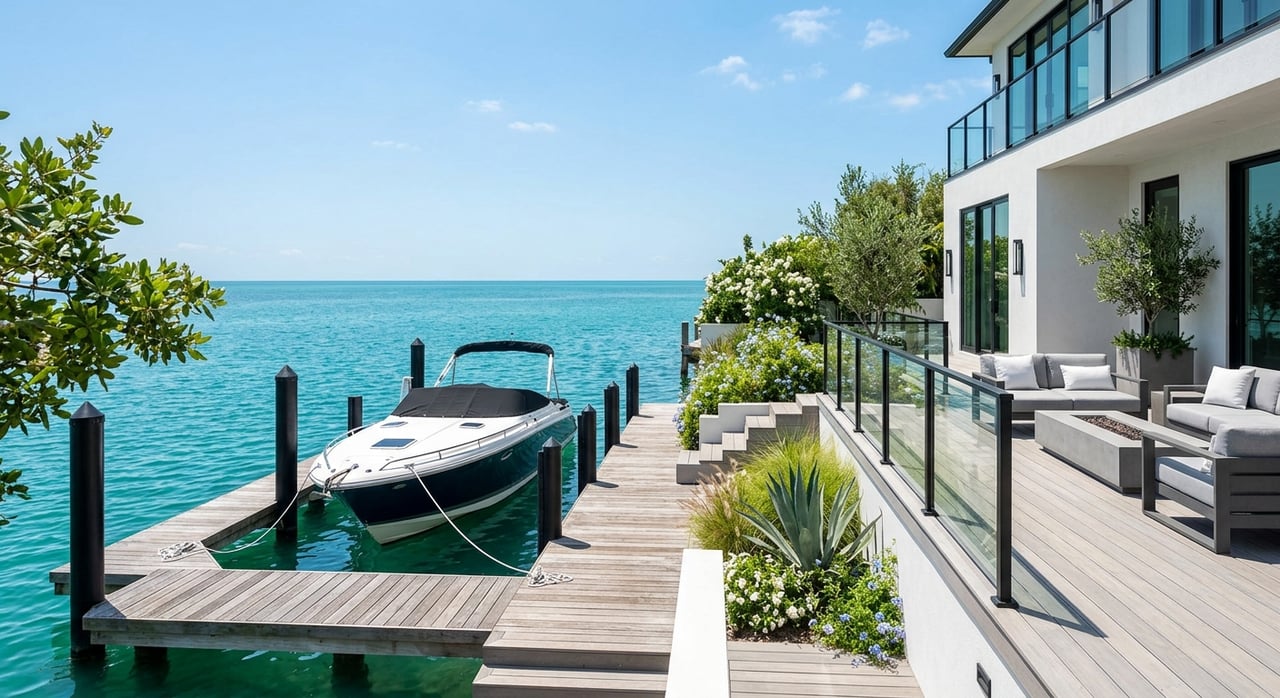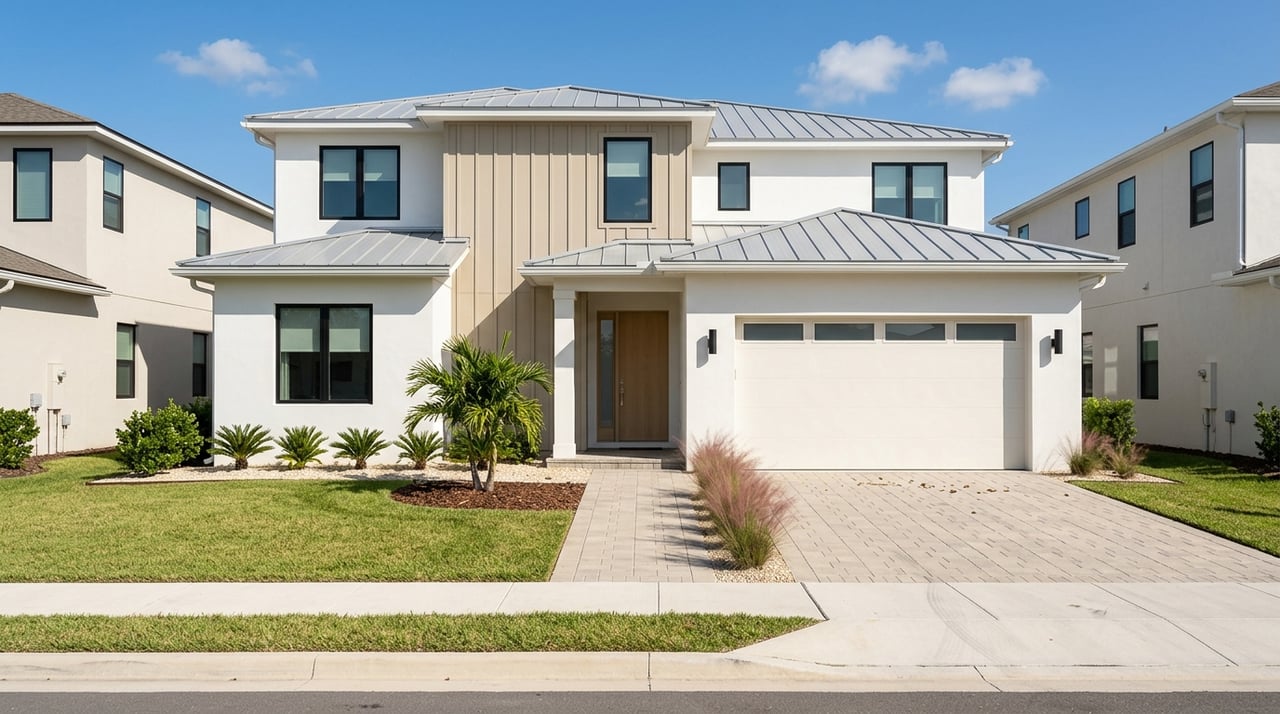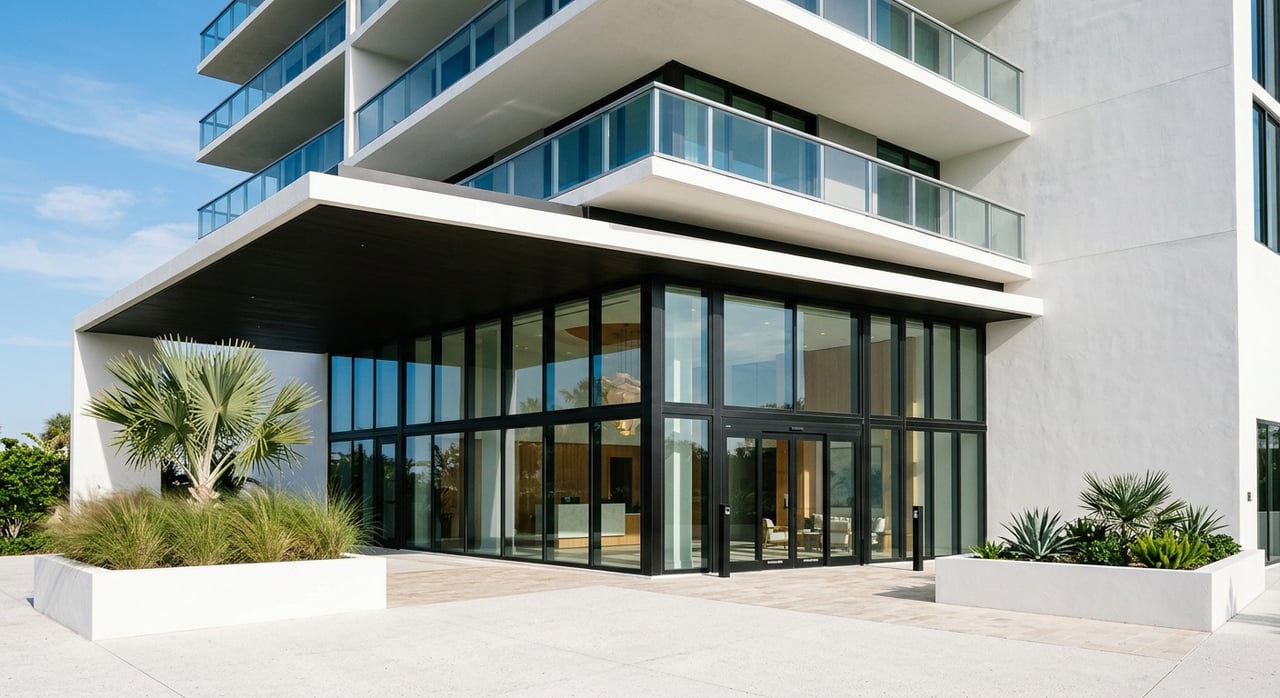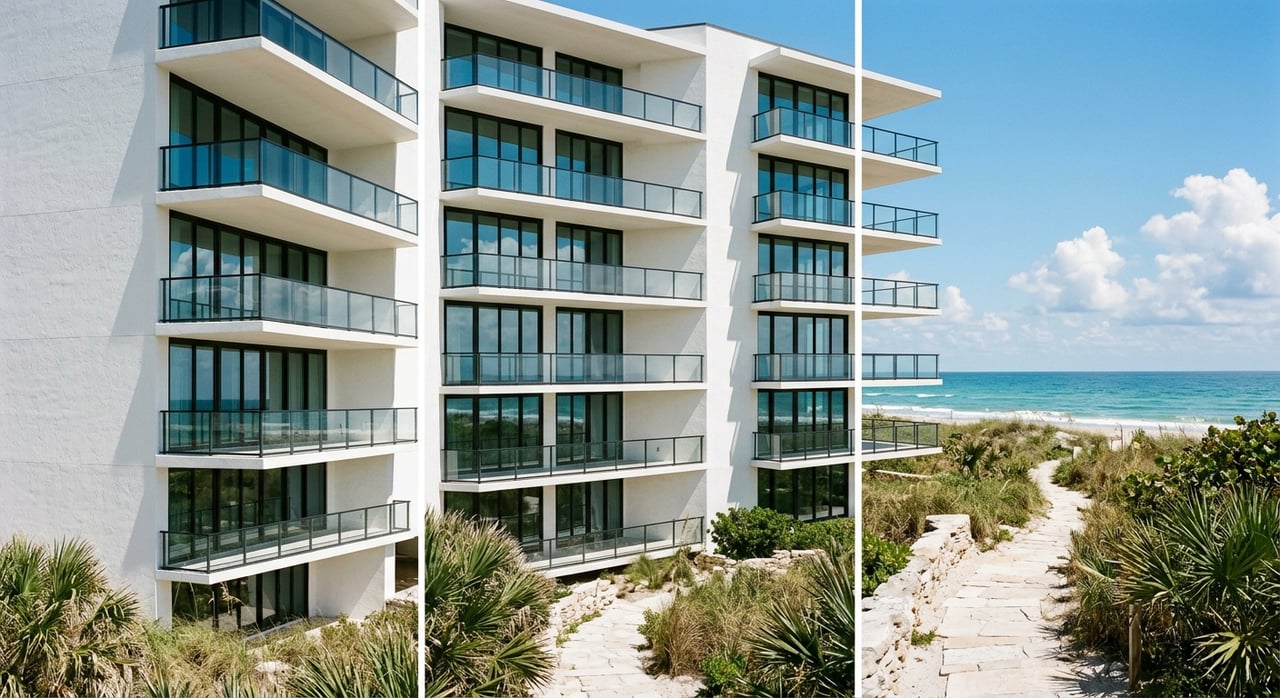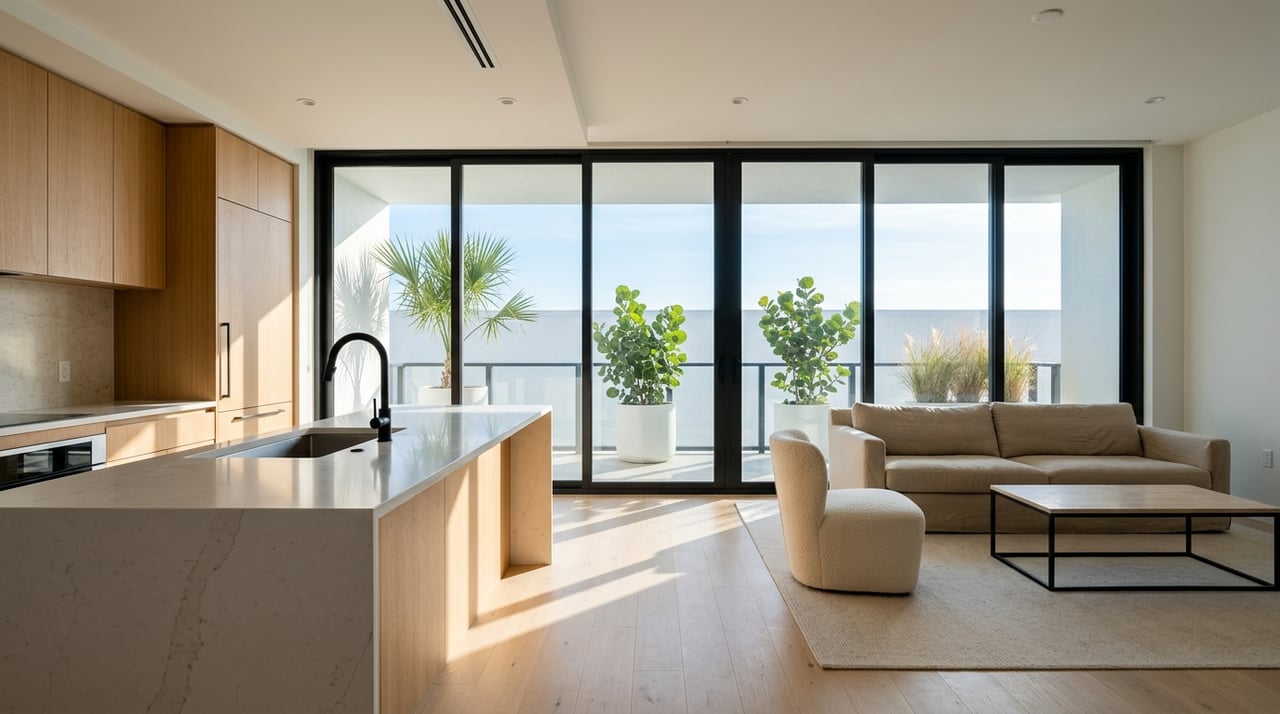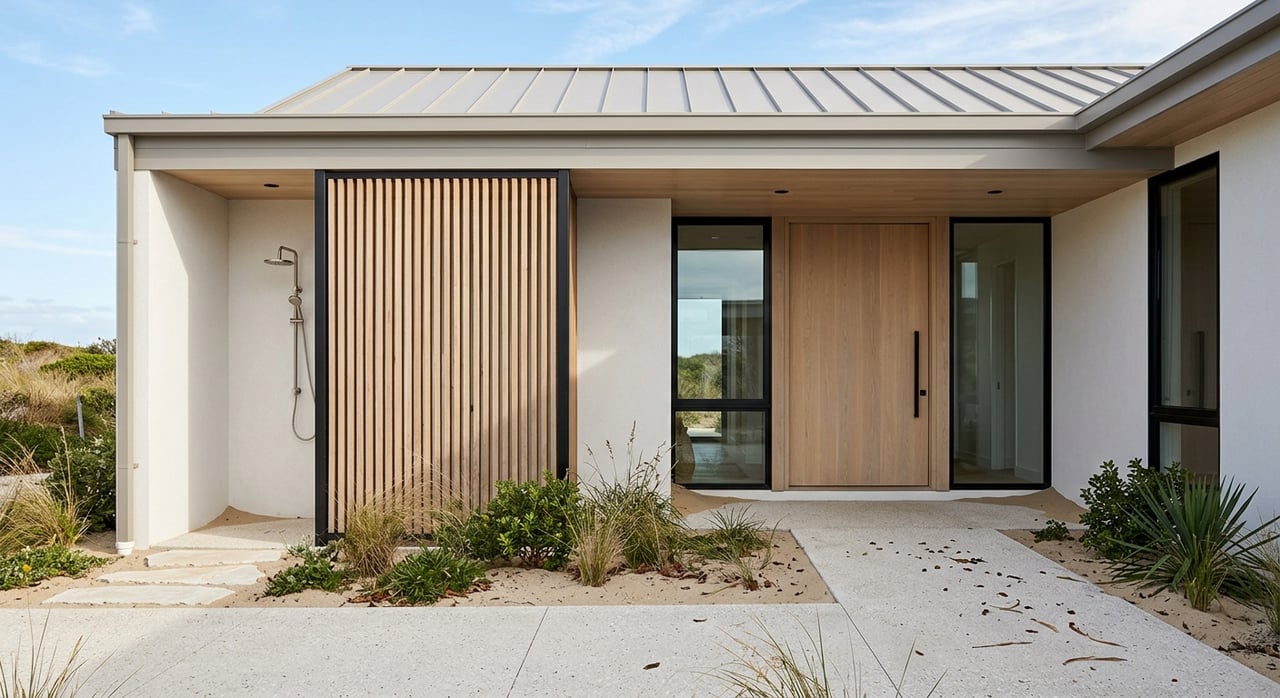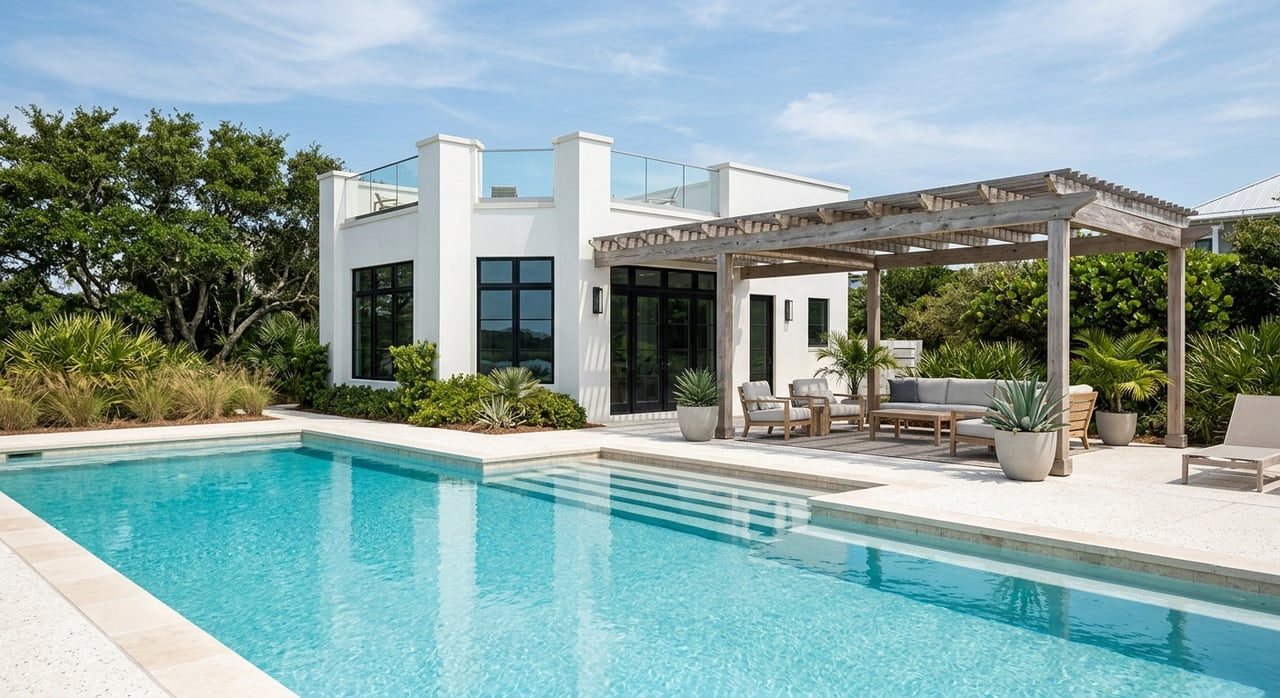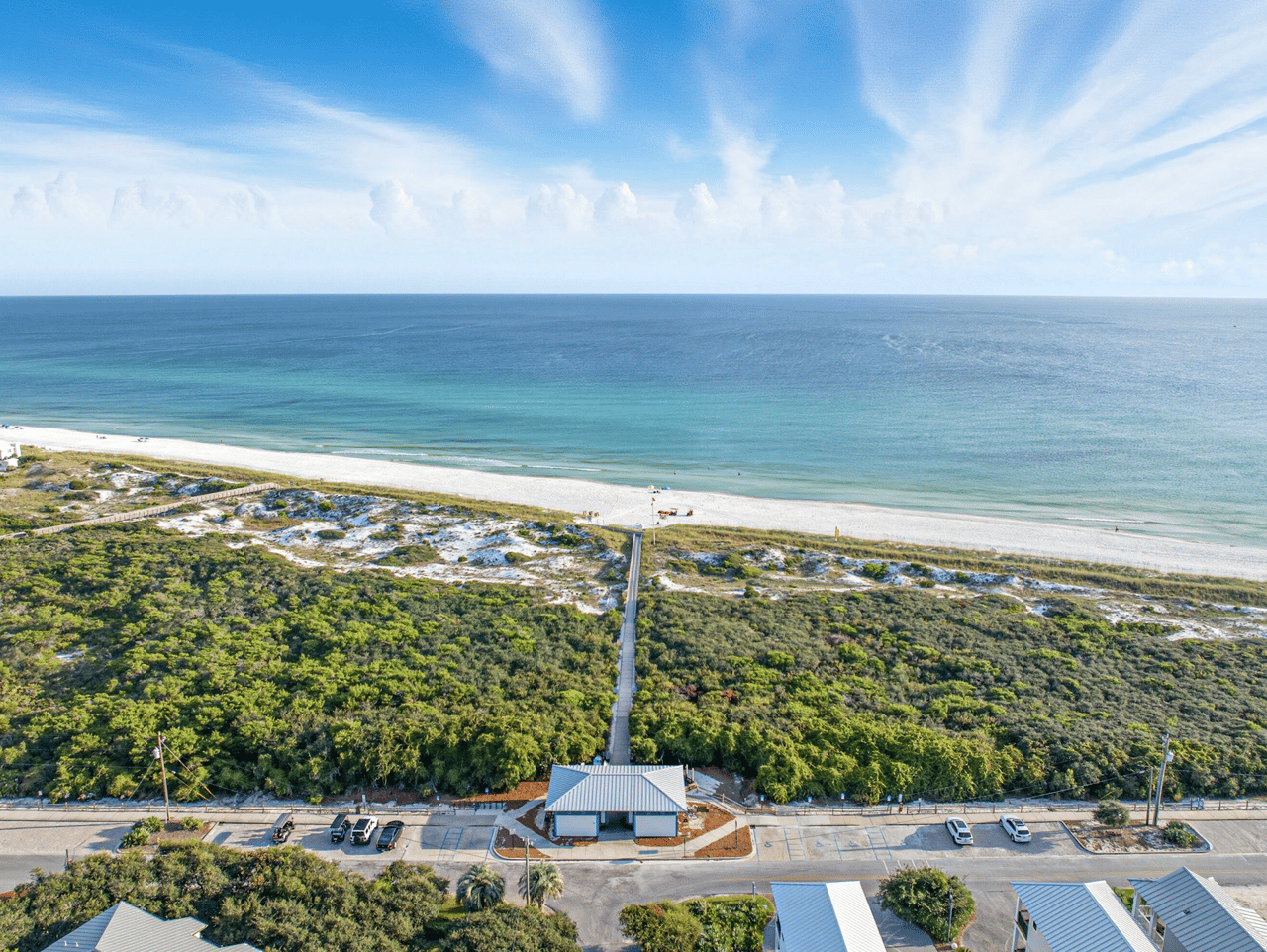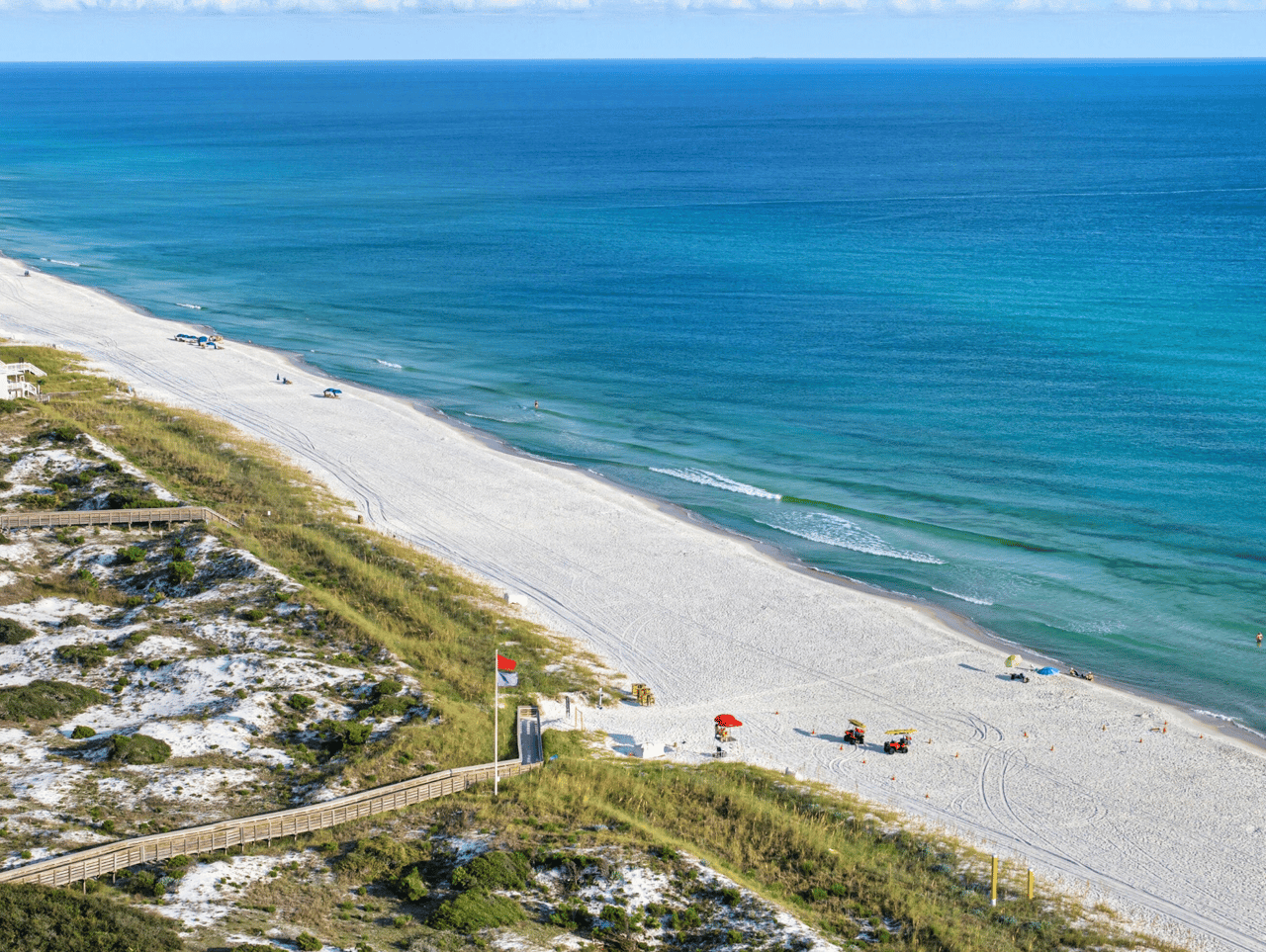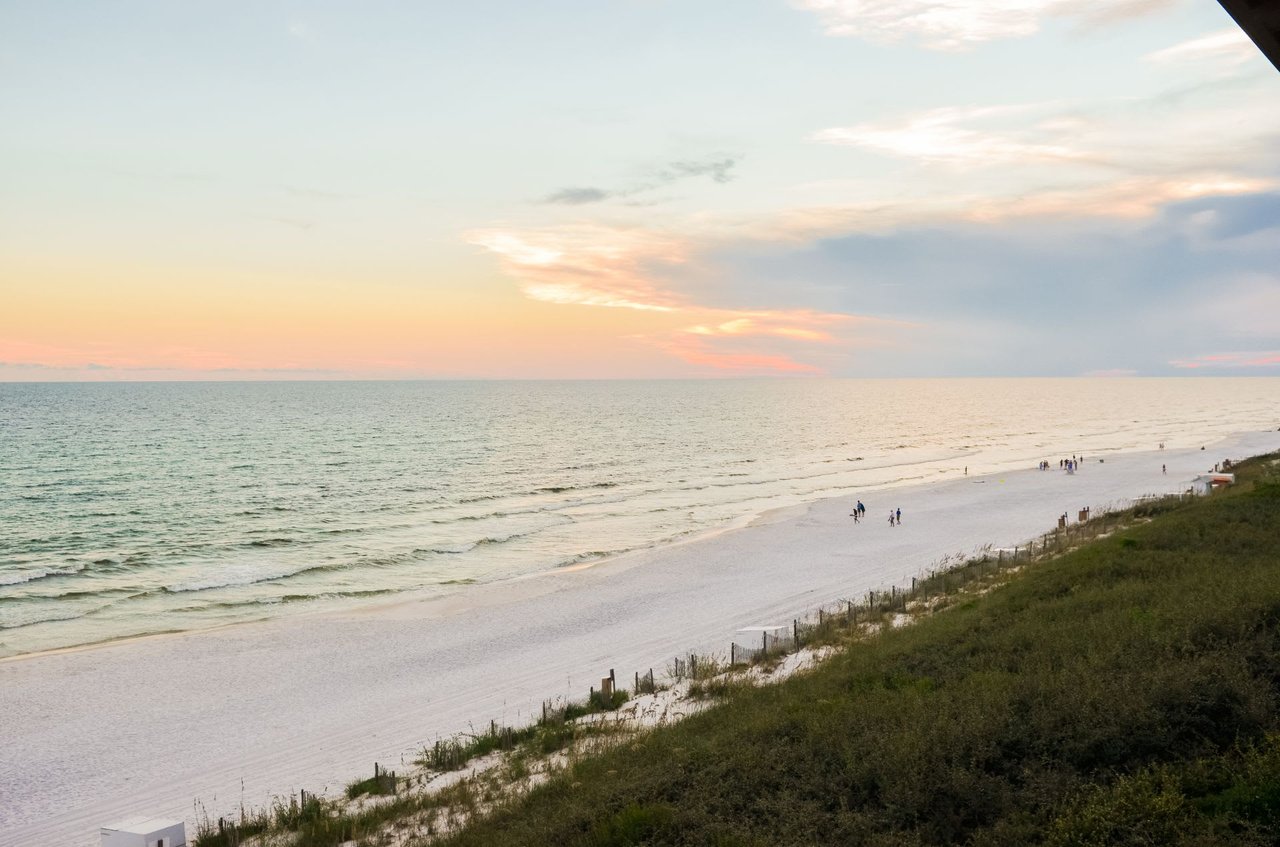
Thinking about buying a beach condo or home in Destin and renting it on a short-term basis? The returns can be strong here, but the rules are specific and the details matter. With the right plan, you can protect your investment, keep guests happy, and stay compliant. In this guide, you’ll learn the core city and state rules, tax steps, HOA considerations, market seasonality, and a practical checklist to help you move forward with confidence. Let’s dive in.
Destin STR rules at a glance
Annual registration and fees
Destin requires an annual short-term rental registration for each property. Registration opens January 1. Late fees kick in after March 31 and again after June 1. The city charges a fee based on the home’s size: up to 2,499 sq ft is $500, 2,500–4,999 sq ft is $600, and 5,000 sq ft or more is $700. You can confirm details in the City’s Short-Term Rental FAQ and fee schedule on the city website.
Required sign and local contact
The City requires a visible 18" x 18" exterior sign with your management contact, emergency contact, occupancy limit, and number of parking spaces. The City places an official decal on the sign, and you must post it within 7 days of registration. A designated local responsible party must be available to respond quickly, with guidance indicating within one hour for emergencies.
Occupancy and parking rules
Overnight occupancy, enforced from 10:00 p.m. to 7:00 a.m., is capped at 2 adults per bedroom plus 4 additional people, with a hard cap of 24 people per property. You must also complete a parking affidavit that follows the City’s parking calculation guidance. Code compliance responds to complaints and may verify your parking count. See the City’s registration instructions and document list on the STR registration page.
State licenses, safety, and taxes
DBPR licensing basics
Vacation rentals that meet Florida’s transient lodging definition fall under state licensing rules. If your property is rented more than three times per year for fewer than 30 days, or is held out to the public as a rental, it likely meets the criteria. The Division of Hotels and Restaurants outlines licensing categories and operator responsibilities in Chapter 61C rules. Review the state’s definition and licensing framework in the DBPR rule text.
Balcony certificates and life-safety
If your building has three or more stories, or balconies 17 feet or higher off the ground, you must have a current DBPR Certificate of Balcony Inspection (Form HR-7020). The certificate is valid for three years and must be maintained on schedule. Confirm your building’s status and plan for any needed repairs or filings. See the HR-7020 requirement and three-year validity in the DBPR administrative code.
Taxes you must collect and remit
Okaloosa County funds local tourism services through a tourist development tax that the County identifies as a 6 percent lodging tax. Owners must register and remit this tax to the County. Learn more from the County’s tourism development materials on the Okaloosa site.
You must also register with the Florida Department of Revenue to collect and remit state sales tax and any local discretionary surtax that applies. Some booking platforms may collect certain taxes on your behalf in some jurisdictions, but you are still responsible for correct registration and filing. See the County’s short-term rental tax guidance and platform notes on its STR page.
HOA and condo rules that affect rentals
Condo and HOA rules can change what, how, or whether you can rent. In Florida condos, amendments that ban or materially restrict rentals generally apply only to owners who consented to the change or to owners who buy after the amendment’s effective date. This grandfathering concept is in Florida Statute §718.110(13). Review the statute text on flsenate.gov.
HOAs operate under Chapter 720. Under §720.306(1)(h), newer rental restrictions usually do not apply retroactively. There is a narrow exception that allows HOAs to adopt minimum lease terms of more than six months or limit the number of annual rentals to three, and apply those to all owners. Always read the recorded CC&Rs and amendments. See the HOA statute language on flsenate.gov.
Common association rules you may encounter include minimum rental terms, caps on the share of units that can be rented, guest screening, and fines for violations. Ask for recorded declarations, rules, recent amendments, and any rental-related board resolutions before you make an offer.
Destin market performance and seasonality
Key metrics and demand
Destin is a strong but seasonal market. Market-wide data shows average annual revenue around $59.8K per listing, average occupancy near 60 percent, and an average daily rate near $460.6. These are market averages, not property-specific projections. Review current market figures and segment trends in the Destin overview.
How seasonality shapes pricing
Peak demand typically runs March and April for spring break, then late May through Labor Day. Holiday weeks and special events can spike rates. Off-peak months like January and February often see slower bookings, but longer winter stays can help. Use weekly minimums and premium weekend pricing in peak weeks, then shorter minimums and targeted midweek promotions in the shoulder season. Consider monthly or seasonal discounts for winter to keep occupancy healthy.
Property and amenity strategy
Choose the right location and building
- Zoning: Confirm the parcel is in a district that allows short-term rentals. Do not assume every residential area in Destin is eligible. The City’s STR pages outline key requirements and contacts for verification.
- Parking: Weigh the parking affidavit and neighborhood dynamics. Limited street parking can create guest friction and compliance risk.
- Safety: For buildings with elevated balconies or three or more stories, verify HR-7020 balcony certificates and recent structural inspections before you buy.
- Association rules: Request the full CC&R packet and any rental amendments in writing. Confirm whether the seller is grandfathered and how rules would apply on transfer under §§718.110 and 720.306.
Amenities that move the needle
- Baseline must-haves: reliable AC, strong Wi-Fi, a stocked kitchen, comfortable bedding, and clear house rules for trash, noise, and parking.
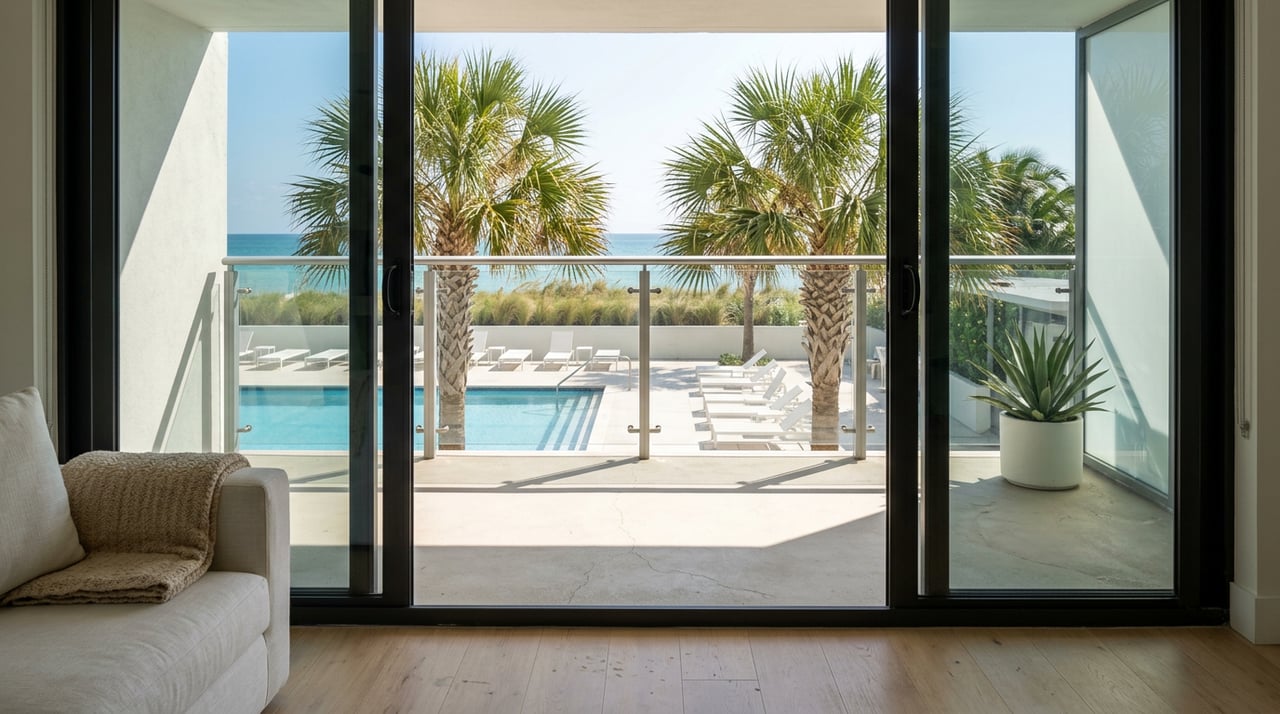
- Differentiators: proximity to the beach or water, private or community pool access, dedicated parking, elevator access for upper floors, quality balcony views where applicable, and family-friendly extras like beach gear or a pack-and-play. Local data shows these features can lift ADR and occupancy.
Management and compliance game plan
Self-manage or hire a manager
If you self-manage, you keep more of the gross revenue but you must be ready for 24/7 issues and the City’s local responsible-party requirement. Professional managers often charge 20 to 30 percent in many markets, but fees vary. Make sure any approach you choose can respond locally within one hour in emergencies and can handle guest screening, cleanings, and compliance renewals.
Stay ahead on compliance
Post the required sign, keep your registration current, and place occupancy and parking rules in your listing and house manual. Build a parking plan into guest messaging. Track tax filing calendars, and confirm which taxes your platform remits versus what you still need to file. A simple compliance calendar can prevent costly fines and last-minute scrambles.
Your Destin STR due diligence checklist
Use this buyer-ready list before you write an offer:
- Confirm zoning and STR eligibility with the City. Start with the City’s STR resources and contacts listed in the registration page.
- Review association documents: recorded declarations, rules, and all rental-related amendments. Compare your situation to condo statute §718.110(13) and HOA statute §720.306(1)(h) using the texts on flsenate.gov and flsenate.gov.
- Verify City STR rules, fee schedule, occupancy formula, and the required exterior sign in the City’s STR FAQ on the city site.
- Confirm DBPR licensing needs and HR-7020 balcony certificate status if the building is three or more stories. See the DBPR rules here and here.
- Set up tax accounts: Florida DOR for state sales tax and the Okaloosa County tourist development tax account using the County’s guidance here.
- Confirm parking capacity and craft guest parking instructions that match the City affidavit and neighborhood constraints.
- Get local quotes for property management and insurance that reflect STR use and coastal exposure.
Ready to narrow your property search and model returns with local context? Let’s talk about zoning, HOA fit, revenue potential, and a clean compliance path that fits your goals. Connect with Steve Philpot to get started.
FAQs
What are Destin’s max occupancy rules for short-term rentals?
- The City enforces 2 adults per bedroom plus 4 additional people, with a hard cap of 24 people, from 10:00 p.m. to 7:00 a.m.
Do I need a local contact for my Destin rental?
- Yes. You must designate a local responsible party who can respond quickly, with guidance indicating within one hour for emergencies.
What taxes do Destin hosts need to collect?
- Okaloosa County collects a 6 percent tourist development tax, and you must also register with the Florida Department of Revenue to collect and remit state sales tax and any local surtax that applies.
How do condo and HOA rules impact short-term rentals in Destin?
- Condo rental restrictions often apply only to consenting or future owners under §718.110(13), while HOAs under §720.306(1)(h) have a narrow exception that can apply new short-term limits to all owners. Always review recorded documents and amendment dates.
Do I need a balcony inspection certificate for a Destin condo?
- If your building is three or more stories or has elevated balconies meeting the criteria, you need a DBPR HR-7020 balcony certificate, which is valid for three years.