How to Analyze a Beach Investment Property on the Emerald Coast
Analyzing a beach investment property on Florida’s Emerald Coast — especially in Santa Rosa Beach and along 30A — requires a different approach than evaluating traditional rental real estate. Coastal vacation markets depend heavily on micro-location, tourism demand, seasonality, and property-specific amenities.
For investors, accurate underwriting determines whether a Santa Rosa Beach acquisition produces strong rental income and appreciation — or underperforms despite similar pricing.
This guide outlines the step-by-step framework investors use to evaluate beach investment properties on the Emerald Coast in 2026.
Step 1: Evaluate Micro-Location Quality
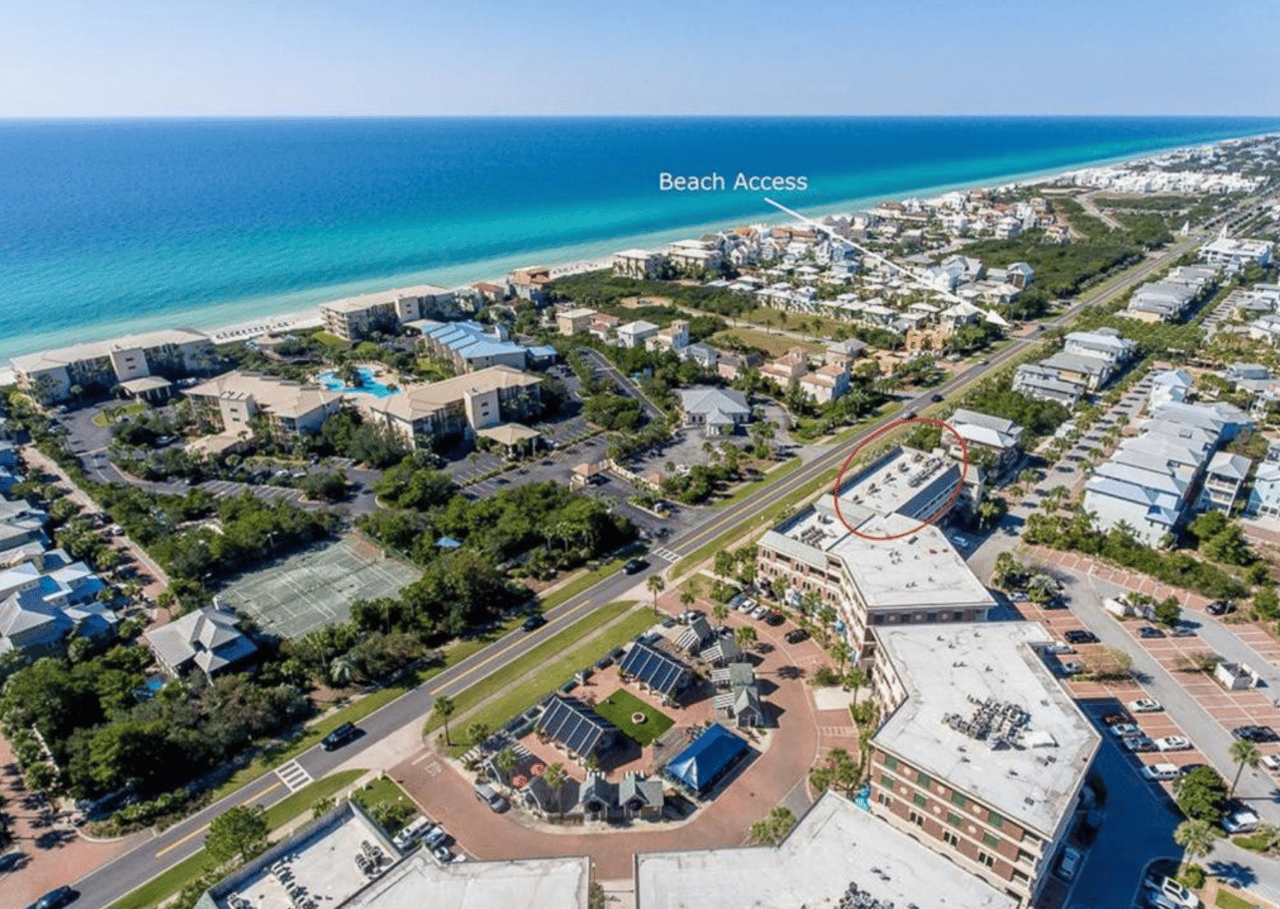
In coastal markets, location quality drives rental income more than property size or finishes.
Key location factors:
-
Walkable beach access
-
Distance to 30A
-
Neighborhood prestige
-
Gulf view or proximity
-
Community amenities
-
Commercial proximity
-
Traffic and parking
Two similar homes in different micro-locations can vary in STR income by $50K+ annually.
Always evaluate street-level desirability — not just city or ZIP code.
Step 2: Confirm Rental Eligibility (STR vs LTR)
Before analyzing income, investors must verify allowable rental strategy.
Important checks:
-
County zoning
-
HOA restrictions
-
Community rental rules
-
Minimum stay requirements
-
Local STR ordinances
Santa Rosa Beach is generally STR-friendly, but specific neighborhoods or HOAs may limit short-term rentals.
Incorrect assumptions about rental use are a common investor mistake.
Step 3: Identify True Rental Comps
STR income should be based on comparable rental properties — not listing descriptions or seller projections.
Reliable comps match:
-
Bedroom count
-
Location proximity
-
Amenities (pool, parking, view)
-
Design quality
-
Guest capacity
-
Beach access distance
Key metrics to analyze:
-
Annual gross revenue
-
Occupancy rate
-
Average nightly rate
-
Seasonal variation
Local rental data is essential for accuracy.
Step 4: Estimate Gross Rental Income
After reviewing comps, estimate realistic annual revenue.
Typical Santa Rosa Beach STR ranges:
-
Condo: $45K–$85K
-
3-bed home: $80K–$140K
-
4–5 bed home: $120K–$250K
-
Luxury home: $250K+
Adjustments should reflect:
-
Property condition
-
Amenity upgrades
-
Beach proximity
-
Market positioning
-
Management quality
Overestimating revenue is the most common underwriting error.
Step 5: Model Operating Expenses
Coastal STR properties carry higher operating costs than traditional rentals.
Typical Santa Rosa Beach expense ratios:
-
Management: 15–25%
-
Cleaning/turnover: 8–12%
-
Maintenance: 5–8%
-
Utilities: 4–6%
-
Insurance: 5–10%
-
Taxes: 1–2%
Total: 35–50% of gross
Example:
Gross: $140K
Expenses: $60K
Net: $80K
Accurate expense modeling determines cap rate and ROI.
Step 6: Calculate Cap Rate and Cash Flow
Cap rate measures income yield relative to purchase price.
Formula:
Cap Rate = Net Operating Income ÷ Price
Example:
Purchase: $1.4M
Net income: $80K
Cap rate: 5.7%
Investors also evaluate:
-
Debt service
-
Cash flow after financing
-
Return on equity
Both leveraged and unleveraged returns matter.
Step 7: Evaluate Appreciation Potential
Coastal investments rely heavily on long-term appreciation.
Key appreciation drivers:
-
Beach proximity
-
30A corridor location
-
Neighborhood prestige
-
Limited supply
-
Buyer demand
-
Lot scarcity
Properties closer to Gulf access and within established 30A communities historically appreciate faster.
Appreciation often equals or exceeds rental income over time.
Step 8: Assess Property Condition and Amenities
Physical features significantly impact rental performance.
High-value STR amenities:
-
Private pool
-
Multiple parking spaces
-
Outdoor living areas
-
Modern coastal design
-
Updated kitchens/baths
-
Gulf views
-
Elevator (luxury tier)
Homes lacking expected amenities often underperform comps.
Renovation potential should be included in analysis.
Step 9: Analyze Seasonality and Occupancy
Emerald Coast STRs experience seasonal demand patterns.
Typical Santa Rosa Beach occupancy:
-
Summer: peak
-
Spring/Fall: strong
-
Winter: moderate
Larger homes and premium locations maintain better shoulder-season bookings.
Annual income modeling must reflect seasonal reality.
Step 10: Evaluate Insurance and Risk Factors
Coastal underwriting must account for:
-
Wind insurance
-
Flood zones
-
Storm exposure
-
Elevation
-
Construction type
Insurance costs vary widely by:
-
Distance to water
-
Age of structure
-
Roof type
-
Elevation
Ignoring insurance impact can distort ROI calculations.
Step 11: Model Total Return
Beach investments should be evaluated using total return, not income alone.
Total return includes:
-
Net rental income
-
Appreciation
-
Loan amortization
-
Tax benefits
Example:
Net income: $75K
Appreciation: $80K
Total return: $155K
This hybrid return structure is typical in Santa Rosa Beach.
Step 12: Compare Alternative Investments
Sophisticated investors compare multiple options:
-
Different neighborhoods
-
Property types
-
STR vs LTR
-
Price tiers
Best investment is not always highest cap rate — location quality often wins long-term.
Common Beach Investment Analysis Mistakes
Investors often misjudge coastal properties due to:
-
Using non-comparable comps
-
Ignoring micro-location
-
Overestimating STR income
-
Underestimating expenses
-
Ignoring insurance
-
Focusing only on cap rate
-
Neglecting appreciation
Accurate analysis prevents costly errors.
Why Coastal Analysis Requires Local Expertise
Beach markets vary block-by-block. Successful underwriting requires:
-
Neighborhood demand knowledge
-
Rental performance data
-
Amenity expectations
-
Pricing trends
-
Buyer behavior
-
Insurance realities
Generic national tools rarely capture these nuances.
Working With a Santa Rosa Beach Investment Advisor
Analyzing Emerald Coast properties requires coordinated evaluation of:
-
Rental comps
-
Expense structure
-
Financing
-
Insurance
-
Appreciation potential
-
Exit liquidity
Steve Philpot helps investors analyze Santa Rosa Beach beach properties using local data and investment frameworks to identify high-performing acquisition opportunities.
Frequently Asked Questions About Analyzing Beach Investments
What is the most important factor in beach rental performance?
Micro-location — especially beach proximity and neighborhood desirability — drives income more than property size.
How accurate are seller rental projections?
They are often optimistic. Investors should rely on verified comparable rental data.
What expenses are unique to coastal STR properties?
Insurance, maintenance, cleaning, and management costs are higher than traditional rentals.
Should investors prioritize cap rate or appreciation?
Both matter. Santa Rosa Beach investments typically rely on hybrid returns combining income and appreciation.
Can investors improve rental income after purchase?
Yes. Upgrades, amenities, and professional management can increase occupancy and nightly rates.
About Steve Philpot
Steve Philpot is an Emerald Coast real estate advisor specializing in Santa Rosa Beach and 30A investment properties. He helps investors analyze beach acquisitions, evaluate rental potential, and build Florida Gulf Coast real estate portfolios for income and long-term appreciation.