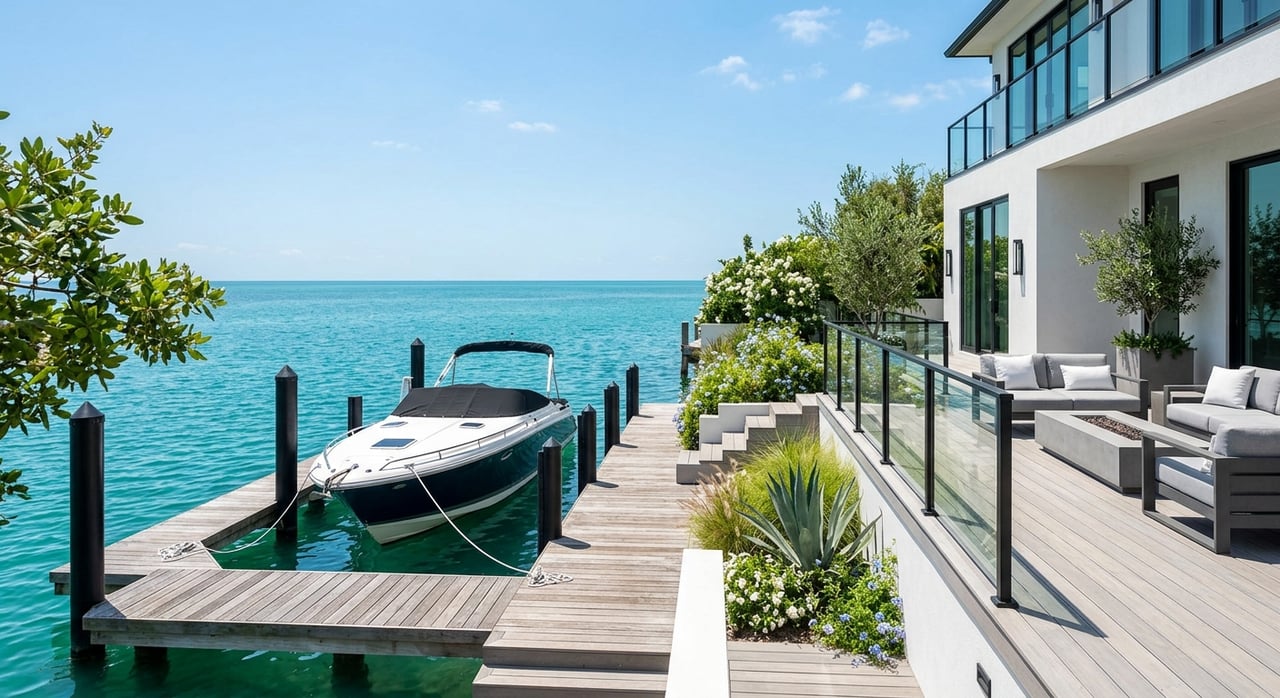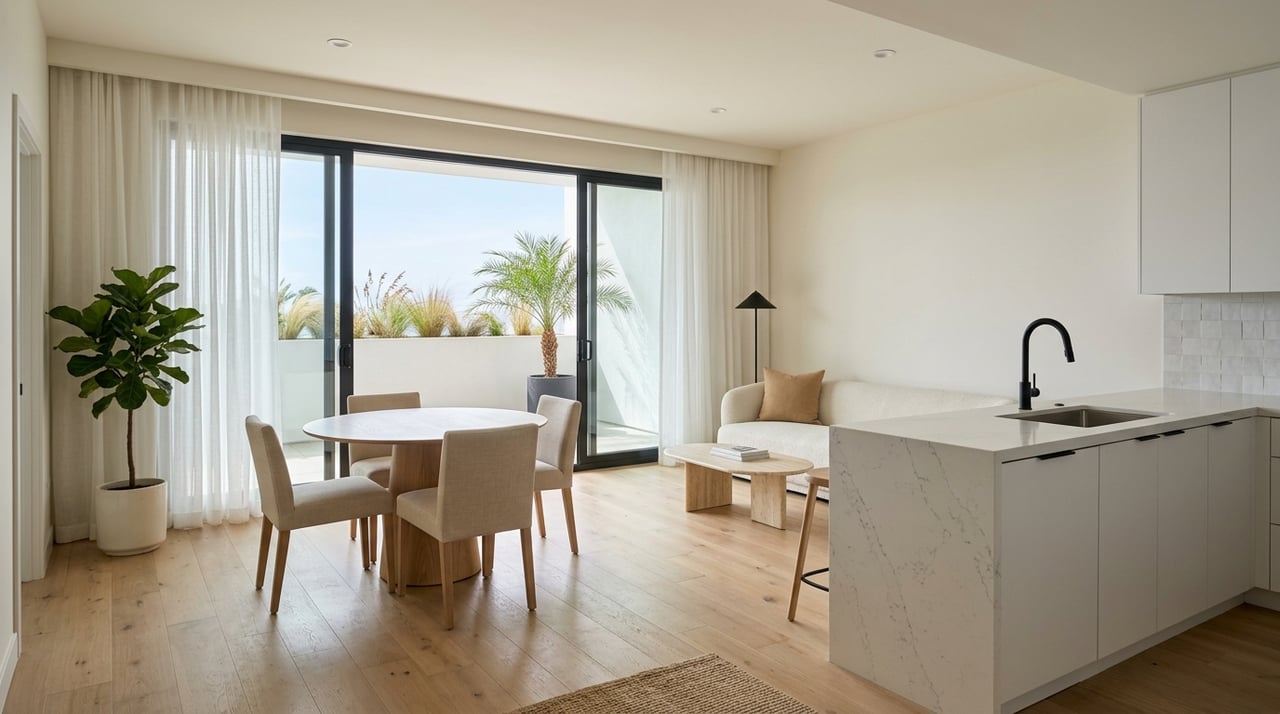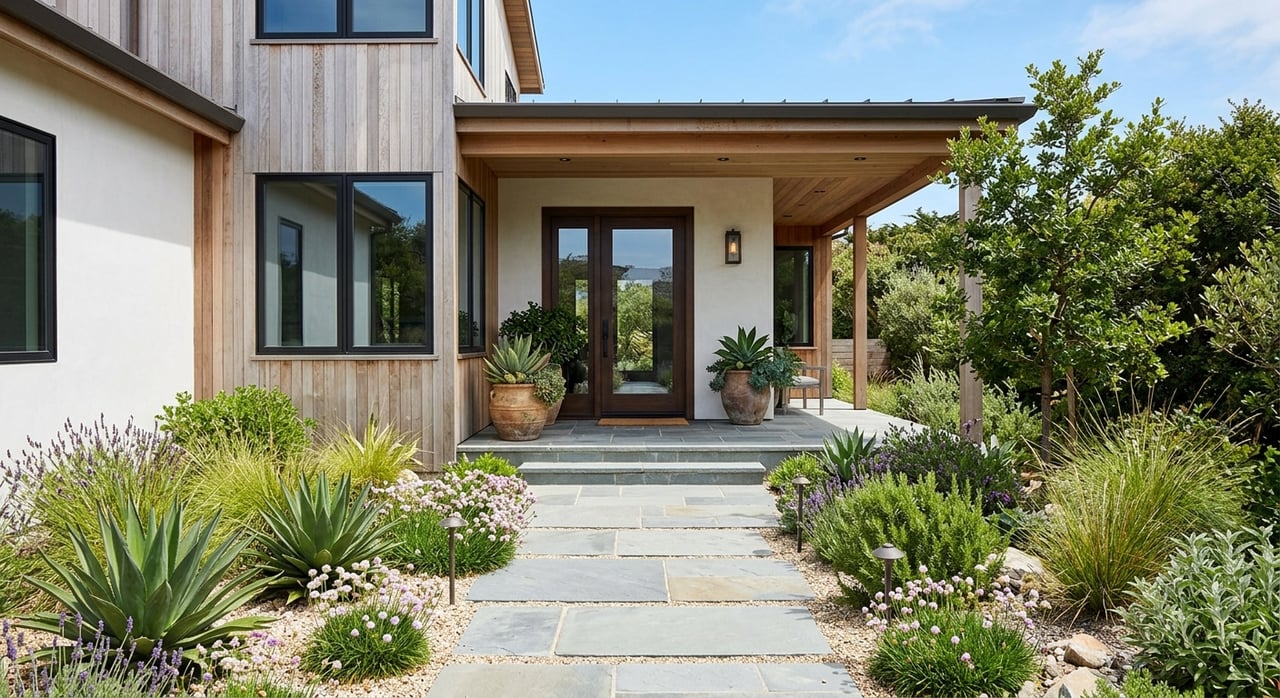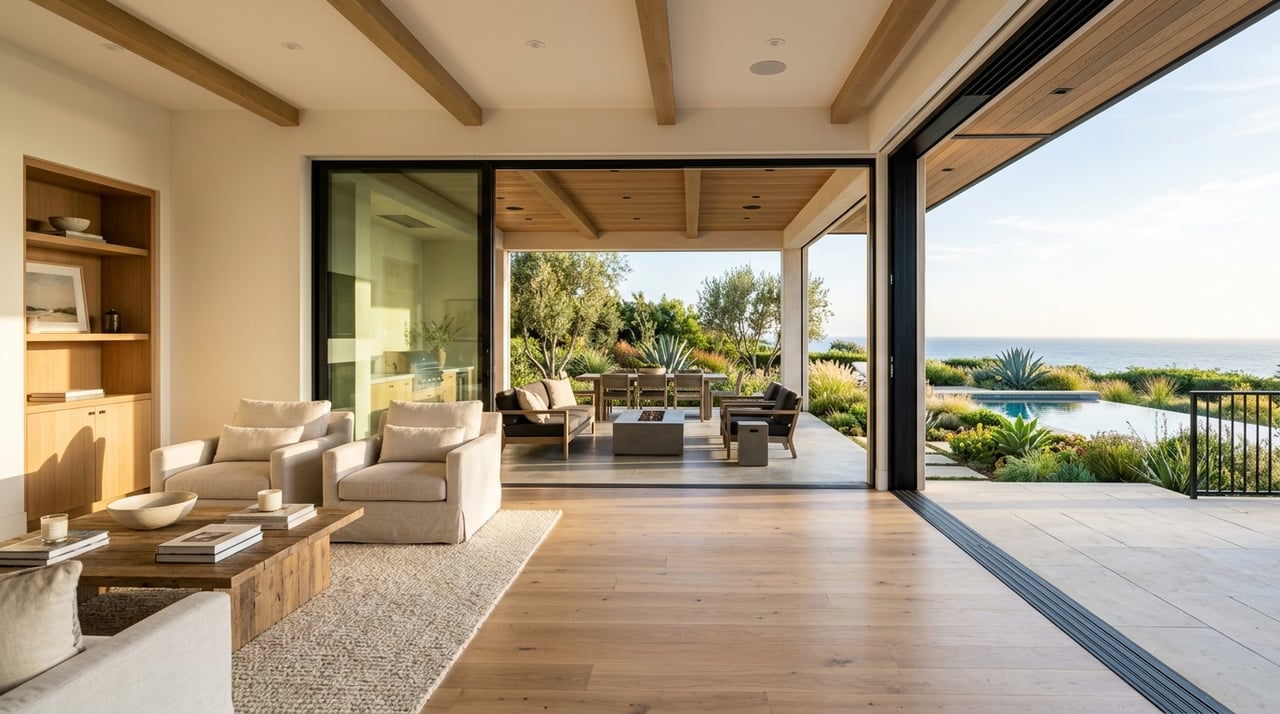
If you are looking at homes along 30A, WaterColor probably stands out fast. It offers a polished coastal setting, a long list of amenities, and a lifestyle that feels more curated than many nearby beach communities. If you want to understand what living or owning here is really like, this guide will help you compare the feel, features, and buyer fit before you make a move. Let’s dive in.
Why WaterColor Gets Attention
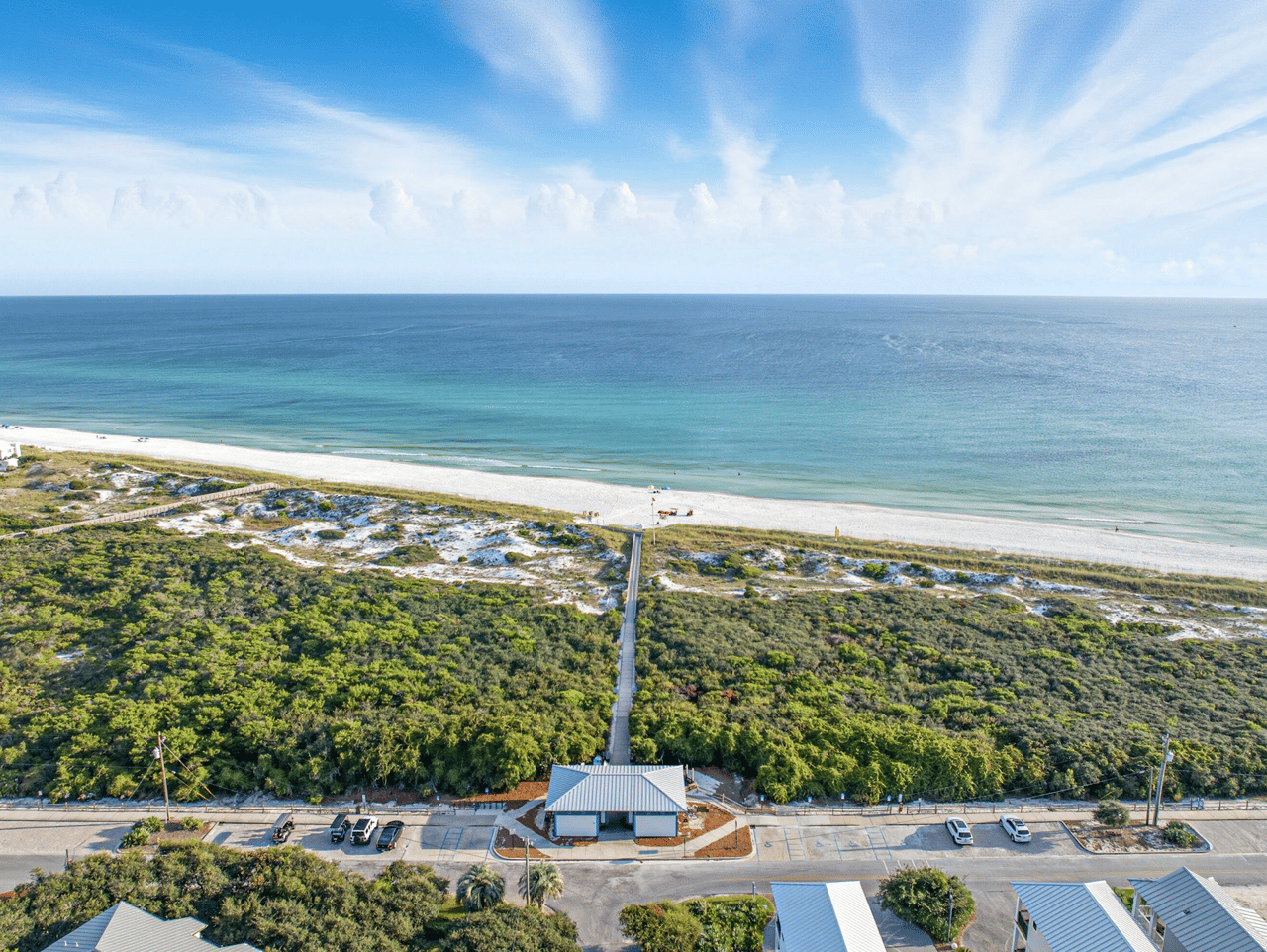
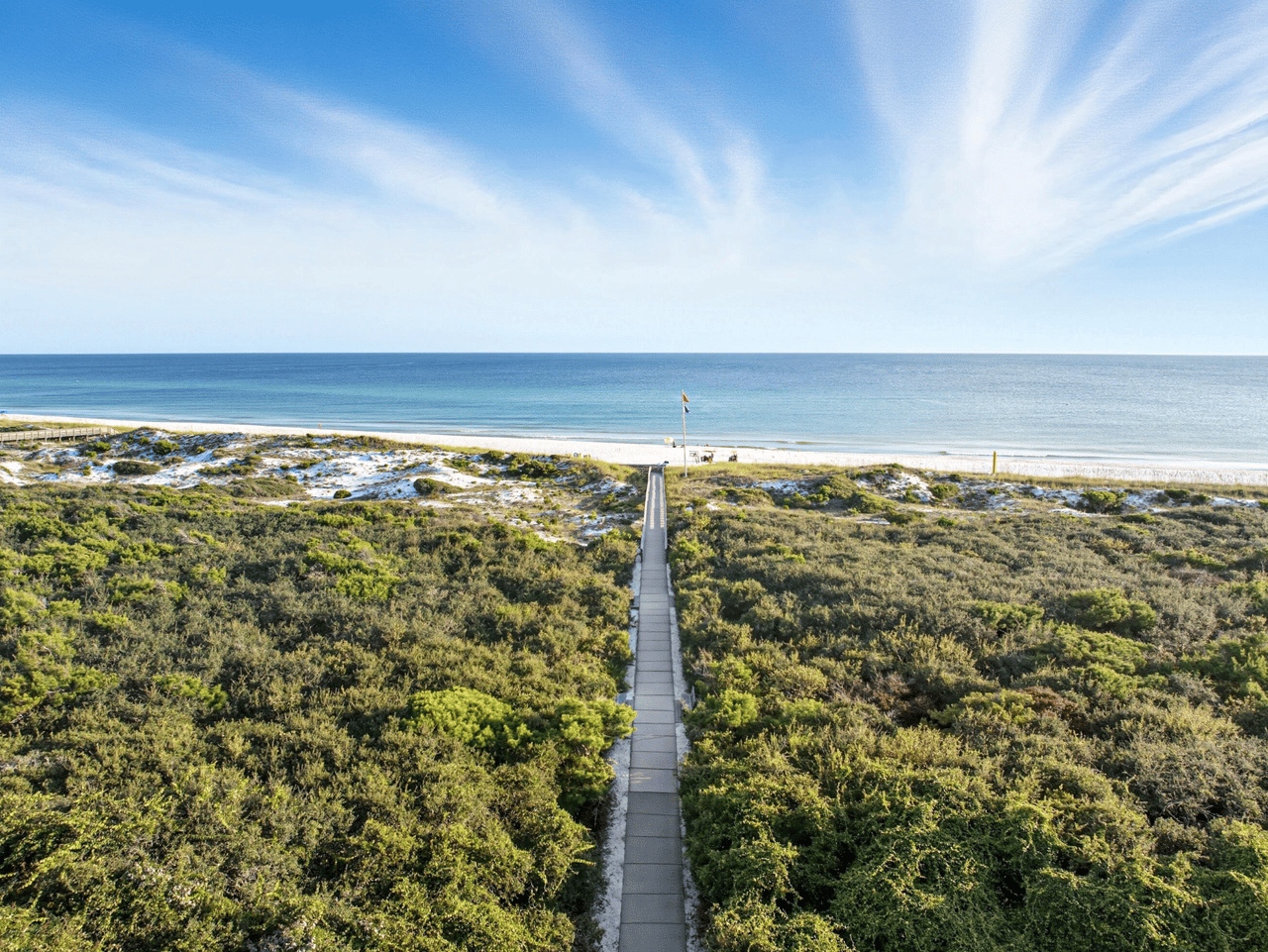
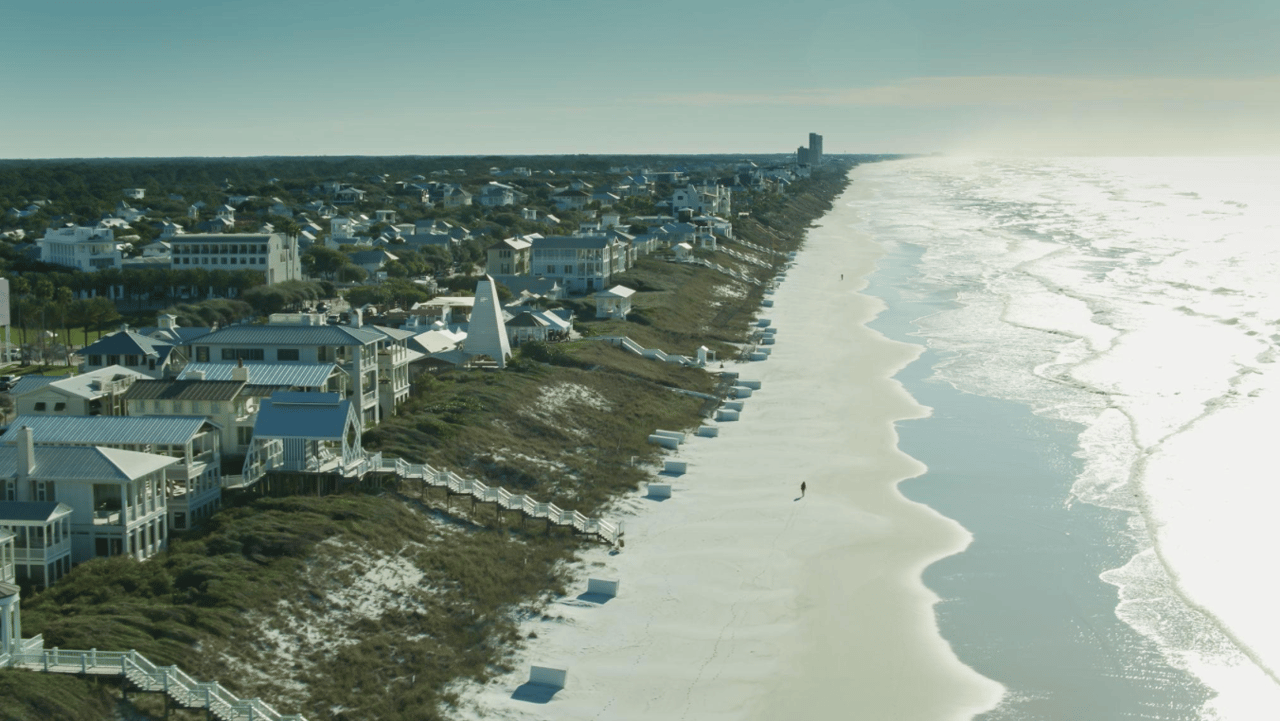
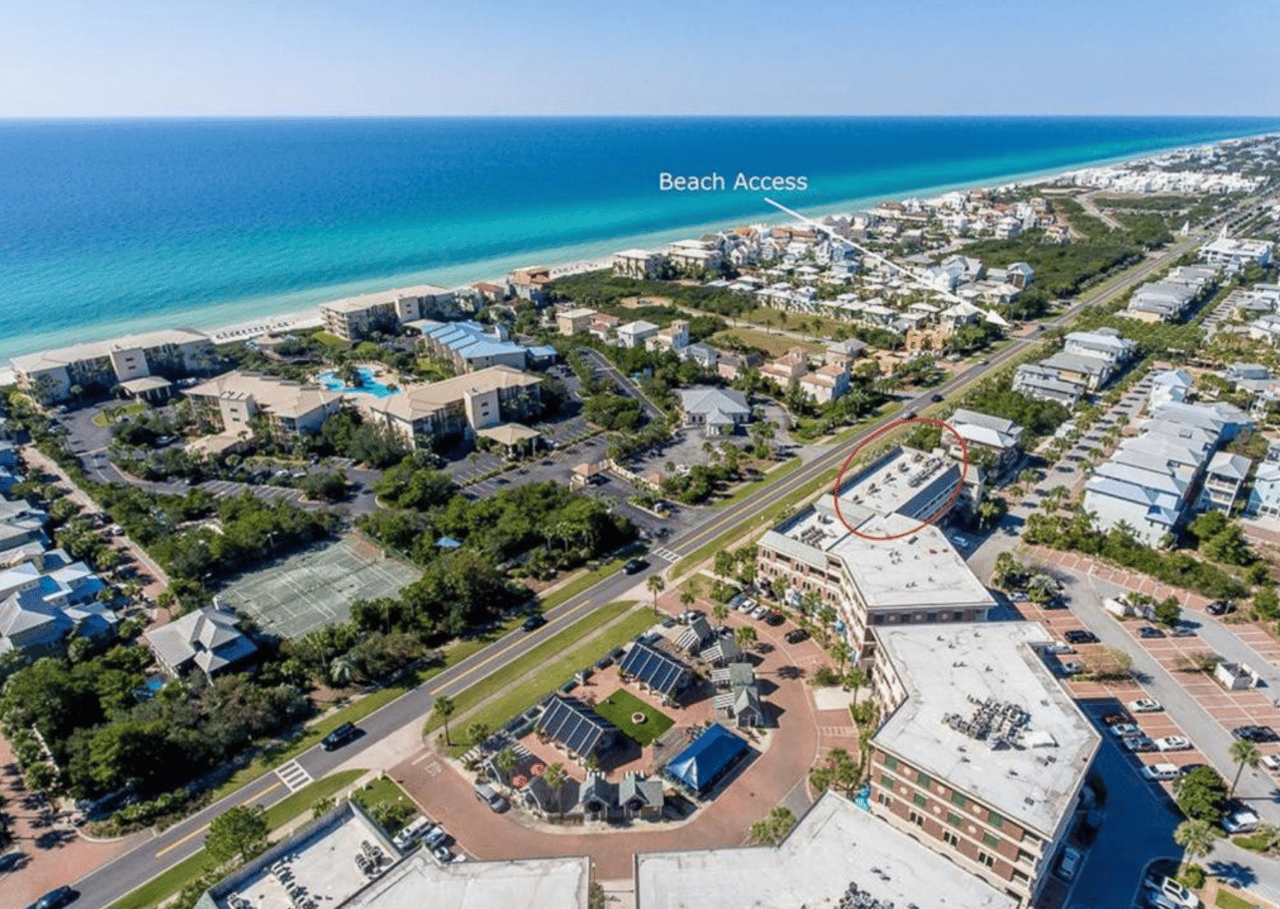
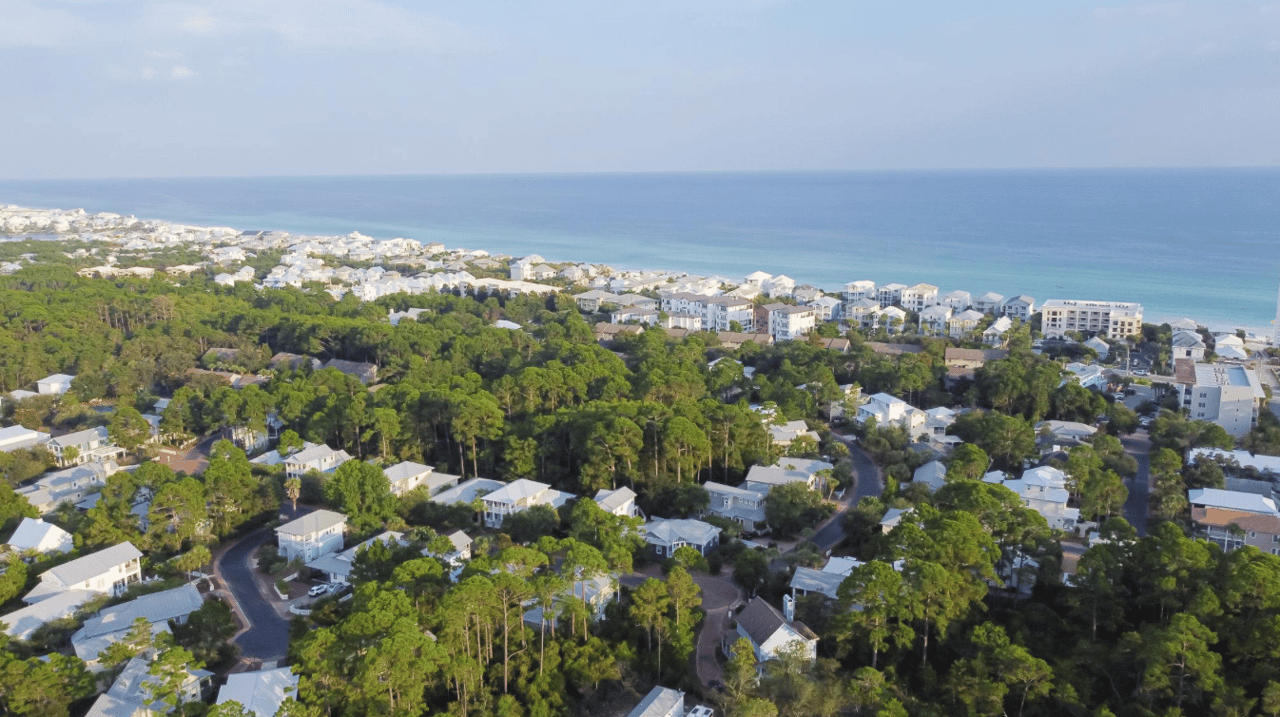
WaterColor is a master-planned community in Walton County along Scenic Highway 30A. According to the WaterColor HOA FAQ, the community spans 499 acres, with nearly half set aside for common area or preserve land.
That scale matters when you are comparing 30A neighborhoods. WaterColor is not just a collection of beach homes. It is a fully planned community with approximately 1,021 completed homes and a full build-out target of 1,063 homes, which gives buyers a clearer sense of its long-term footprint.
WaterColor's Overall Feel
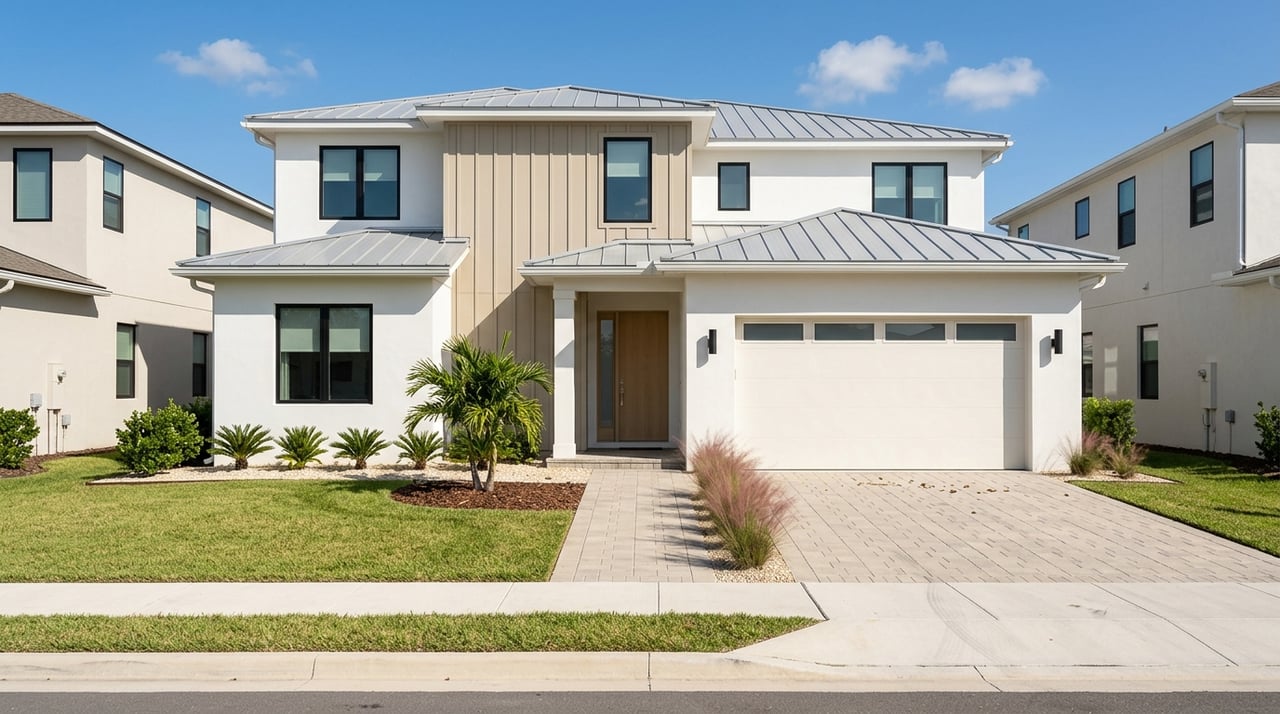
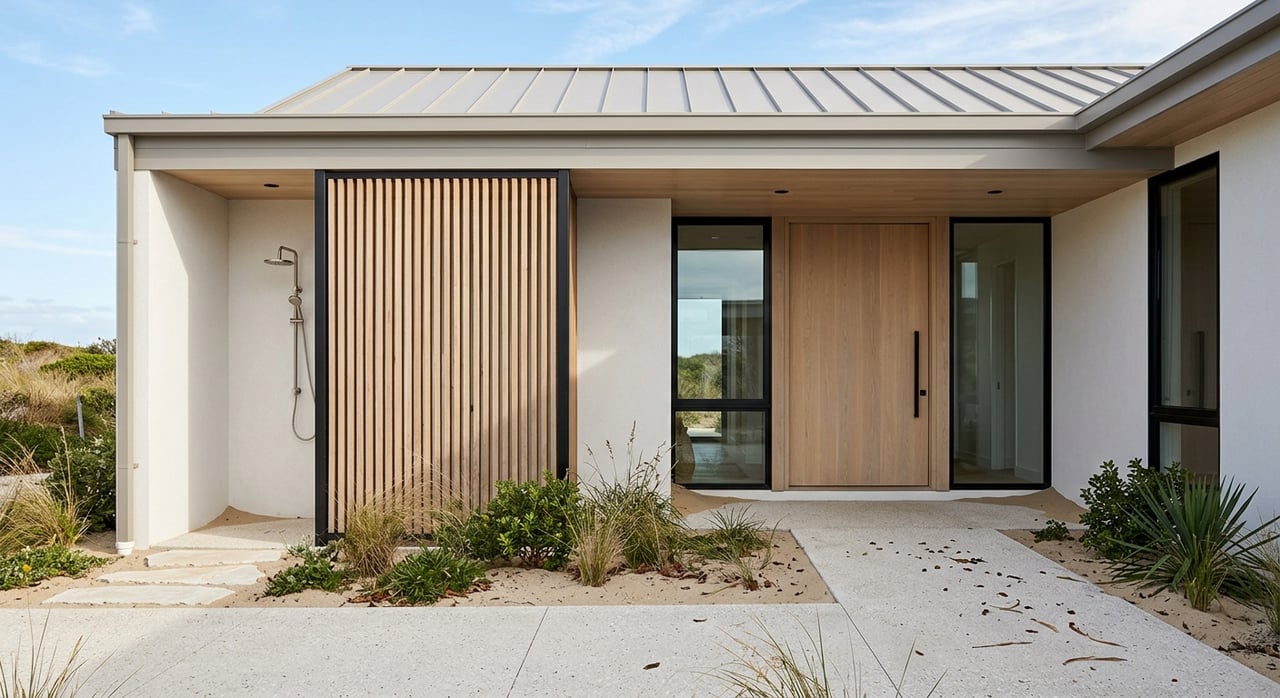
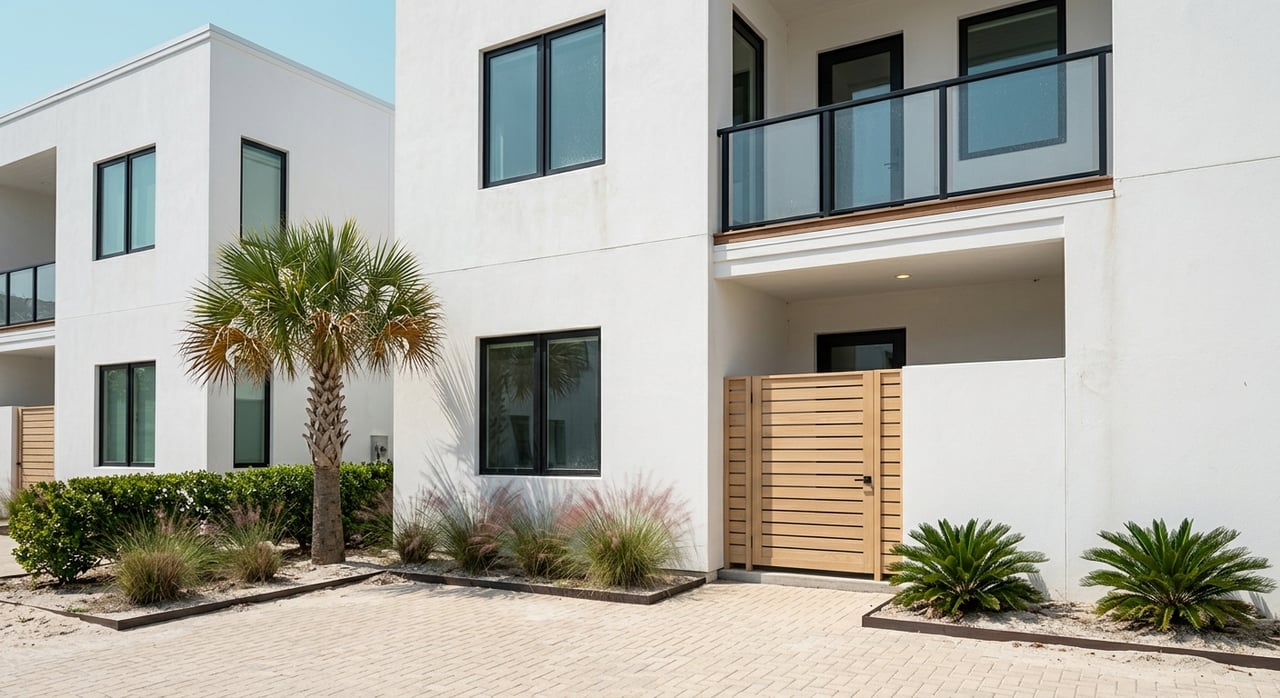
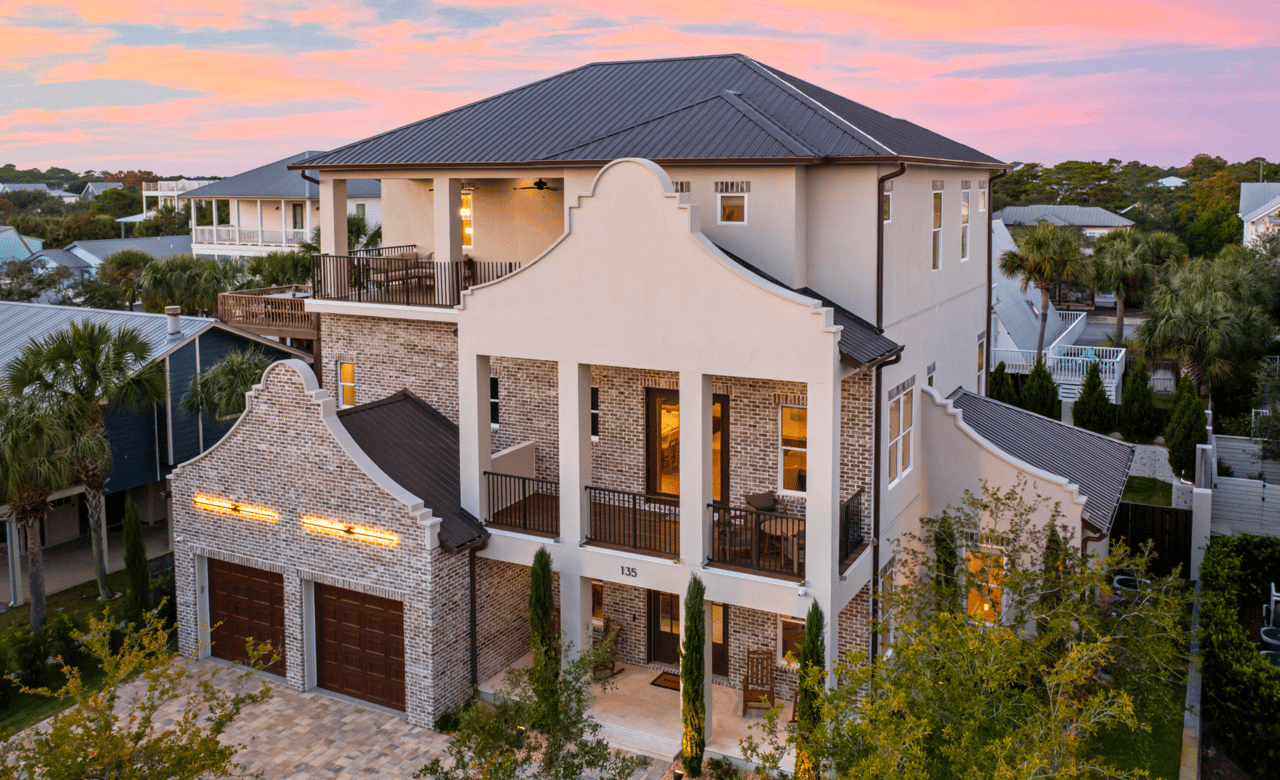
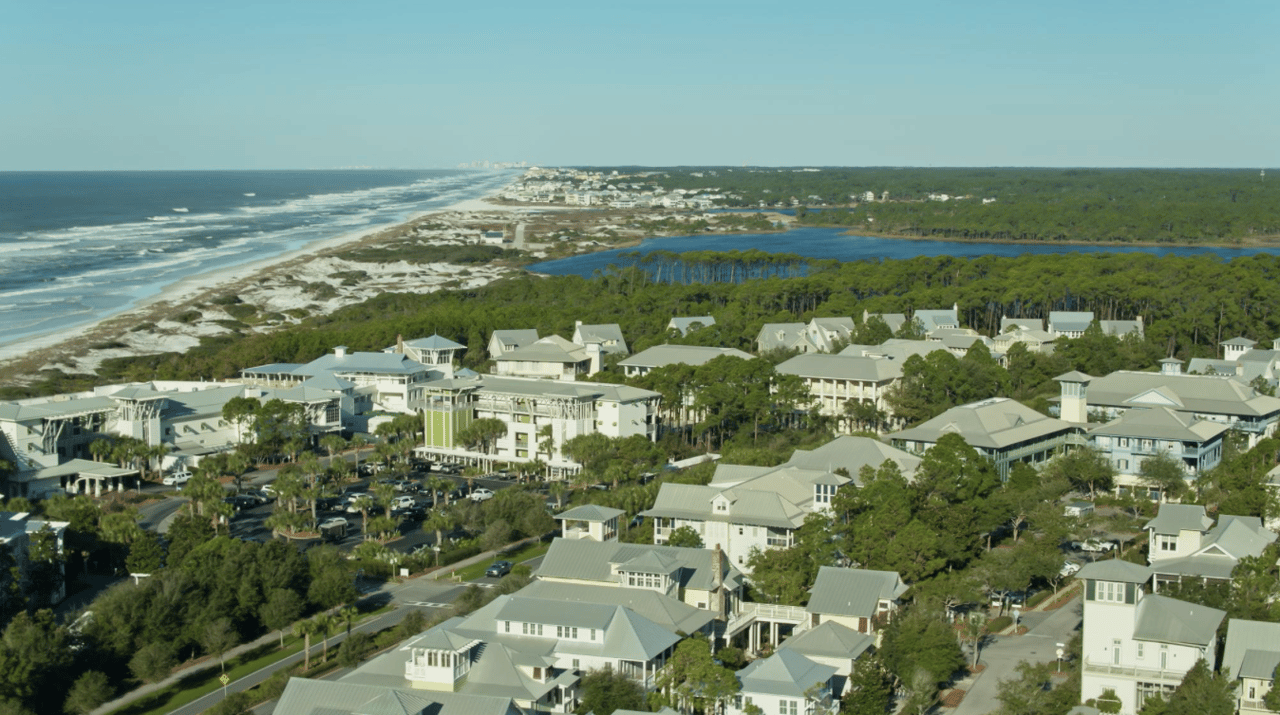
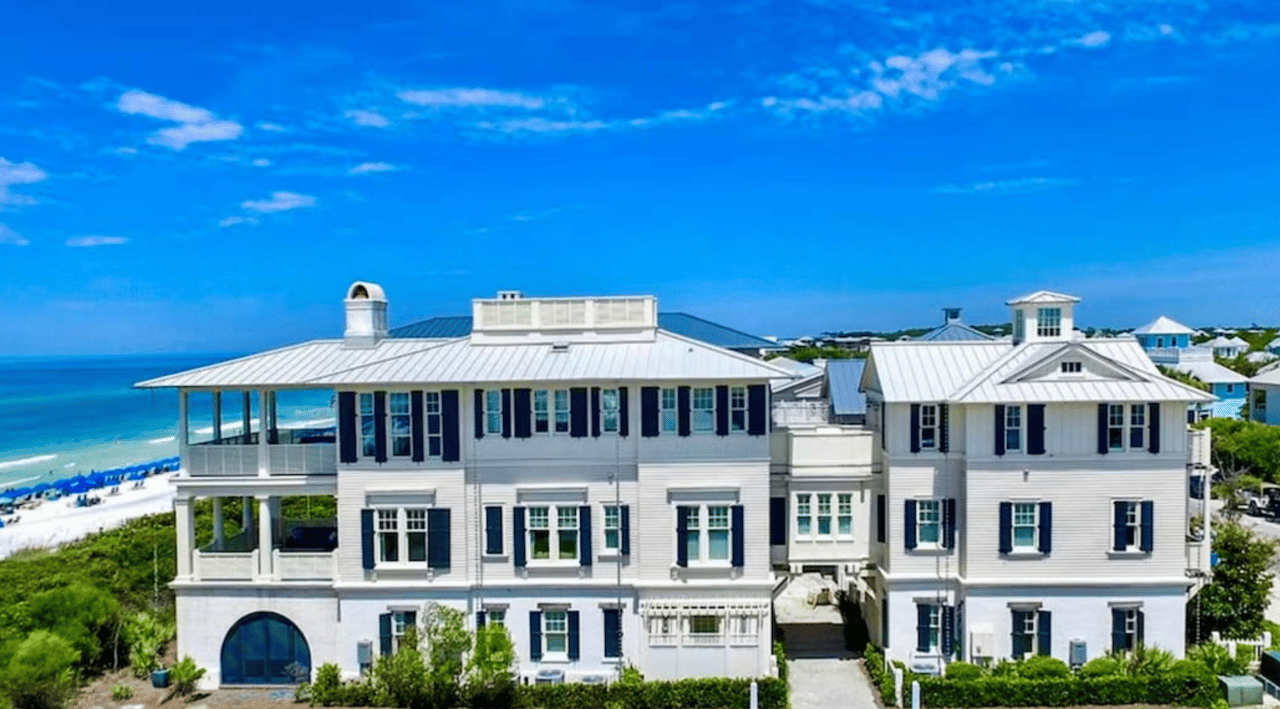
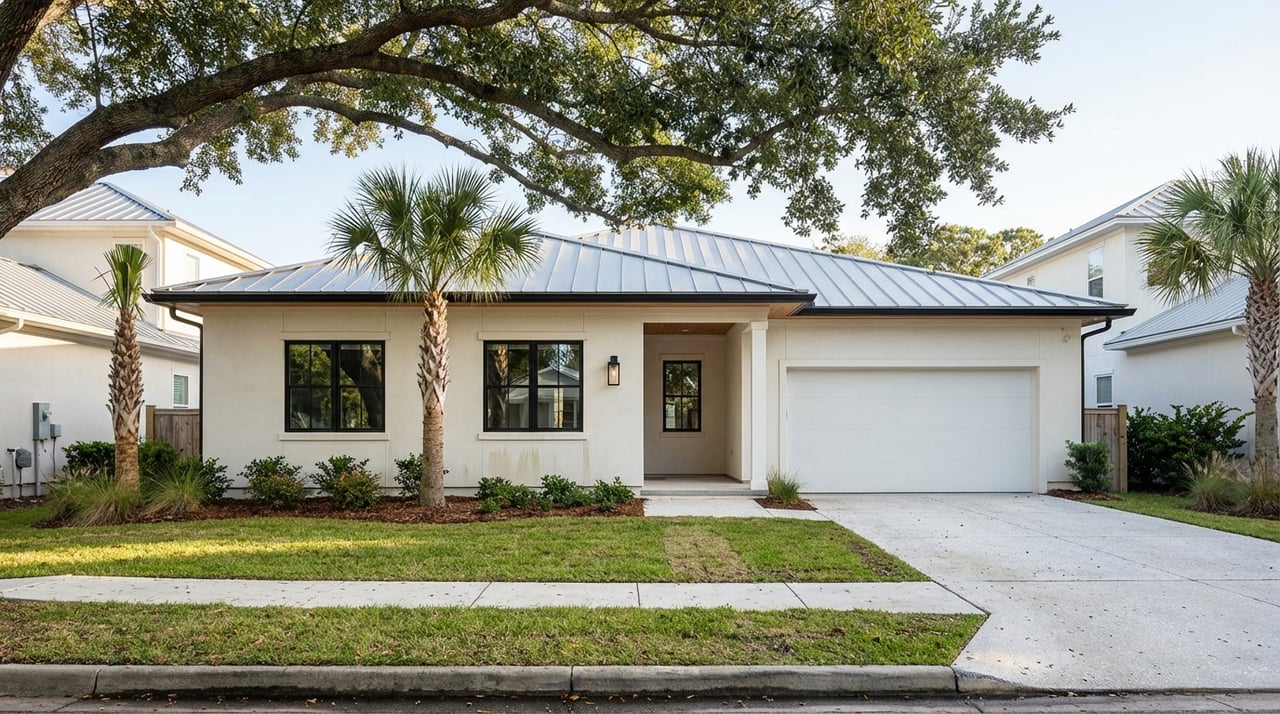
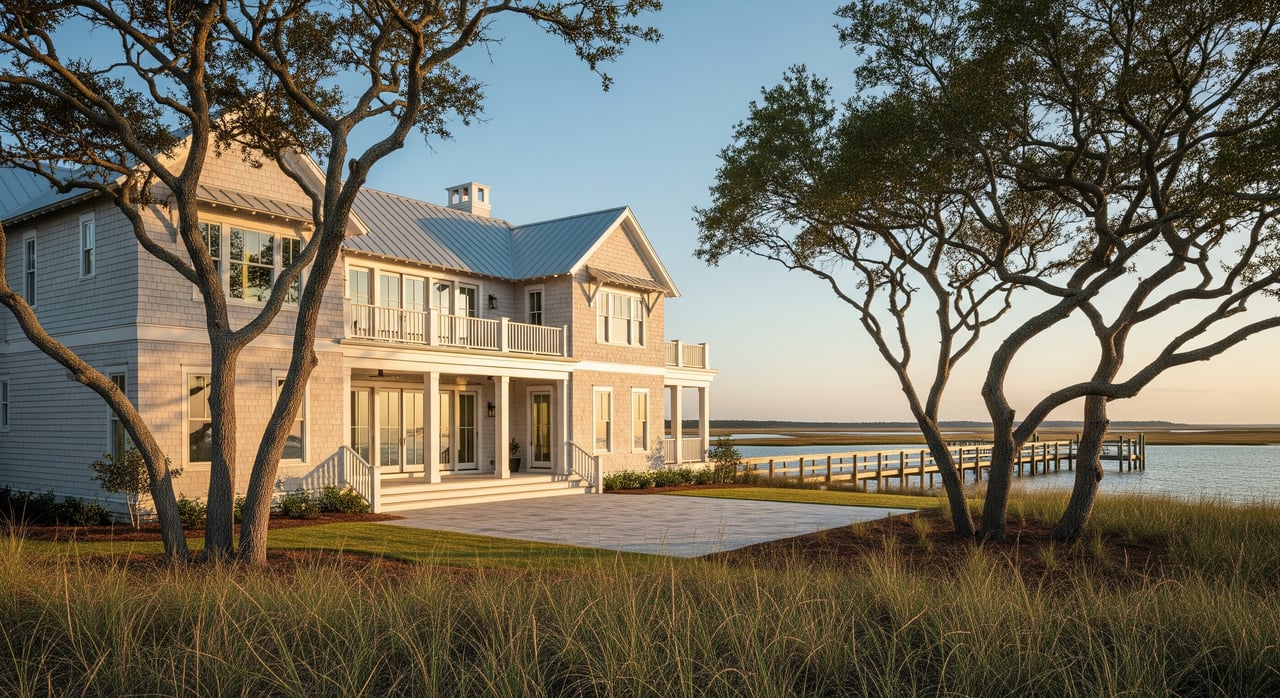
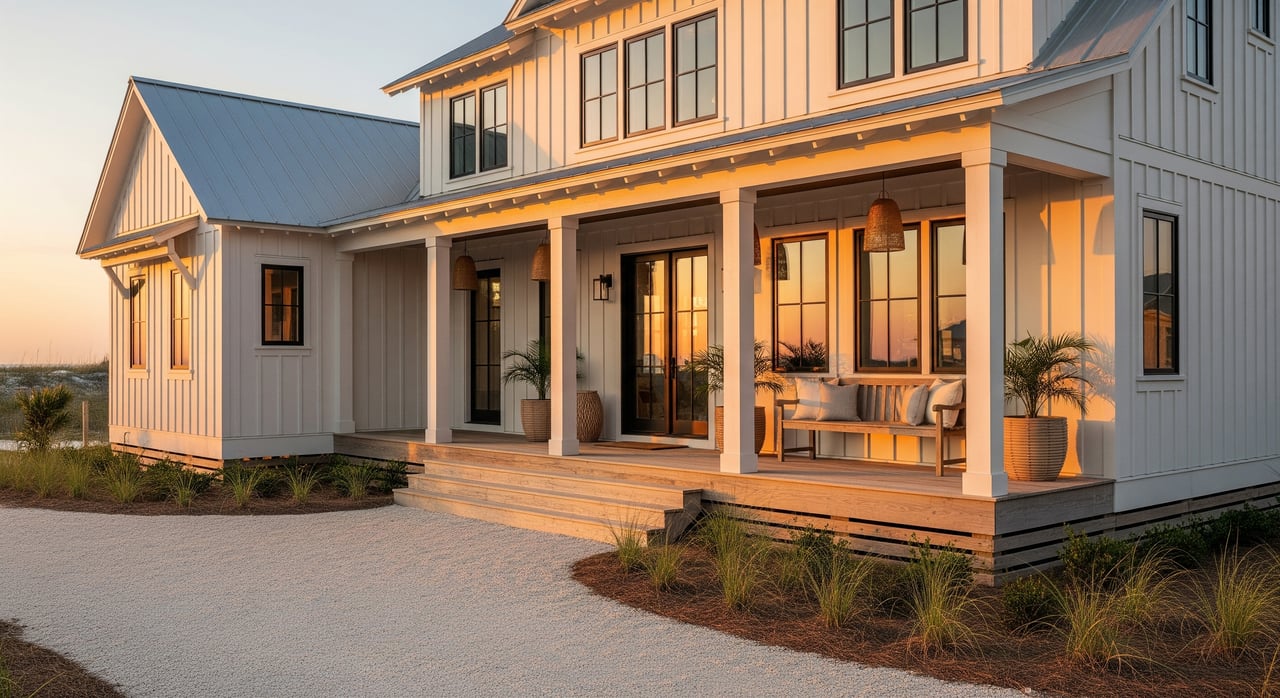
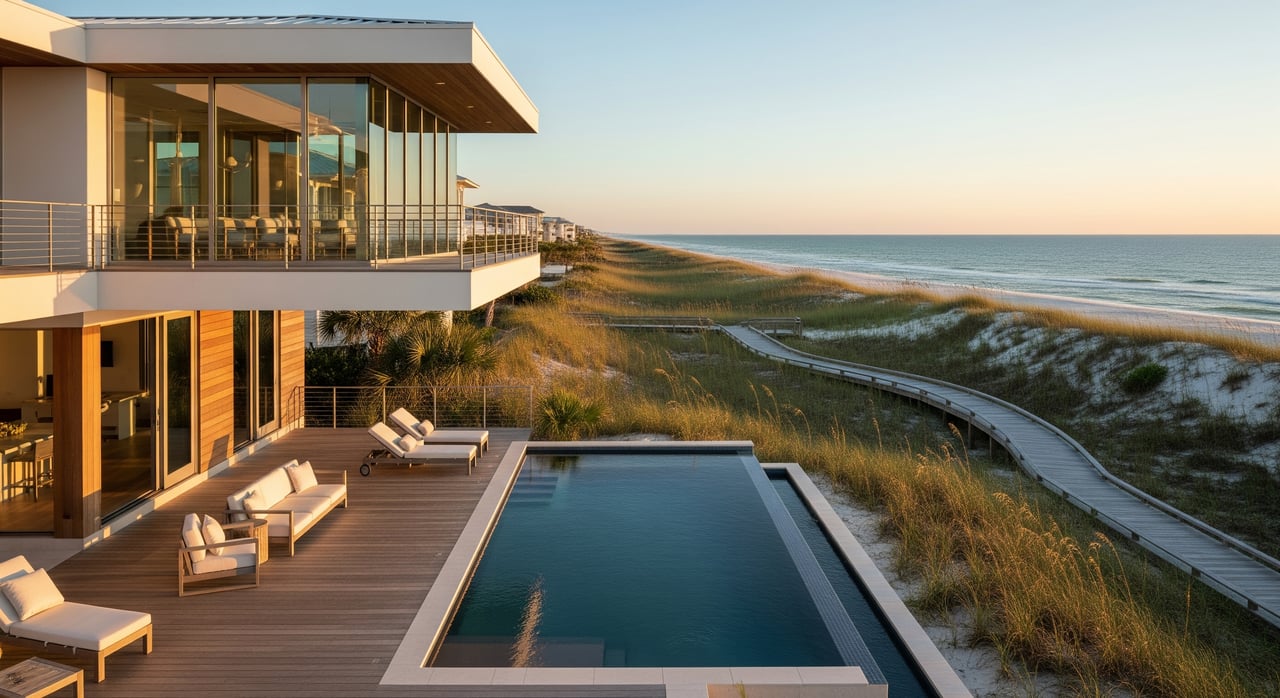
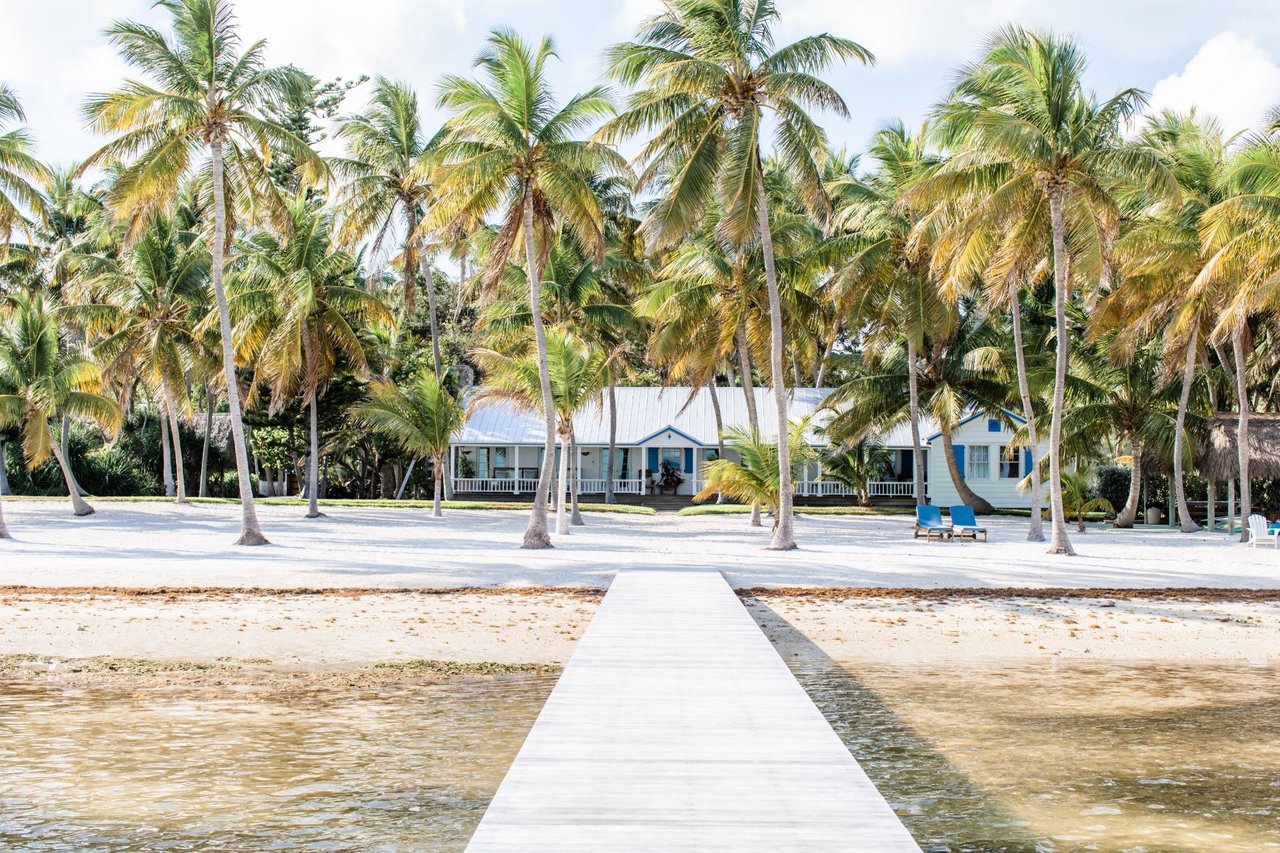
One of WaterColor’s strongest selling points is how intentional it feels. The community’s Design Review Board requires review for new construction and exterior changes, and the published guidelines emphasize Southern wood-house architecture, full front porches, vertically proportioned windows, restrained detailing, and native or approved landscaping.
For you as a buyer, that means the neighborhood tends to feel visually consistent and well maintained. It also means there are more design controls than you may find in a less regulated 30A area, which can be a positive if you value a cohesive look and a carefully managed setting.
The day-to-day experience also leans heavily toward walking and biking. The HOA describes tree-lined streets, walkways, trolley use, and rules that support bike and pedestrian circulation, helping create a quieter, resort-residential atmosphere.
Amenities That Shape Daily Life
WaterColor’s amenities are a major reason buyers focus on this community. It is not simply about being close to the beach. It is about having access to a full lifestyle package that supports both everyday use and vacation-oriented ownership.
Beach Club Access
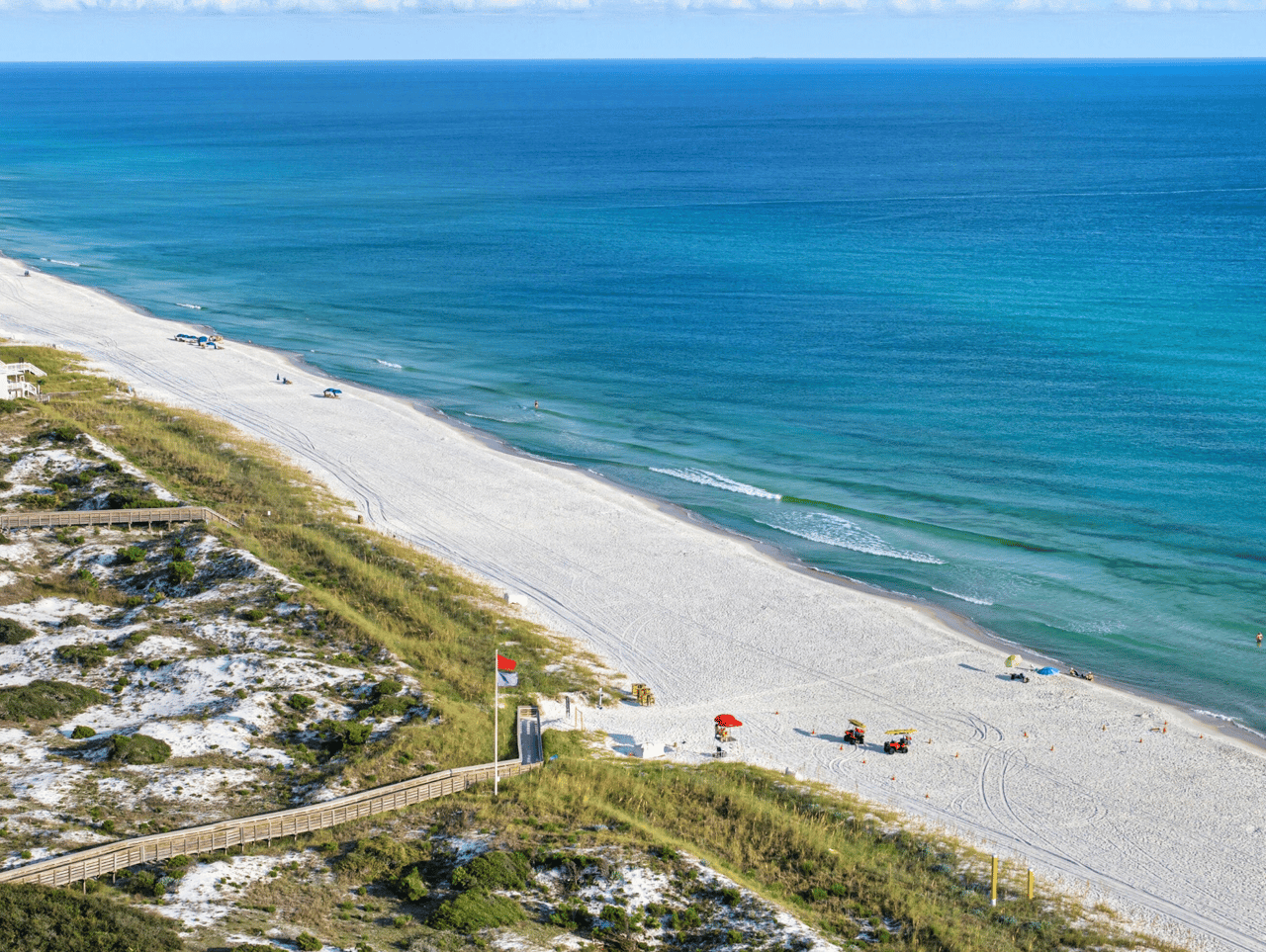
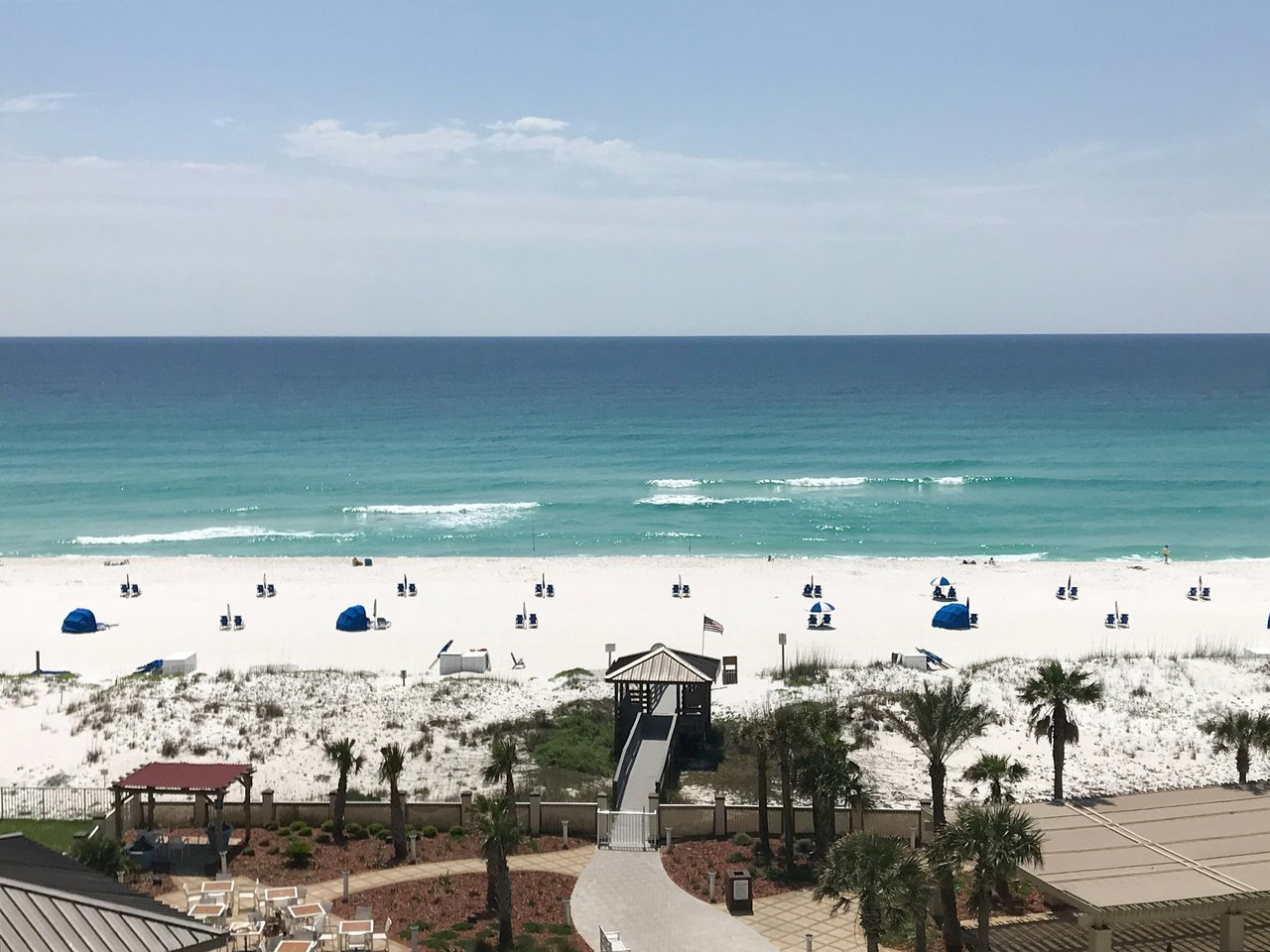
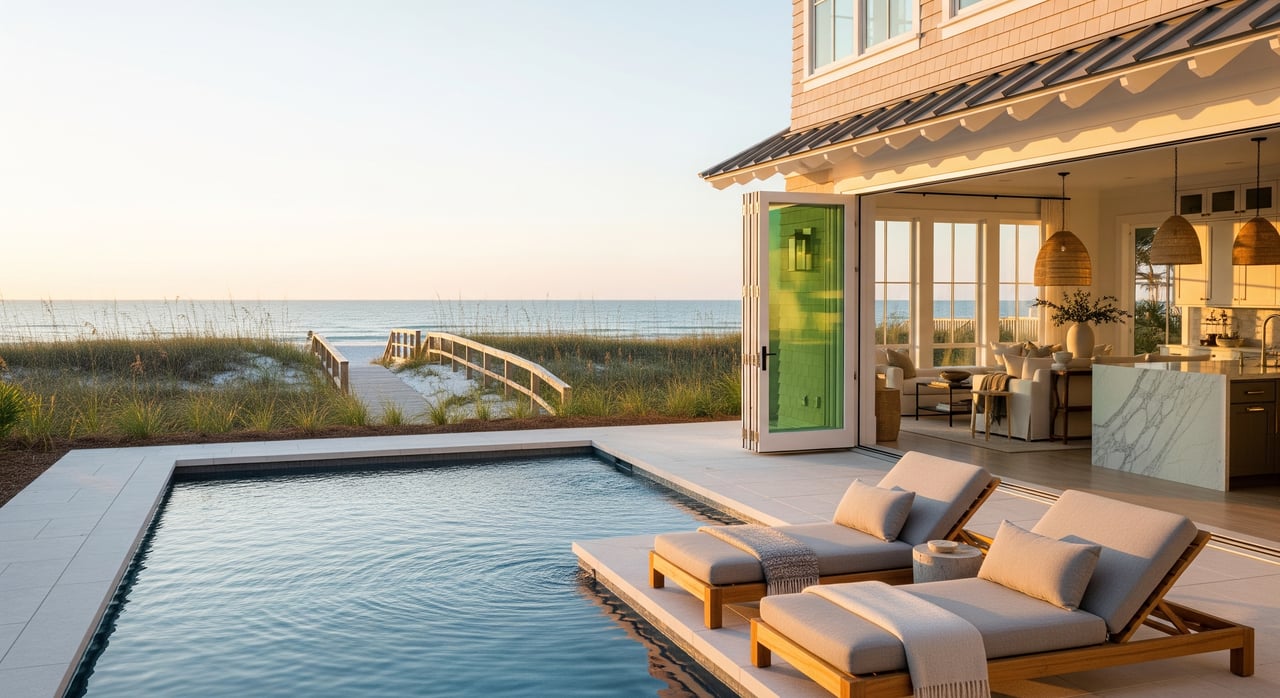
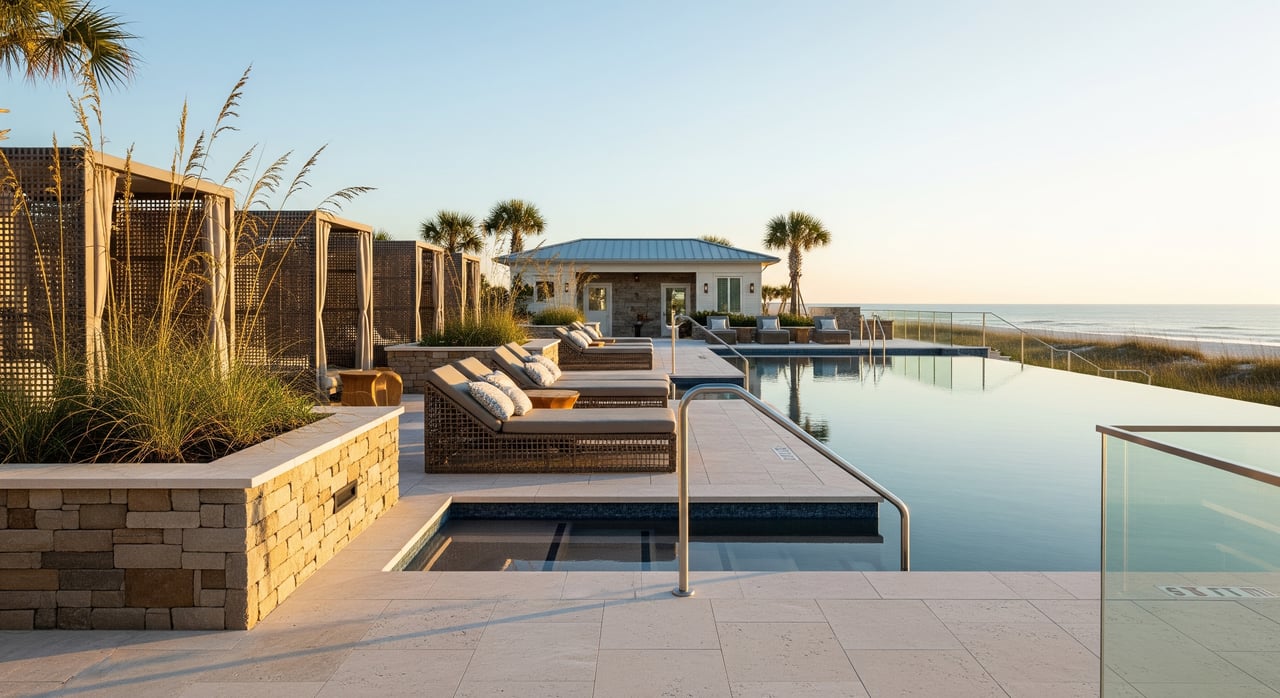
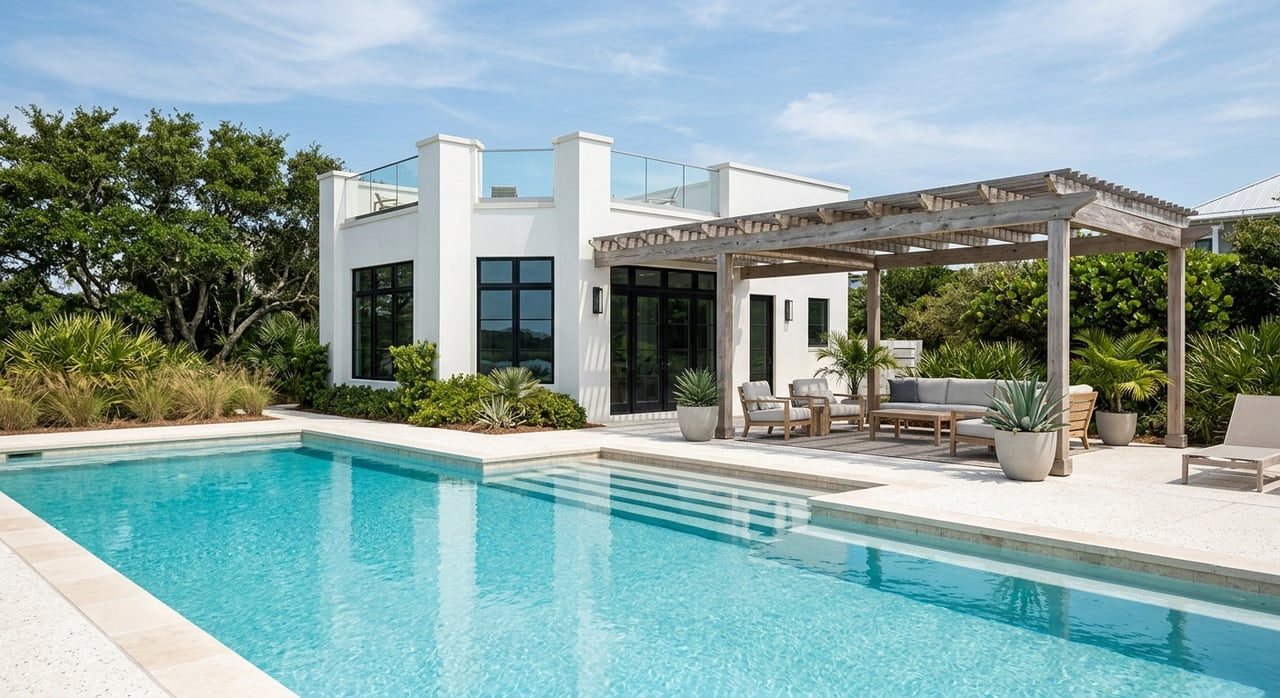
The WaterColor visitor amenity page says the Beach Club is the only beachfront clubhouse pool available to rental guests along 30A. The Beach Club includes three pools, expanded seating, lounge areas, food and beverage service, towel service, cabanas, and resort beach-chair setups.
That is a meaningful distinction if you are considering a second home or a property that may be used for guest stays. The same source also notes that Beach Club access requires wristbands, with homeowners receiving earlier access than rental guests.
Camp WaterColor
Camp WaterColor is another standout amenity, especially for buyers who want a community with broad recreational appeal. The HOA describes two pools plus a lazy river, slides, lifeguards, and on-site dining.
This helps explain why WaterColor often appeals to buyers who want more than a quiet beach address. It offers a built-in resort experience that can shape how you use the property throughout the year.
Pools, Tennis, and Paddleboarding
According to the community pools page, WaterColor has ten community pools total, including the Beach Club and Camp WaterColor pools. Several are heated seasonally to about 82 degrees.
The community also offers a tennis center with five Har-Tru clay courts and two pickleball courts, based on HOA amenity information. For outdoor recreation beyond the pool deck, the Boathouse Paddle Club on Western Lake adds another layer of lifestyle value, with paddling and fitness tied to one of South Walton’s coastal dune lakes.
Is WaterColor a Primary or Second-Home Community?
This is one of the most common buyer questions, and the best answer is that WaterColor includes both. The community clearly supports owner use and short-term guest stays, with HOA systems for rental guest wristbands and a short-term rental portal.
Based on those published systems and the way the community is structured, WaterColor is best understood as a hybrid ownership environment. You will find full-time residents and second-home owners here, but the overall setup leans more toward vacation and second-home ownership than a purely primary-residence neighborhood.
If you are shopping for a home that can support personal use while still fitting into a highly amenitized 30A setting, that matters. It affects everything from the rhythm of the neighborhood to how ownership may feel during peak travel seasons.
How WaterColor Compares on 30A
Many buyers narrow their search to WaterColor, Seaside, and Seagrove because they are close together but feel very different. Lifestyle fit matters just as much as floor plan or lot size when you are choosing between them.
WaterColor vs. Seaside
According to Seaside’s official history page, Seaside was developed as the world’s first New Urbanist town. It is known for its town square, walkable layout, brick-paved roads, white-sand footpaths, and mix of shopping and dining near residences.
For you as a buyer, Seaside may feel more compact and town-centered, while WaterColor feels more resort-oriented and amenity-driven. Seaside is often associated with its iconic planning pedigree, while WaterColor is more focused on private community amenities and a structured residential experience.
WaterColor vs. Seagrove
Visit South Walton’s neighborhood guide describes Seagrove as an area with green canopy, older beach homesteads, newer cottages, and a more laid-back, natural vibe. That gives it a looser and more eclectic feel than WaterColor.
If WaterColor feels curated and highly managed, Seagrove tends to feel more varied in housing stock and more organic in character. Buyers who want consistency and amenity access often prefer WaterColor, while buyers who want a broader mix of homes and a less programmed setting may also consider Seagrove.
Quick Lifestyle Comparison
Here is a simple way to think about the three:
- WaterColor: Resort-residential, amenity-rich, highly curated
- Seaside: Iconic, walkable, town-centered
- Seagrove: Relaxed, eclectic, naturally varied
That framing is useful because it keeps your search focused on daily experience, not just price or map location.
What Price Range Should You Expect?
WaterColor is typically viewed as part of the luxury tier on 30A. Recent listing examples in the research set included a WaterColor townhome listed at $1.735 million and a Gulf-front WaterColor home listed at $4.85 million.
For nearby context, recent examples cited in Seaside included homes around $5.75 million and $6.08 million, while Seagrove examples ranged from about $2.8 million to $5.8 million. These are only sample listings, but they show why WaterColor is usually discussed as a luxury micro-market rather than an entry-level option along 30A.
For broader ZIP code context, a Redfin snapshot for 32459 showed a $1.1 million median sale price in February 2026. That figure blends multiple submarkets and property types, so it is best used as a wide market reference rather than a WaterColor-specific benchmark.
Who WaterColor Fits Best
WaterColor may be a strong fit if you want:
- A luxury 30A community with a polished, consistent look
- Strong amenity access beyond simple beach proximity
- A setting built around biking, walking, and managed community spaces
- A home that works as a second home, vacation property, or lifestyle purchase
- A neighborhood atmosphere that feels structured and resort-oriented
It may be less ideal if you prefer a more eclectic streetscape, fewer design controls, or a less programmed ownership environment.
What to Watch as a Buyer
When you look at homes in WaterColor, it helps to think beyond finishes and square footage. The real value proposition here is the combination of architectural controls, community planning, and amenity access.
As you evaluate options, focus on questions like:
- How important are Beach Club and Camp WaterColor access to you?
- Do you want a community that supports second-home and guest-oriented ownership?
- Are design rules and HOA oversight a benefit for your goals?
- Do you prefer a resort-residential setting over a more flexible neighborhood feel?
Those questions can quickly tell you whether WaterColor is the right fit for your lifestyle and purchase strategy.
Final Thoughts on Buying in WaterColor
WaterColor stands out on 30A because it delivers more than location. It combines beach proximity with a highly managed environment, a strong amenity package, and a neighborhood design that feels intentional from the streetscape to the shared spaces.
If you are deciding between WaterColor, Seaside, or Seagrove, the right choice often comes down to how you want the area to feel when you are actually there. If you want clear guidance on available homes, pricing, and how WaterColor fits into your wider 30A search, Steve Philpot can help you navigate the options with local insight and a high-touch approach.
FAQs
What is WaterColor in Santa Rosa Beach, Florida?
- WaterColor is a master-planned beach community in Walton County along Scenic Highway 30A, spanning 499 acres with about 1,021 completed homes according to the WaterColor HOA.
What amenities does WaterColor offer homeowners and guests?
- WaterColor offers the Beach Club, Camp WaterColor, ten community pools, tennis courts, pickleball courts, and access to paddling on Western Lake, with some amenities requiring wristbands.
Is WaterColor mainly for full-time residents or second-home owners?
- WaterColor includes both full-time residents and second-home owners, but its published rental systems and amenity structure suggest a strong second-home and vacation-use component.
How does WaterColor compare with Seaside on 30A?
- WaterColor is generally more resort-amenity-driven, while Seaside is more town-centered and known for its New Urbanist layout, shopping, and iconic planning history.
How does WaterColor compare with Seagrove on 30A?
- WaterColor feels more curated and highly managed, while Seagrove is typically described as more laid-back, eclectic, and naturally varied in housing stock.
Is WaterColor considered a luxury market on 30A?
- Yes. Recent example listings in the research show WaterColor homes ranging from about $1.735 million to $4.85 million, placing it firmly in the luxury tier for many buyers.