If you are looking at Blue Mountain Beach as a short-term rental play, the big question is simple: will demand support your numbers? In this part of South Walton, the answer starts with understanding what draws guests here, when they travel, and how Walton County regulates vacation rentals. This guide will help you think through rental demand, seasonality, rates, and investor strategy so you can make a more informed move. Let’s dive in.
Blue Mountain Beach demand starts with 30A appeal
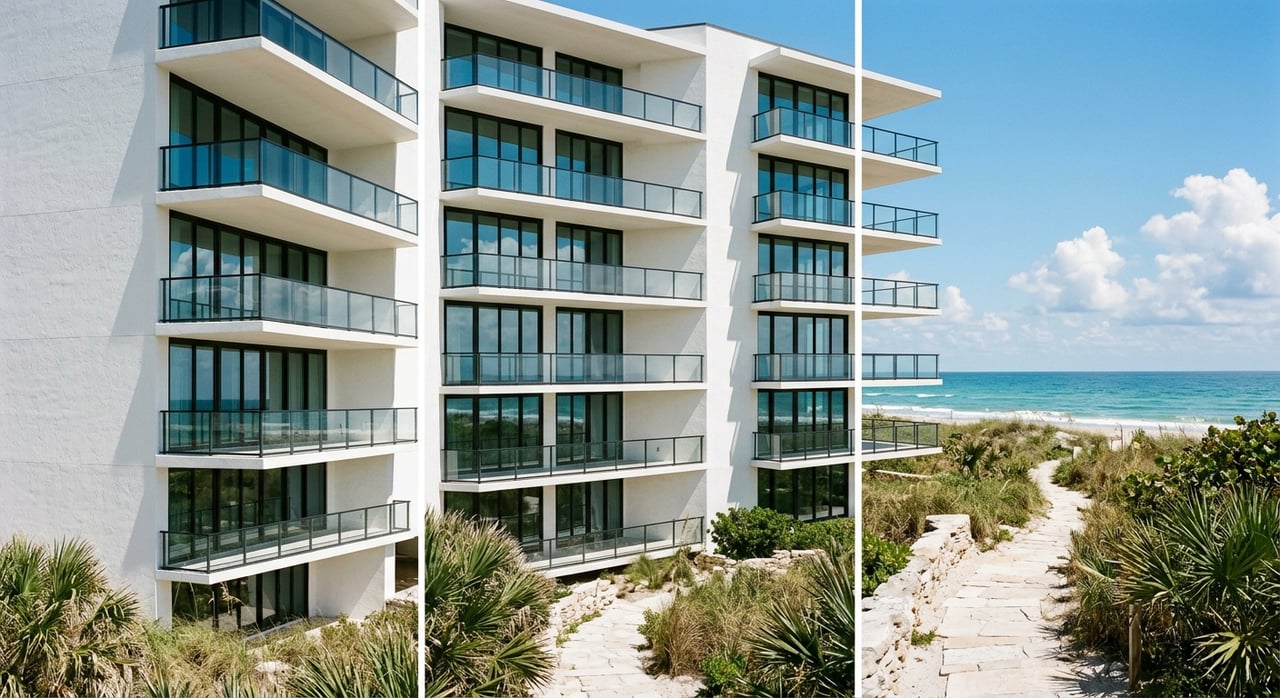
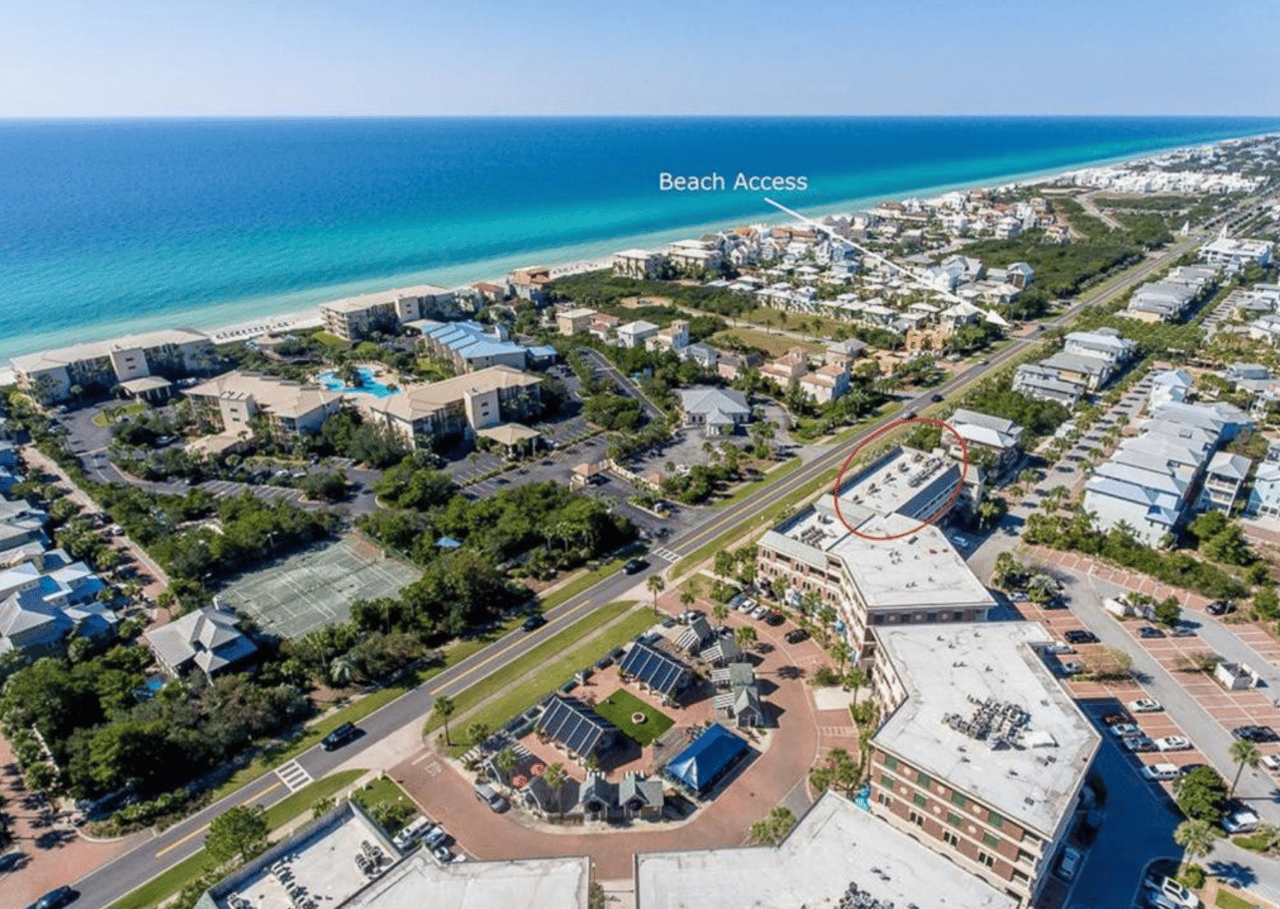
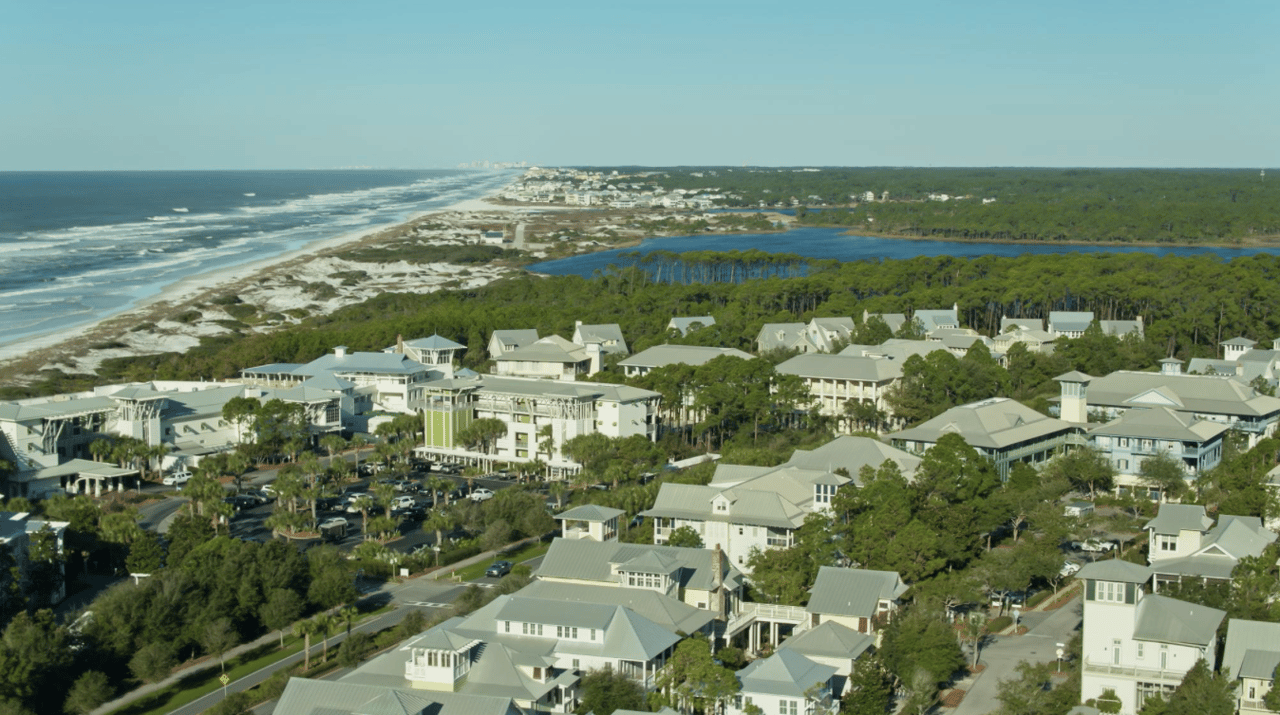
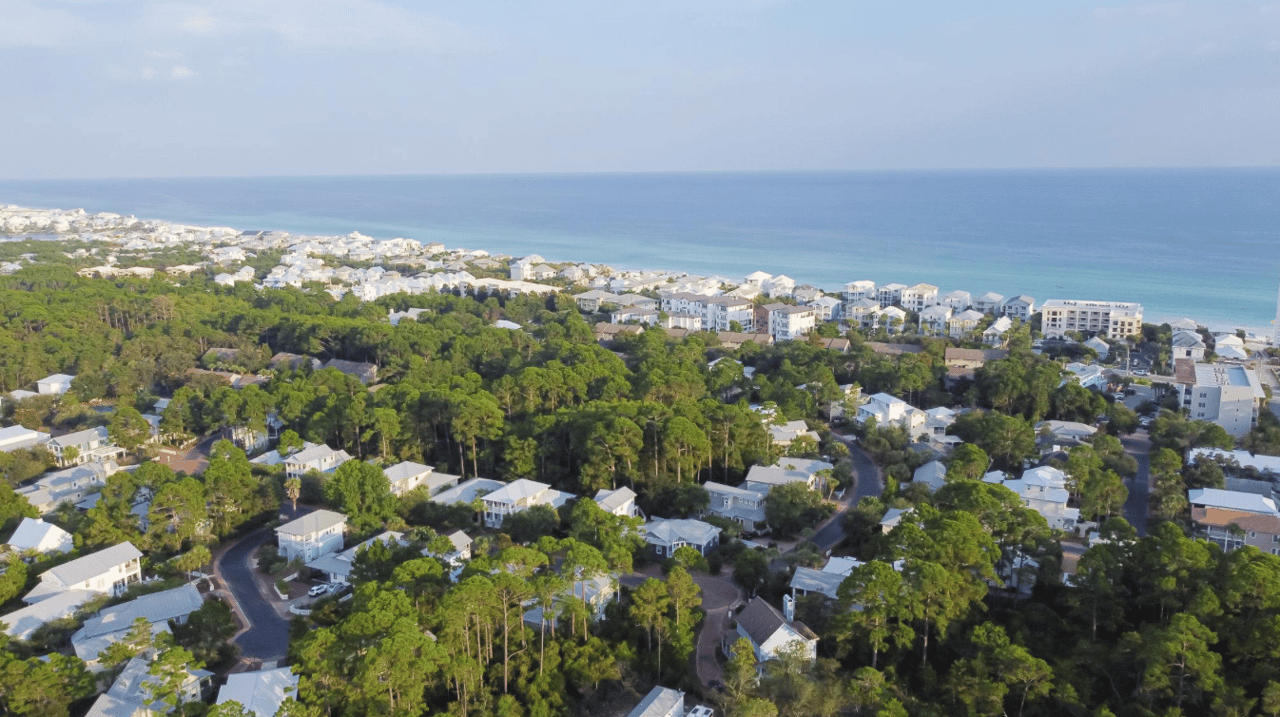
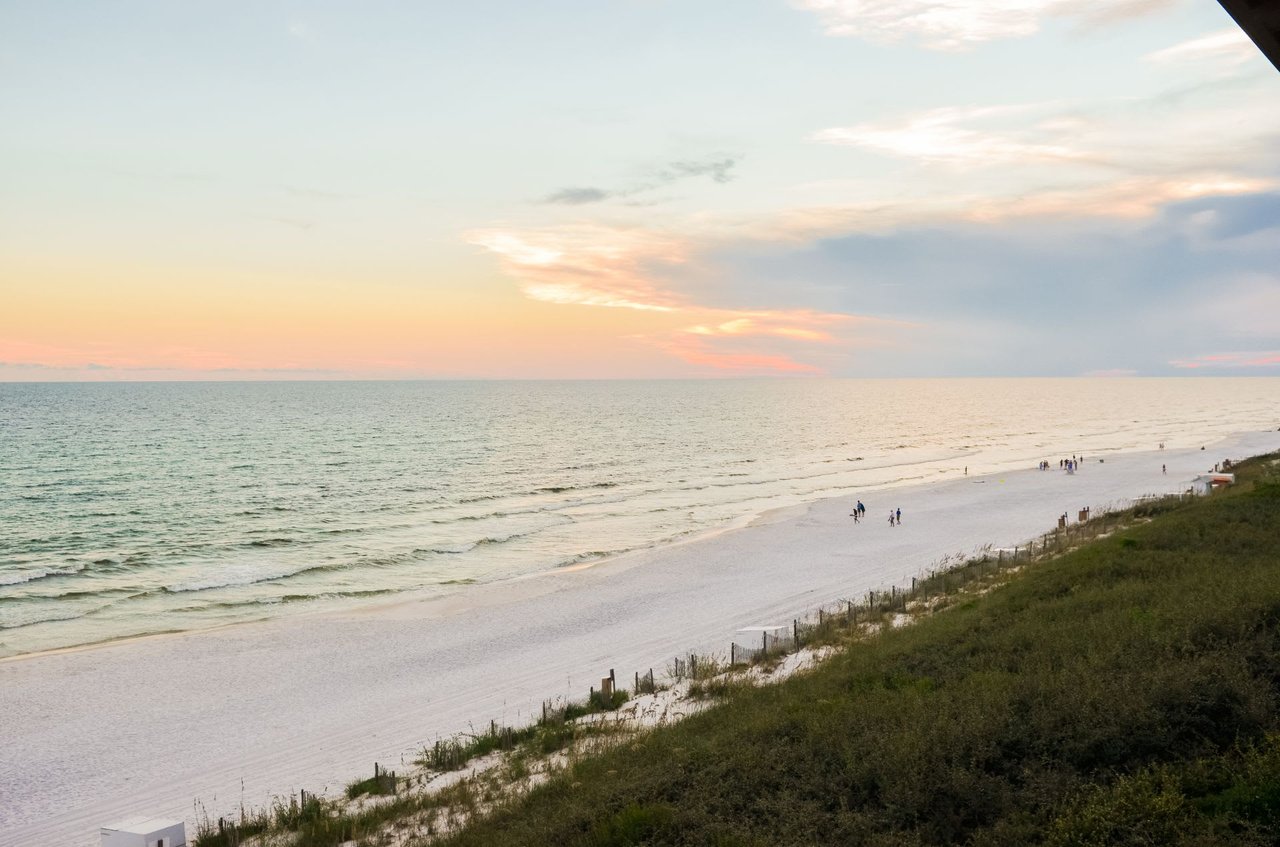
Blue Mountain Beach sits within South Walton along Scenic Highway 30A and County Highway 83. It is known for a more laid-back, outdoor-focused setting, with close access to the beach, a coastal dune lake, and the Timpoochee Trail.
That matters because guests often choose 30A for a specific lifestyle, not just a place to sleep. Blue Mountain Beach fits buyers who want a quieter residential feel with strong access to the experiences people already come to Walton County for.
Why visitors choose Blue Mountain Beach
Blue Mountain Beach has a natural, easygoing identity that appeals to repeat visitors and family groups. Visit South Walton highlights the area’s beach access, outdoor recreation, dining, paddling, biking, and relaxed atmosphere.
For an investor, that creates a clearer guest profile. This is not a market built only on resort programming or dense commercial activity. It is a market where convenience, beach time, and outdoor use help drive bookings.
Beach access supports guest appeal
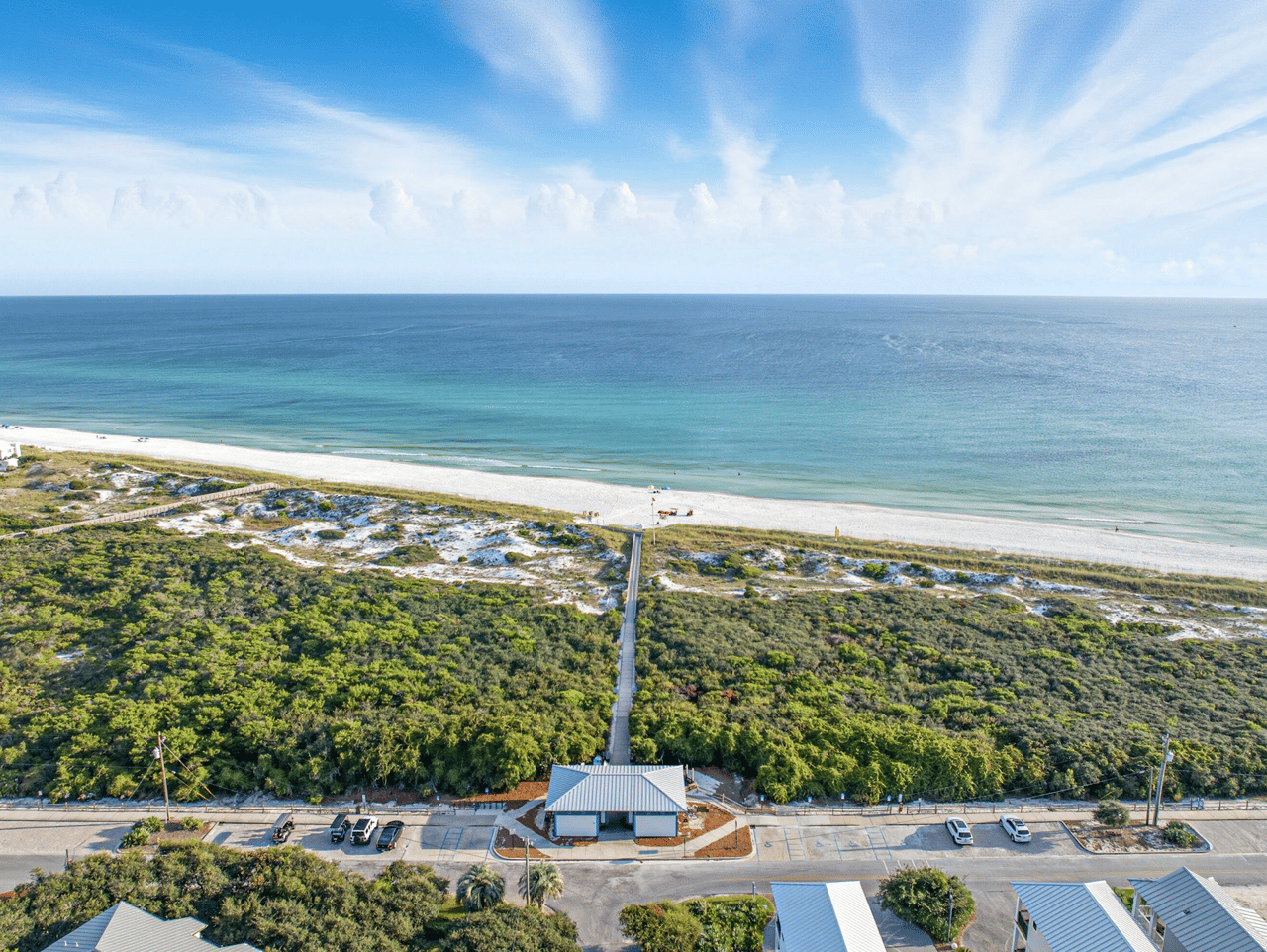
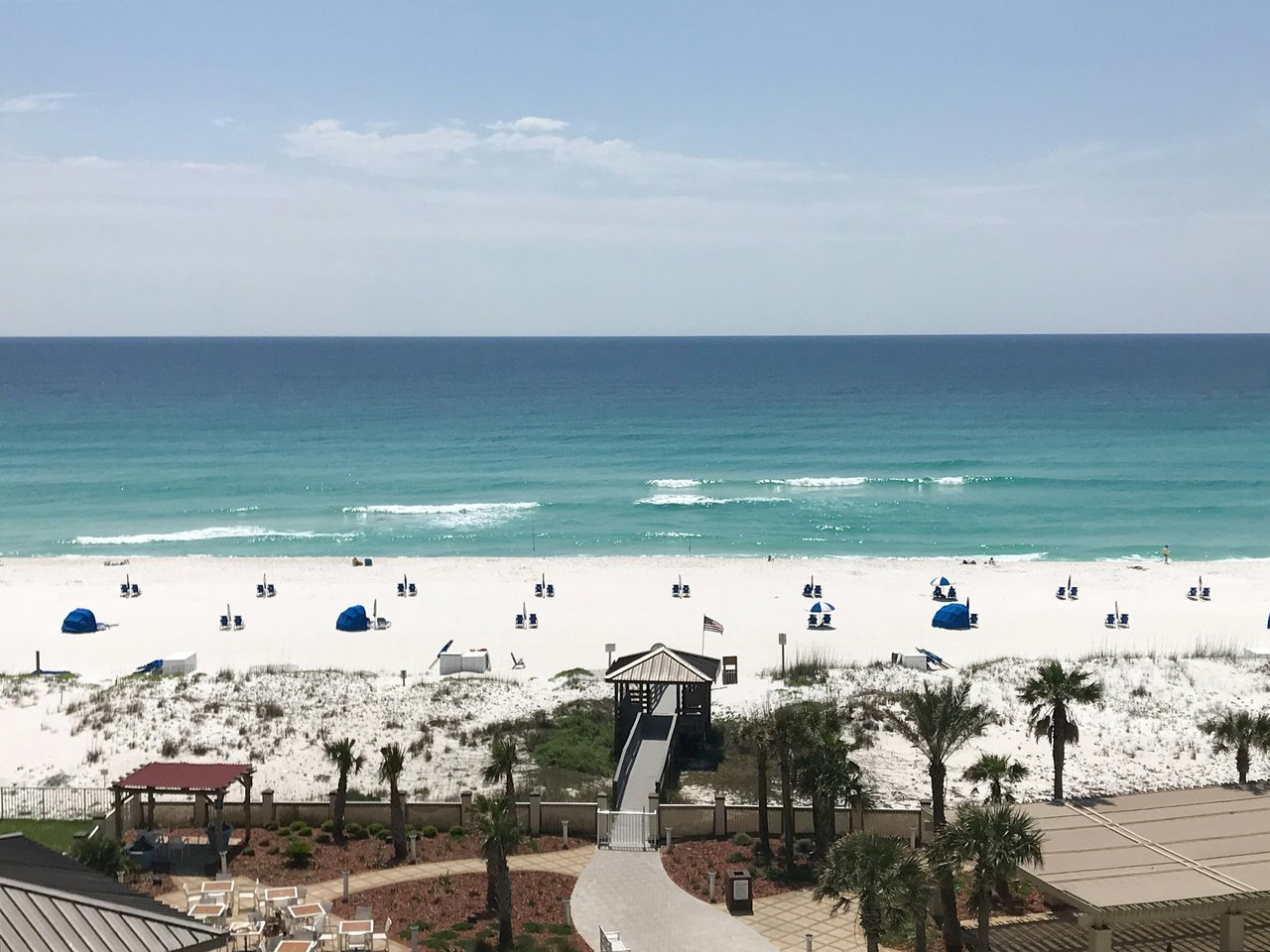
Blue Mountain Regional Beach Access includes seasonal lifeguards, restrooms, parking, ADA parking and restrooms, a water fountain, and vendor-managed service. The county beach parking guide lists 20 spaces at this access point, and Visit South Walton notes there are two public beach accesses in the neighborhood.
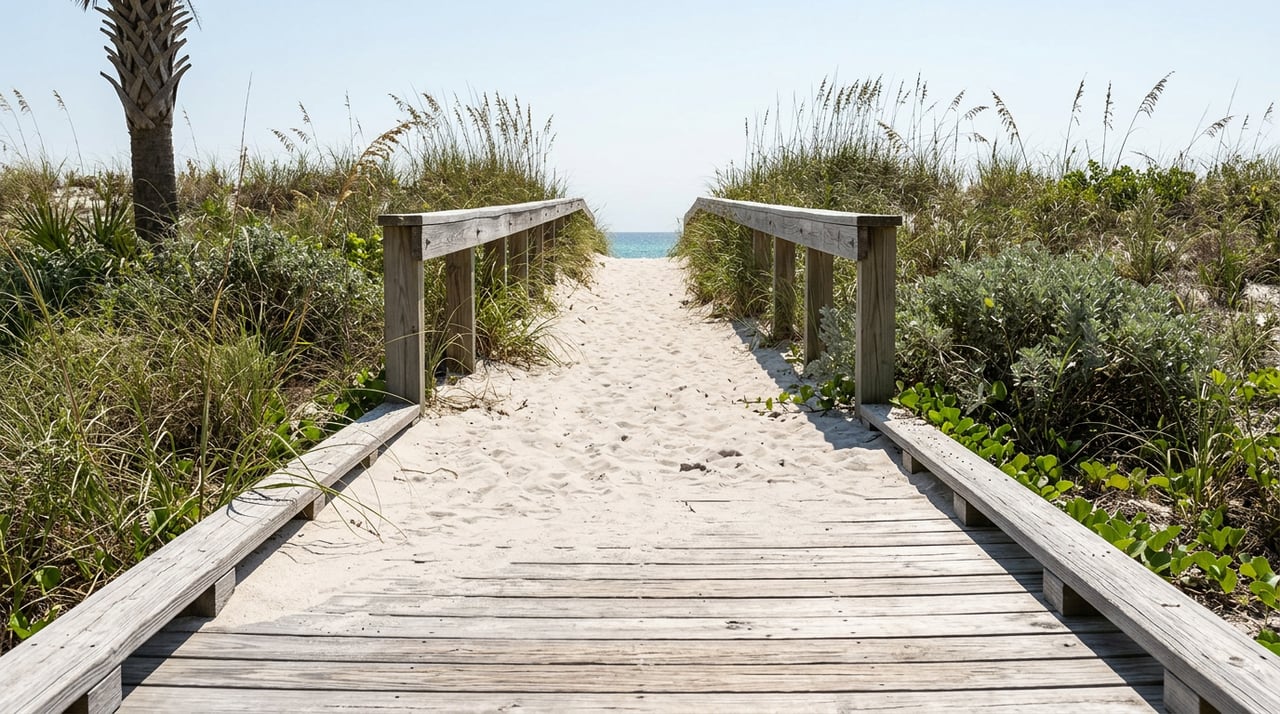
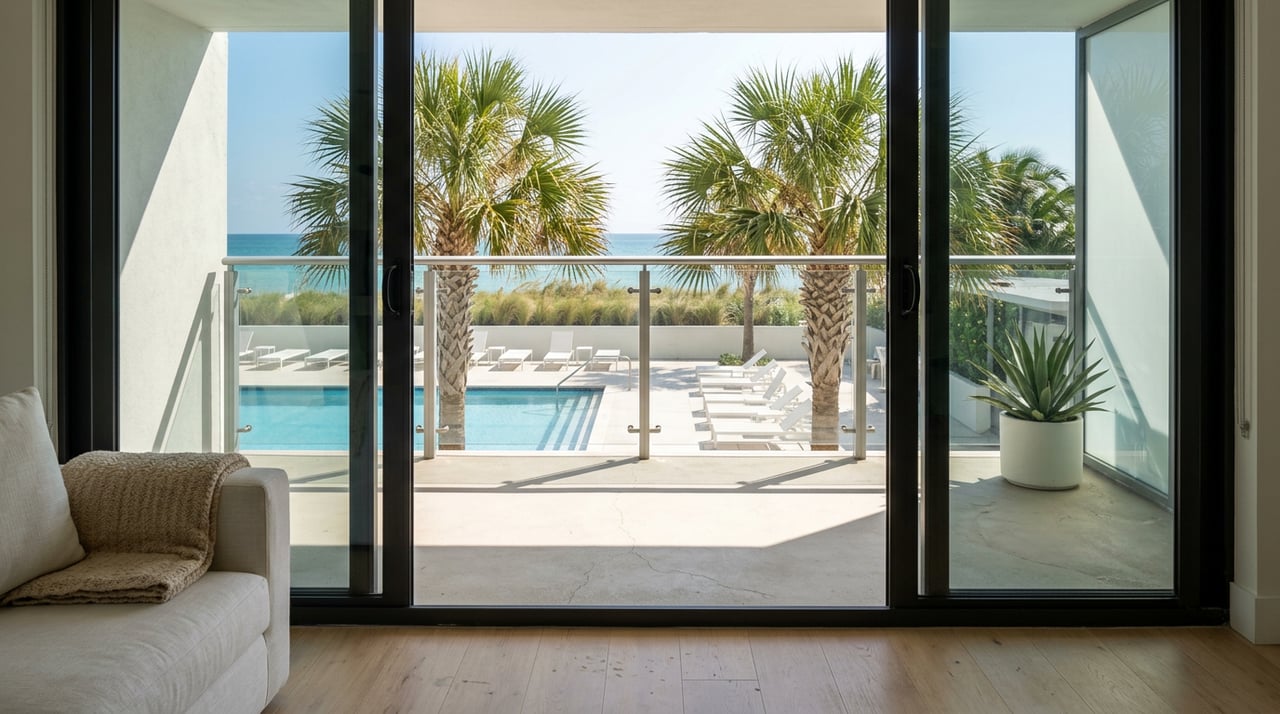
That level of public access matters when guests compare areas. Easy beach entry and usable amenities can make a rental more attractive, especially for visitors traveling with children or larger groups.
Outdoor amenities match visitor behavior
The area’s location near the Timpoochee Trail and a coastal dune lake lines up well with what Walton County visitors say they do on vacation. In summer 2024, top activities included the beach, restaurants, relaxation, shopping, and biking or running.
When a destination’s built-in amenities match actual guest behavior, it supports more consistent demand. In Blue Mountain Beach, the local setting naturally fits how many visitors already spend their time.
Walton County tourism data shows strong rental demand
The strongest proof of demand comes from Walton County’s 2024 visitor studies. Summer 2024 brought 2,056,800 visitors, 1,283,400 room nights, and $1,663,697,800 in direct spending.
Summer lodging performance was also strong, with 68.1% occupancy, a $504.21 average daily rate, and $343.37 RevPAR. For investors, that shows how powerful peak season can be when you underwrite a Blue Mountain Beach vacation rental.
Spring is active, but softer than summer
Spring 2024 was still solid, with 1,331,700 visitors, 1,028,400 room nights, and $1,157,388,200 in direct spending. Lodging performance came in at 55.2% occupancy, a $376.29 ADR, and $207.71 RevPAR.
The takeaway is clear: demand does not disappear outside summer, but income potential changes meaningfully by season. Your projections should reflect a seasonal curve rather than a flat year-round income model.
The typical guest profile matters for investors
Walton County’s summer visitor study paints a useful picture of who is coming. The typical summer visitor age was 53, median household income was $144,400, average travel party size was 5.3 people, and 61% traveled with at least one person under age 20.
That points to a family-heavy, higher-income visitor base. If you are choosing between property types, layouts that work well for group stays and family travel may fit the market better than units built around a couple-only luxury experience.
Repeat and planned travel can help booking stability
Booking behavior is another strong signal. In summer 2024, nearly 7 in 10 visitors planned at least three months ahead, the average planning cycle began 104 days before arrival, and 51% used a vacation-rental website to plan.
Spring showed similar patterns, with nearly 2 in 3 visitors planning at least three months out and an average planning cycle of 99 days. That suggests a market where early exposure, strong presentation, and advance calendar management can matter.
Drive-to access broadens the buyer case
Walton County reported that 75% of summer visitors drove to the area. For Blue Mountain Beach owners, that supports the idea of a regional drive market with repeat-use potential rather than relying only on fly-in tourism.
That can be helpful for both investors and hybrid owners. A property that is easy for you or your guests to reach by car often has broader practical appeal.
How Blue Mountain Beach compares within 30A
In the broader 30A and nearby coastal market, occupancy can be fairly similar across communities while nightly rates vary much more. AirDNA public market pages show Santa Rosa Beach at 55% occupancy and a $683.90 ADR, Miramar Beach at 56% occupancy and a $419.50 ADR, and Rosemary Beach at 55% occupancy and a $751.80 ADR.
The practical lesson is that not every market wins by pushing for the highest possible nightly rate. Positioning, guest expectations, public access, and neighborhood identity all shape what a property can realistically command.
Blue Mountain Beach likely sits in a middle lane
Blue Mountain Beach is generally branded as laid-back, family-oriented, and outdoor-centered rather than ultra-exclusive. Based on that market identity, it likely aligns more closely with the broader Santa Rosa Beach middle than with the luxury-rate ceiling seen in more exclusive enclaves.
That is not a negative. It can mean a more balanced use case for buyers who want personal enjoyment, strong seasonal income, and a guest base that matches the area’s natural appeal.
Access can influence rate ceilings
Beach access and parking vary across the 30A corridor. Blue Mountain’s regional beach access has 20 parking spaces, which is far smaller than Miramar Beach’s 200-space access, while some high-end communities have little or no public beach access listed in county materials.
These differences help explain why guest appeal and pricing can vary so much by area. In practical terms, access is part of the investment story, not just a lifestyle perk.
Best investor strategies for Blue Mountain Beach
The right strategy depends on your goals, timeline, and tolerance for seasonality. Based on the county data and Blue Mountain Beach’s identity, three approaches stand out.
Cash-flow strategy
If your main goal is rental income, underwrite conservatively and build around peak and shoulder seasons. Summer is clearly stronger than spring on occupancy, ADR, and RevPAR, so your model should account for fluctuations rather than assume steady monthly performance.
This approach works best when you stay focused on realistic revenue expectations, carrying costs, and local compliance requirements. In Blue Mountain Beach, the demand is real, but it is seasonal.
Hybrid personal-use strategy
For many buyers, this may be the most natural fit. Blue Mountain Beach attracts family-oriented and outdoor-minded visitors, which supports a second-home model where you enjoy the property during select weeks and rent it during high-demand windows.
That strategy can make sense if you value both lifestyle and income. It also fits a market where guests plan well in advance and many trips center around family vacations and relaxation.
Long-term value strategy
A longer-term investor may focus less on maximizing every booked night and more on holding in a corridor with persistent demand. Walton County says tourism generated nearly $5 billion in economic impact in 2024, including more than $4 billion in direct visitor spending.
The county also reports more than $76 million spent on access and parking projects since 2016. That kind of infrastructure investment supports the broader appeal of the 30A corridor over time, which can strengthen the long-term case for owning in Blue Mountain Beach.
Walton County rules investors need to know
Before you buy, make sure your investment plan includes local compliance. Walton County states that short-term rental stays of six months or less are subject to a 5% tourist development tax south of the Choctawhatchee Bay.
The county also notes that its tourism department does not collect that tax for owners through Airbnb or VRBO. That means the owner or manager remains responsible for remittance.
Vacation rental registration is required
Walton County requires annual registration through its Vacation Rental Registration Program. The county lists initial and annual registration fees of $300 per property for individual registrations and $227 per property for community registrations.
Operating without registration can trigger a $500 per day penalty. Walton County also lists a Florida DBPR vacation rental dwelling license and Florida Department of Revenue registration as prerequisites.
Regulations should be part of your underwriting
This is where many investors get too optimistic. Income projections are important, but so are registration costs, taxes, licensing steps, and the practical realities of operating in compliance with county requirements.
If you build these items into your plan from the start, you can evaluate opportunities more accurately. That is especially important in a market where seasonality already plays a major role in annual performance.
What to look for in a Blue Mountain Beach investment
When you evaluate a property here, focus on the traits that match actual visitor demand. That usually means looking closely at beach access, convenience to 30A, layout for group stays, and the ease of enjoying the area’s outdoor features.
You should also think about how the property fits your intended strategy. A home for hybrid use may not be the same property you would choose for a pure cash-flow model.
A practical checklist for buyers
- Confirm the property’s access to Blue Mountain Beach amenities and main travel routes.
- Review whether the layout fits family groups and average party sizes.
- Underwrite summer and spring separately instead of using one flat annual assumption.
- Account for registration fees, taxes, and licensing requirements.
- Compare the property’s positioning to the broader Santa Rosa Beach and 30A market, not just the highest-priced enclaves.
- Decide early whether your goal is cash flow, personal use plus income, or long-term hold value.
Blue Mountain Beach can be a compelling place to invest, but the best opportunities usually come from matching the property to the right strategy. If you stay grounded in local demand patterns and county rules, you can approach this market with much more confidence.
If you are thinking about buying a vacation rental or second home in Blue Mountain Beach, working with a local advisor can help you weigh income potential, lifestyle fit, and market positioning. Connect with Steve Philpot for guidance tailored to your goals along 30A and the Emerald Coast.
FAQs
What drives rental demand in Blue Mountain Beach, Florida?
- Rental demand in Blue Mountain Beach is supported by Walton County’s strong tourism numbers, 30A’s regional appeal, beach access, outdoor recreation, and a visitor base that heavily includes families and repeat leisure travelers.
Is Blue Mountain Beach, Florida seasonal for short-term rentals?
- Yes. Walton County’s 2024 data shows summer performs much more strongly than spring in occupancy, ADR, and RevPAR, so investors should plan for seasonal income swings.
Is Blue Mountain Beach better for cash flow or hybrid use?
- For many buyers, hybrid use is a strong fit because the area’s laid-back, family-oriented appeal works well for owners who want personal use alongside rental income during peak and shoulder seasons.
What taxes apply to short-term rentals in Walton County, Florida?
- Walton County states that short-term rental stays of six months or less south of the Choctawhatchee Bay are subject to a 5% tourist development tax, with remittance responsibility remaining with the owner or manager.
Do you need to register a vacation rental in Walton County, Florida?
- Yes. Walton County requires annual vacation rental registration, and the county lists registration fees, prerequisite state licensing and tax registration, and penalties for operating without registration.
How should you evaluate a Blue Mountain Beach investment property?
- You should look at seasonality, guest fit, beach and 30A access, compliance costs, and whether the property aligns with your intended strategy for cash flow, hybrid use, or long-term hold value.